Viscosity is a fundamental property of gasoline engine oil that plays a pivotal role in ensuring the smooth and efficient operation of engines. As a supplier of high – quality gasoline engine oil, I am often asked about the concept of viscosity and its significance. In this blog, I will delve into the details of what viscosity is, why it matters in gasoline engine oil, and how our products are formulated to meet the diverse viscosity requirements. Gasoline Engine Oil
Understanding Viscosity
Viscosity can be defined as a fluid’s resistance to flow. In simpler terms, it describes how thick or thin a liquid is. A highly viscous fluid, such as honey, flows slowly because its molecules are more strongly attracted to each other and offer more resistance to movement. On the other hand, a low – viscosity fluid, like water, flows easily as its molecules have weaker intermolecular forces and can move more freely.
In the context of gasoline engine oil, viscosity is crucial because it affects how the oil behaves under different operating conditions. When an engine starts, the oil needs to flow quickly to lubricate all the moving parts. If the oil is too viscous, it may not reach critical components in time, leading to increased wear and tear. Conversely, if the oil is too thin, it may not provide sufficient lubrication and protection, especially at high temperatures and under heavy loads.
Viscosity Grades
Engine oil viscosity is typically classified using a grading system developed by the Society of Automotive Engineers (SAE). The SAE viscosity grades are divided into two main categories: winter grades and non – winter (or summer) grades.
Winter grades are denoted by a number followed by the letter "W" (for winter). For example, 0W, 5W, and 10W. The lower the number before the "W", the better the oil’s cold – flow properties. A 0W oil can flow more easily at extremely low temperatures compared to a 10W oil, which means it can quickly reach all parts of the engine during a cold start.
Non – winter grades are represented by a single number, such as 20, 30, 40, and 50. These numbers indicate the oil’s viscosity at normal operating temperatures. A higher number means the oil is more viscous at high temperatures. For instance, a 50 – grade oil is thicker than a 30 – grade oil when the engine is hot.
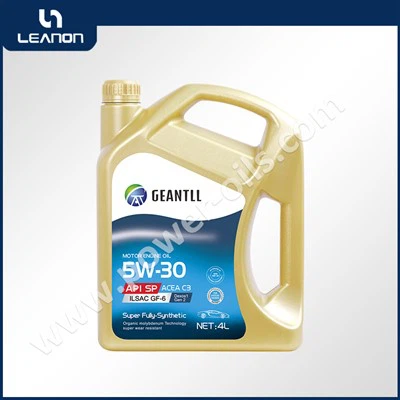
Many modern engine oils are multi – grade oils, which are designed to perform well in both cold and hot conditions. A common multi – grade oil might be labeled as 5W – 30. This means that the oil has the cold – flow properties of a 5W oil and the high – temperature viscosity of a 30 – grade oil.
Importance of Viscosity in Gasoline Engines
Lubrication
One of the primary functions of engine oil is to lubricate the moving parts of the engine. The right viscosity ensures that a thin film of oil is maintained between the metal surfaces, reducing friction and wear. If the oil is too thin, the film may break down, leading to metal – to – metal contact, which can cause excessive wear, overheating, and eventually engine failure. If the oil is too thick, it may not flow properly, and the engine may have to work harder to overcome the resistance, resulting in reduced fuel efficiency.
Heat Dissipation
Engine oil also helps in dissipating heat generated during the combustion process. A properly viscous oil can carry heat away from the hot engine components and transfer it to the oil cooler or the engine’s cooling system. If the oil is too thin, it may not be able to hold enough heat, and the engine may overheat. A thick oil, on the other hand, may not flow efficiently to carry the heat away effectively.
Seal Protection
Engine oil helps to maintain the integrity of engine seals. A viscous oil can form a better seal around pistons and other moving parts, preventing oil leaks and the entry of contaminants into the engine. If the oil is too thin, it may seep past the seals, leading to oil loss and potential damage to the engine.
Our Gasoline Engine Oil Viscosity Solutions
As a gasoline engine oil supplier, we understand the importance of providing the right viscosity products for different engines and operating conditions. We offer a wide range of engine oils with various viscosity grades to meet the needs of different vehicles and applications.
Our 0W – 20 and 5W – 20 oils are ideal for modern, fuel – efficient engines. These low – viscosity oils offer excellent cold – flow properties, which means they can quickly lubricate the engine during a cold start, reducing wear and improving fuel economy. They are also formulated to maintain their viscosity at high temperatures, providing reliable protection under normal operating conditions.
For older engines or engines that operate under heavy loads, we recommend our 10W – 30 and 10W – 40 oils. These oils have a slightly higher viscosity, which provides better protection against wear and tear, especially in engines that are subject to high stress.
Our 20W – 50 oil is designed for high – performance engines and engines that operate in extremely hot climates. This high – viscosity oil can withstand high temperatures without breaking down, ensuring optimal engine performance and protection.
Factors Affecting Viscosity
Several factors can affect the viscosity of gasoline engine oil during its use.
Temperature
Temperature has a significant impact on oil viscosity. As the temperature increases, the oil becomes thinner, and its viscosity decreases. Conversely, as the temperature drops, the oil becomes thicker, and its viscosity increases. This is why multi – grade oils are so important, as they are formulated to maintain a relatively stable viscosity over a wide range of temperatures.
Contamination
Contaminants such as dirt, metal particles, and combustion by – products can also affect oil viscosity. These contaminants can cause the oil to thicken or form sludge, which can reduce the oil’s ability to flow and lubricate properly. Regular oil changes are essential to prevent contamination and maintain the oil’s viscosity.
Oxidation
Over time, engine oil can oxidize when exposed to oxygen and high temperatures. Oxidation can cause the oil to thicken and form varnish and deposits. Our engine oils are formulated with antioxidants to minimize oxidation and maintain the oil’s viscosity and performance over a longer period.
Choosing the Right Viscosity
When choosing the right viscosity of gasoline engine oil for your vehicle, it is important to refer to the vehicle manufacturer’s recommendations. These recommendations are based on the engine’s design, operating conditions, and performance requirements.
In general, if you live in a cold climate, a low – viscosity oil with a winter grade of 0W or 5W is recommended for easier cold starts. If you live in a hot climate or your engine operates under heavy loads, a higher – viscosity oil may be more suitable.
It is also important to consider the age and condition of your engine. Older engines may require a higher – viscosity oil to compensate for increased wear and larger clearances between moving parts.
Conclusion

Viscosity is a critical property of gasoline engine oil that directly impacts engine performance, efficiency, and longevity. As a gasoline engine oil supplier, we are committed to providing high – quality oils with the right viscosity for different engines and operating conditions. Our products are formulated using advanced technology and high – quality base oils and additives to ensure optimal performance and protection.
Antifreeze Fluid If you are in the market for gasoline engine oil and want to discuss your specific needs, we would be more than happy to assist you. Our team of experts can help you choose the right viscosity oil for your vehicle and provide you with detailed information about our products. Contact us today to start a conversation about how our gasoline engine oil can meet your requirements.
References
- Society of Automotive Engineers (SAE) standards on engine oil viscosity.
- Automotive engine manufacturers’ service manuals.
- Technical literature on engine oil formulation and performance.
LEANON Petroleum Technology Co., Ltd.
LEANON Petroleum Technology Co., Ltd. is one of the most professional gasoline engine oil manufacturers and suppliers in China, specialized in providing high quality customized service. We warmly welcome you to buy high-grade gasoline engine oil in stock here from our factory.
Address: Industrial Concentration Zone, Xinjian Town, Yixing City
E-mail: eva@power-oils.com
WebSite: https://www.power-oils.com/
