Hey there, fellow swimming enthusiasts! As a supplier of swimwear fabric, I’ve had the privilege of diving deep into the world of competitive swimming gear. One question I get asked all the time is, "Which swimwear fabric is suitable for competitive swimming?" Well, let’s jump right in and explore the different options. Swimwear Fabric

Nylon: A Classic Choice
Nylon has been a staple in the swimwear industry for ages, and for good reason. It’s durable, lightweight, and has a smooth texture that helps reduce drag in the water. Nylon swimsuits are also quick – drying, which is a big plus for competitive swimmers who need to get in and out of the pool in a hurry.
One of the key advantages of nylon is its elasticity. It can stretch up to 20% of its original size and still bounce back to its shape. This means that a nylon swimsuit will fit snugly on the body, providing support without restricting movement. Whether you’re doing freestyle, backstroke, breaststroke, or butterfly, a nylon swimsuit will move with you.
However, nylon does have its drawbacks. It’s not as chlorine – resistant as some other fabrics. Over time, exposure to pool chemicals can cause the nylon to break down, losing its elasticity and color. But if you’re looking for an affordable and reliable option for regular training, nylon is a great choice.
Polyester: The Chlorine – Resistant Champ
Polyester is another popular choice for competitive swimwear. It’s highly resistant to chlorine, which means it can withstand the harsh chemicals in the pool without losing its shape or color. This makes polyester swimsuits a great investment for swimmers who train regularly in chlorinated water.
In addition to its chlorine resistance, polyester is also very strong and durable. It doesn’t stretch as much as nylon, but it has a more stable fit. This can be beneficial for swimmers who need a swimsuit that will stay in place during high – intensity races. Polyester swimsuits also tend to have a higher sheen, which not only looks cool but can also help reduce drag in the water.
The downside of polyester is that it’s not as breathable as nylon. It can trap heat and moisture, which might make you feel a bit uncomfortable during long training sessions. But if you’re mainly focused on races and short – term performance, polyester is definitely worth considering.
Spandex (also known as Lycra or Elastane): The Stretch King
Spandex is the fabric that gives swimsuits their amazing stretch. It can stretch up to 5 – 8 times its original length and still return to its original shape. This makes it perfect for creating swimsuits that fit like a second skin.
A swimsuit with a high percentage of spandex will provide maximum support and flexibility. It can hug your body tightly, reducing drag and allowing you to move through the water more efficiently. Spandex is often blended with other fabrics like nylon or polyester to combine its stretch properties with the durability and chlorine resistance of the other materials.
The main issue with spandex is that it’s not very chlorine – resistant on its own. If a swimsuit is made mostly of spandex, it will degrade quickly when exposed to pool chemicals. That’s why it’s usually used in combination with other fabrics.
Polyamide: A Versatile Option
Polyamide is a synthetic fabric that offers a balance of many desirable properties. It has good elasticity, similar to nylon, which means it can provide a comfortable and snug fit. At the same time, it has better chlorine resistance than nylon, making it a more long – lasting option for pool use.
Polyamide swimsuits are also lightweight and quick – drying. They have a smooth surface that helps reduce drag, and they’re often treated with special coatings to enhance their water – repellent properties. Polyamide fabrics can be made with different textures and finishes, which means they can be customized to suit different swimming styles and preferences.
Blends: The Best of Both Worlds
Many modern swimsuits are made from blends of different fabrics. For example, a common blend is nylon and spandex. This combination takes advantage of nylon’s durability and quick – drying properties, along with spandex’s stretch and support. The result is a swimsuit that fits well, moves with you, and can withstand regular use in the pool.
Another popular blend is polyester and spandex. This blend offers the chlorine resistance of polyester and the stretch of spandex. It’s a great choice for competitive swimmers who want a swimsuit that will last through many races and training sessions.
Choosing the Right Fabric for Your Needs
When it comes to choosing the right swimwear fabric for competitive swimming, there are a few things to consider. First, think about your training environment. If you train mainly in chlorinated pools, a fabric with high chlorine resistance like polyester or a polyester – spandex blend is a good choice. If you’re training in a natural body of water or a non – chlorinated pool, nylon or a nylon – spandex blend might be more suitable.
Second, consider your swimming style. If you’re a sprinter, you’ll need a swimsuit that provides maximum support and reduces drag. A swimsuit with a high percentage of spandex or a blend that offers a tight fit is ideal. If you’re a long – distance swimmer, you might prioritize comfort and breathability, so a fabric like polyamide or a nylon – based blend could be better.
Finally, think about your budget. Some fabrics, like high – end polyester – spandex blends, can be more expensive than others. But if you’re a serious competitive swimmer, investing in a high – quality swimsuit can make a big difference in your performance.
Conclusion
In conclusion, there’s no one – size – fits – all answer to the question of which swimwear fabric is suitable for competitive swimming. Each fabric has its own advantages and disadvantages, and the right choice depends on your individual needs, training environment, swimming style, and budget.
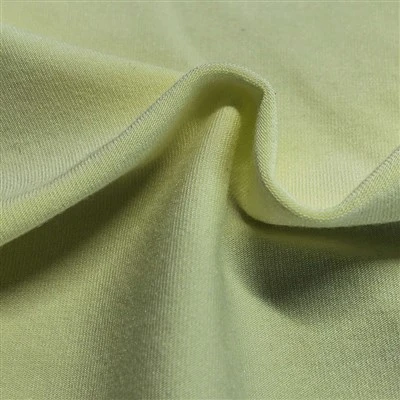
As a swimwear fabric supplier, I’m here to help you find the perfect fabric for your competitive swimsuits. Whether you’re a manufacturer looking to source high – quality materials or an individual swimmer interested in custom – made swimwear, I’ve got the expertise and the products to meet your needs.
Organic Cotton Fabric If you’re interested in learning more about our swimwear fabrics or want to start a conversation about a potential purchase, don’t hesitate to reach out. I’m always happy to chat and provide more information. Let’s work together to get you the best swimwear fabric for your competitive swimming journey!
References
- "Swimwear Fabrics: A Comprehensive Guide" by Textile Institute
- "The Science of Competitive Swimming" by Sports Science Journal
- "Materials for High – Performance Swimwear" by International Journal of Apparel Science and Technology
Shaoxing Valu Textile Co., Ltd.
Shaoxing Valu Textile Co., Ltd. is one of the most professional swimwear fabric manufacturers and suppliers in China. We have world-leading production equipment and strong manufacturing capabilities. Please feel free to wholesale bulk high quality swimwear fabric made in China here from our factory. Also, custom service is available.
Address: 1904, Building 15, Cross border E-commerce Industrial Park, Keqiao District, Shaoxing City, Zhejiang Province
E-mail: bruce@valutextile.com
WebSite: https://www.valutextile.com/
