Hey everyone! Let’s cut to the chase – if you’re a home cook, a small restaurant owner, or just someone who’s ever stood in the spice aisle staring at soy sauce bottles, you’ve probably wondered this: can I use light soy sauce in teriyaki sauce? Spoiler alert: as a light soy sauce supplier, this is a question I get at least three times a week from folks who don’t want to run to the store for a specific teriyaki bottle at 7 PM when they’re mid-recipe. Let’s break this down like we’re chatting over a coffee (or a cold one, if that’s your vibe) – no stuffy lab jargon, just real talk about what works, what doesn’t, and why it matters. Light Soy Sauce
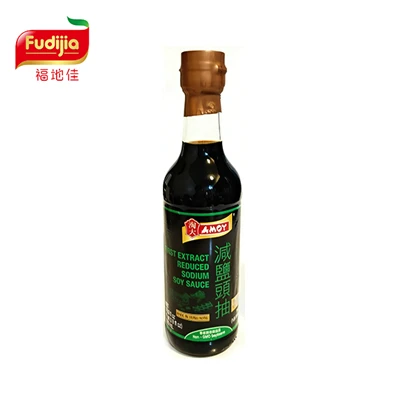
First, let’s get the basics straight: what even is light soy sauce, and what’s the deal with teriyaki? I don’t know about you, but I’ve seen so many people mix these two up because the “soy” is in both names – news flash, they’re totally different. Light soy sauce is the workhorse of East Asian cooking, right? We make it here (yeah, I’m biased, but let’s be real, it’s the stuff that gives stir-fries that savory, umami kick without heavy color). It’s fermented longer than some other soy sauces, has a thinner, more watery texture, and a salt content that’s usually around 16-18% – way saltier than dark soy, and way more punchy in terms of flavor. The big win for light soy? It’s not going to turn your food that weird murky brown if you use too much, which is why it’s the go-to for things like chicken marinades, dipping sauces, and all those weeknight stir-fries you make when you’re tired.
Now teriyaki sauce. That’s a Japanese creation, and its whole identity is balance – sweet, savory, a little tangy, and that glossy finish that makes grilled chicken or salmon look like it came from a fancy restaurant. Traditional teriyaki uses soy sauce (duh), mirin (that sweet rice wine), sugar, and sometimes a touch of ginger or garlic. But here’s the thing: most store-bought teriyaki has added stuff like corn syrup, preservatives, and thickeners, while homemade teriyaki is all about that interplay between soy’s salt, mirin’s sweetness, and sugar’s depth.
So back to the question: can light soy replace regular soy in teriyaki? The short answer is yes, but it’s not a 1:1 swap – and that’s where people go wrong. Let’s walk through why. First, regular soy sauce (the kind most recipes call for in teriyaki) is often a blend of light and dark, or just standard soy that’s a little less salty than pure light soy. If you dump the same amount of light soy into your teriyaki mix, you’re going to end up with something that’s way too salty – that’s a quick way to ruin a perfectly good salmon fillet. But if you adjust the other ingredients? It’s a game-changer.
Let me give you an example I tested last week when my roommate begged me to make teriyaki chicken for her friends. We had no regular soy left, only our light soy stock. Here’s what we did: instead of ¼ cup regular soy, we used 2 tablespoons of light soy (that’s 2/3 the amount) because it’s saltier. Then we bumped up the mirin a little – from 3 tablespoons to 4 – to add more sweetness to balance the extra salt. We also threw in a teaspoon of honey (not too much, we didn’t want it cloying) and a pinch of cornstarch to thicken it up, since light soy is thinner than regular, so it wouldn’t give that glossy teriyaki finish on its own. The result? Their friends thought we ordered takeout. No lie.
But wait, is there a time when light soy is not a good pick for teriyaki? Let’s be real – if you’re making teriyaki for a stir-fry where you want a little color, or if you’re making a dipping sauce for sushi? Light soy works great there. But if you’re going for that deep, rich teriyaki look you see on TikTok grilled salmon? You might want to add a dash of dark soy (but not too much – it’ll turn it brown fast) or even a tiny bit of molasses for depth, but that’s only if you want that color. Most of the time, home cooks don’t even care about the color – they care about the flavor, and light soy delivers that savory umami that teriyaki lives on.
Now, as a light soy sauce supplier, let’s give you the inside scoop that most recipes don’t tell you: not all light soy is created equal. Some budget brands cut corners and use less fermented soybeans, more water, and artificial flavors – that’s why their light soy tastes flat, even when you adjust it. The good stuff (like the one we make here) is fermented for at least 6 months, has a high protein content, and that umami that makes teriyaki taste like it’s been simmered for hours, not 10 minutes. That’s the secret – if your light soy is high-quality, you don’t need to add a bunch of weird fillers.
Another common mistake people make: they think light soy is only for savory dishes. No, man – we use it in a lot of sweet-savory sauces, and teriyaki is the perfect example. The salt cuts through the sweetness, which is why teriyaki is so addictive. If you used a low-sodium soy (even if it’s “light” – wait, hold on, important note: some brands call low-sodium soy “light” but that’s not the same as the thin, fermented light soy. Always check the label: if it’s labeled “light soy sauce” without “low sodium,” it’s the fermented, salty kind we’re talking about), you’d lose that balance. So if you’re grabbing a bottle, make sure it’s the real light soy – not the low-sodium one, not the dark one.
Let’s also talk about when you might want to skip the swap altogether. If you’re making a traditional teriyaki that’s been in the family for generations, and they swear by their specific soy sauce, then stick to that. But if you’re a casual cook, or someone who likes to experiment, light soy is totally fine. I’ve had a few restaurant owners reach out to me because they ran out of their regular soy during a busy dinner shift, and they swapped in light soy with a little adjustment – saved them from a disaster, and their regulars didn’t even notice. That’s the proof right there.
Wait, let’s get into the science part (I know, I said no jargon, but this is quick). Fermentation is key here – light soy sauce is made by fermenting soybeans and wheat with mold, salt, and water. That fermentation creates amino acids like glutamate, which is the stuff that makes umami. Teriyaki needs glutamate to hit that savory note, and light soy has way more of that than, say, a pre-made teriyaki sauce. So when you use light soy, you’re actually getting a more authentic umami flavor than some store-bought teriyaki, which often uses MSG to fake that taste. That’s a big win if you’re into clean flavors.
Now, let’s answer a few quick questions I get from folks who tried the swap and failed. First: why does my teriyaki taste too salty? Because you didn’t reduce the amount of light soy – remember, it’s saltier than regular soy, so use about 2/3 the amount. Second: why is my teriyaki not glossy enough? Because light soy is thinner, so add a tiny bit of cornstarch (mix it with cold water first, so no lumps) when you simmer the sauce, or even a little bit of ketchup (just a teaspoon, not too much) for body and a little tang. Third: can I use light soy in teriyaki without mirin? If you don’t have mirin, use a mix of sugar and rice vinegar, but mirin adds that subtle sweetness that’s hard to replicate. But if you’re in a pinch, light soy still works – just add a little more sugar.
As someone who’s been in the light soy sauce game for years, I’ve seen so many people get intimidated by cooking Asian sauces at home, but this swap is one of the easiest ways to make teriyaki taste better without running to the store. No fancy ingredients, no complicated steps – just adjust the salt and thickness, and you’re good to go.
Now, if you’re a home cook who’s tired of buying those tiny teriyaki bottles that run out after one meal, or a restaurant owner looking for a reliable light soy sauce that works for all your stir-fries, marinades, and yes, teriyaki – reach out. We’re not just a supplier, we’re folks who get it: cooking should be easy, not stressful, and good soy sauce shouldn’t cost a fortune. We can hook you up with the light soy that gives you that umami kick without the weird additives, and we’re happy to answer any other questions you have – whether it’s swapping soy in teriyaki, or what to pair our light soy with for the best stir-fry.
Wait, let’s wrap this up so it’s not too long – I know you’ve got recipes to make. The takeaway? Yes, you can use light soy sauce in teriyaki sauce, but don’t just dump a 1:1 amount. Cut it by 1/3 to avoid salt overload, add a touch more mirin or sugar for balance, and a tiny bit of thickener if you want that glossy finish. The right light soy (and by right, I mean fermented, high-quality stuff) will make your teriyaki taste way better than that store-bought junk, and you won’t have to run to the store at 7 PM anymore.
Before I go, let’s clear one more thing: some people say “light soy is for dipping, teriyaki is for cooking” – that’s a myth. I’ve used light soy to make teriyaki for grilling, for stir-fries, even for a teriyaki glaze on veggies – it works every time. The only time it doesn’t work is if you use too much, or use a cheap, unfermented light soy that tastes like salt water. So do yourself a favor: grab a good light soy, adjust the recipe, and thank me later when your friends ask where you got that amazing teriyaki.
Now, if you’re ready to stock up on light soy sauce that’s perfect for teriyaki and all your other recipes, don’t hesitate to get in touch for a chat about ordering, bulk options, or even how to use our light soy in all your favorite dishes. We’re here to help, not just sell you a bottle.
Soybean Sauce References
- Food and Agriculture Organization of the United Nations. “Fermented Soy Sauces: Production and Properties.” 2021.
- Japanese Soy Sauce Association. “Understanding Soy Sauce Varieties: Light vs. Dark for Home Cooking.” 2022.
- USDA FoodData Central. “Nutrient Comparison of Light Soy Sauce and Regular Soy Sauce.” 2023.
- The Kitchn. “Tested: Can You Swap Light Soy for Regular in Homemade Teriyaki?” 2023.
- Asian Flavor Institute. “Umami in Sweet-Savory Sauces: Balancing Salt and Sweet for Teriyaki.” 2022.
Fudijia (Tianjin) Supply Chain Co., Ltd.
As one of the most professional light soy sauce manufacturers and suppliers in China, we’re featured by quality products and low price. Please rest assured to wholesale bulk light soy sauce made in China here from our factory. For pricelist, contact us now.
Address: Room 1602, MSD-G1, TEDA , Binhai New Area, Tianjin, China, 300457
E-mail: condiment@hjlfoods.com
WebSite: https://www.icondiments.com/
