Hey everyone! Let’s cut to the chase—if you’re working with flexible bags, maybe you’re wondering: “Do I need to buy special packaging equipment to use them?” As a flexible bags supplier, I get this question all the time, and the answer’s not a straight “yes” or “no.” It depends on what kind of bags you’re running, how much you’re producing, and what you’re packaging inside. Let’s break this down like we’re chatting over coffee (no stuffy jargon, promise). Flexible Bags
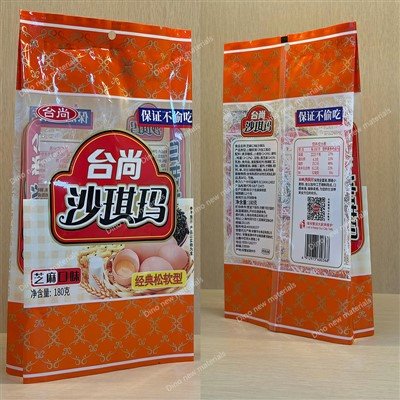
First, let’s start with what flexible bags actually are—we’re talking stand-up pouches, side gusset bags, flat pouches, spouted pouches, even custom poly mailers. These aren’t your old rigid cardboard boxes or glass jars, so their whole deal is flexibility. That means they bend, stretch, and move differently, which is where some people get tripped up. If you try to use regular packaging equipment (the kind you’d use for cans or bottles), you might end up with messy seals, bags that leak, or slow production that kills your bottom line.
Wait, let’s take a common example: stand-up pouches with spouts, like the ones you see for protein shakes or laundry detergent. I’ve seen clients try to run these on a standard vertical form-fill-seal (VFFS) machine that’s designed for rigid containers, and it’s a disaster. Why? Because standard machines don’t account for the spout—they can’t align it right, or they squeeze the bag too hard and crush the spout, making it useless. Or the bag isn’t supported, so it folds over mid-fill, spilling product everywhere. That’s when special packaging equipment makes sense here. Specialized VFFS machines for flexible bags have adjustable jaws that hold the pouch steady, guides that line up spouts perfectly, and even servo motors that control how much product goes in—no messy overflows.
But here’s the twist: if you’re a small business, or you only run a few hundred bags a week, do you really need to drop thousands on specialized gear? Let’s say you’re a local craft jam maker using small flat pouches, or a specialty tea brand doing small batch runs. A lot of folks in this spot use semi-automatic sealers and fillers that are way more affordable. For example, a simple impulse sealer works for flat pouches if you’re just sealing the top edge—you just have to make sure you’re using a sealer with a wide enough bar to match the bag width, and that you’re holding the bag flat while you seal. No fancy equipment needed there, just a little know-how.
What about when special equipment is non-negotiable? Let’s talk about high-volume production. If you’re a brand doing 10,000+ flexible bags a month, slowing down because your regular machine can’t keep up is a big problem. Specialized flexible bag equipment is built for speed—some run up to 100 bags a minute. That’s game-changing if you’re fulfilling big orders for retailers. Also, if your product is sensitive—like food that needs oxygen barrier (think coffee or nuts), or pharmaceuticals that need tamper-evident seals—special equipment ensures the seal is consistent every time. A bad seal on a flexible bag can ruin a whole batch of product, which is a nightmare. I’ve had clients come to me after losing money because their regular machine made inconsistent seals—switching to specialized gear fixed that immediately.
Another point: not all flexible bags are the same. Let’s say you’re using low-density polyethylene (LDPE) bags for shipping poly mailers. Those are super thin, easy to handle. You can run them on a regular poly bag sealer or even a heat gun (carefully!) if you’re doing small runs. But if you’re using thicker, multi-layer flexible bags (like those for frozen food or pet food), those need more pressure to seal properly. A regular sealer might not get enough heat, so the seal breaks when the bag’s full. That’s when you need a heavy-duty rotary sealer, which is a type of special equipment made for thicker flexible materials.
Wait, I should mention something no one talks about enough: compatibility between your equipment and your bags. As a supplier, I always tell clients to check the specs of both—don’t just buy a random sealer and assume it works with the flexible bags you ordered. For example, if your bag has a resealable zip (like a snack pouch), you need a machine that can both fill and re-zip the bag without damaging the zip. Regular machines often mess up the zippers, making them useless for customers. Specialized flexible bag equipment has specific tools for zippers, so the zip stays intact and works as intended.
What if you’re in between small and high-volume? Like, you’re a mid-sized brand doing a few thousand bags a week. There are hybrid options now—semi-automatic specialized gear that’s cheaper than full industrial machines, but still better than regular equipment. These are perfect for folks who don’t want to invest in a huge machine but can’t keep up with manual labor. For example, a semi-automatic pouch filler that holds the flexible bag open for you while you pour product in, then uses a heat sealer made for flexible materials. It cuts your labor time in half, no need for full special gear.
Let’s also address a common myth: “Flexible bags are too delicate, so you always need special equipment.” No, that’s not true. Let’s say you’re doing sample bags or small promotional items—you can hand-seal most standard flexible bags with a handheld sealer. I’ve seen startups get started this way, no big equipment costs. The key is matching your equipment to your specific bag type and production volume. As a supplier, I walk clients through this every day—no one-size-fits-all.
Wait, let’s throw in a real example. Last year, a client came to me with a line of organic baby food in spouted stand-up pouches. They were running it on a regular VFFS machine, and they were only getting 60% good seals—leaks everywhere, product waste. They didn’t want to spend a ton at first, so we recommended a mid-tier specialized VFFS machine for flexible bags. Within a week, their good seal rate was 98%, their production speed doubled, and their waste went down by 70%. That’s the difference special equipment can make when you’re handling a type of flexible bag that’s not compatible with standard gear.
On the flip side, another client is a small-batch honey brand, using flat flexible pouches. They only do 500 bags a month, so they use a handheld impulse sealer. It works perfectly for them—no need to buy a big machine. The bags I supply them are thin, so the sealer gets a tight, consistent seal every time. They save money, and their product’s safe.
Now, let’s talk about maintenance. If you do invest in special packaging equipment for flexible bags, you have to care for it properly—just like any other machine. Flexible bags can leave residues (like food oils) on the sealing bars, so you need to clean those regularly to keep seals consistent. Standard machines might not have parts designed for flexible materials, so they wear out faster. Specialized equipment for flexible bags has parts made to handle those materials, so maintenance is easier, and downtime is less. That’s a big long-term cost saver.
Wait, what about if you’re outsourcing your packaging? A lot of brands do that, especially if they don’t want to deal with equipment costs. If you use a co-packer for your flexible bags, make sure they have the right equipment. If they’re using regular gear, ask if they can switch to flexible-compatible machines, or if you need to adjust your bag design to work with their current gear. That’s something I help clients with too—we’ll work with their co-packers to make sure the bags fit their equipment, so no issues on their end.
Let’s wrap this up: Do flexible bags require special packaging equipment? It’s conditional. Here’s the quick breakdown:
- If you’re small-volume, using standard thin flexible bags: No, you don’t need special gear—affordable semi-automatic or handheld tools work.
- If you’re mid-to-high volume, using complex flexible bags (spouted, gusseted, thick multi-layer, zip-seal): Yes, specialized equipment will save you money, time, and product waste.
- If you’re running sensitive products (food, pharmaceuticals, etc.): Even mid-volume, specialized equipment ensures safety and compliance, which is non-negotiable.

At the end of the day, I’m here to help—no pushy sales, just straight talk. If you’re confused about what equipment works with your flexible bags, just reach out. I can walk you through your production volume, your bag type, and your budget to find the best fit. Whether you’re a startup just getting started or a big brand scaling up, we’ve got flexible bags that work with your equipment, or we can point you in the right direction for gear that’ll make your process smooth. Don’t let equipment hold you back from making great products in flexible bags—let’s chat and figure out what’s right for you.
Heat Sealable Film References:
- Packaging Machinery Association (PMA). 2022. Flexible Packaging Equipment Compatibility Guide.
- Smith, J. (2021). Reducing Product Waste with Specialized Flexible Packaging Equipment. Journal of Packaging Technology and Science.
- Global Flexible Packaging Association (GFPA). 2023. Small Business Guide to Flexible Packaging Equipment.
- Miller, L. (2020). Seal Consistency in Flexible Packaging: The Impact of Equipment Type. Food Packaging and Shelf Life Journal.
Jiangsu Dino New Materials Technology Co., Ltd.
With abundant experience, we are one of the most professional flexible bags manufacturers and suppliers in China. We warmly welcome you to wholesale customized flexible bags made in China here from our factory. If you have any enquiry about free sample, please feel free to email us.
Address: South of Hangzhou Road and east of Hengshan North Road, Sihong Economic Development Zone, Sihong County, Suqian City, Jiangsu Province, China
E-mail: 19551836609@139.com
WebSite: https://www.jsdinuo.com/
