Hey everyone, it’s Alex from the stage effects machine company, and I’ve spent the last five years working alongside small production teams, local theater groups, and even college drama departments—teams that are just starting out and don’t have a six-figure budget for flashy, industry-grade gear. A question I get every single week is: “What stage effects machines are actually budget-friendly for someone just starting out?” It’s such a good question, because so many new folks either overspend on gear that’s way too complex for their needs, or settle for cheap, unreliable stuff that breaks mid-show. Today, I’m breaking down the machines we recommend most for beginners, why they work, and what to look for to avoid wasting money. Stage Effects Machine
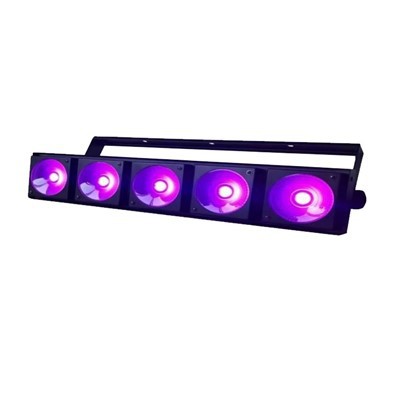
First, let’s set the scene: when I talk about a “beginner,” I’m not talking about someone who’s never touched a fog machine before. I’m talking about a team that’s putting on their first small theater run, a local music festival set in a 200-seat space, or even a high school talent show where they’re responsible for 10 minutes of lighting and effects. Their budget? Usually between $100 and $500 total, not per machine. They need gear that’s easy to set up, doesn’t require a degree in electrical engineering to operate, and holds up through 2 or 3 shows a weekend.
Let’s start with the workhorse every beginner needs: a mid-sized fog machine. Wait, not the tiny $20 ones you can grab at a big-box store. Those things are garbage—they spit out uneven fog, clog after a few uses, and leave a sticky residue on your stage floor that’s a nightmare to clean. What’s a better option? A 1000-watt fog machine, priced between $150 and $250. Let me explain why this is the sweet spot. A 1000-watt machine outputs 8,000 to 12,000 cubic feet of fog per minute—plenty for a 200-seat black box theater or a small club set. It heats up in about 5 minutes, which is standard for beginner gear, and most come with a wired remote that’s easy to hide backstage, so you can trigger effects right on cue. The key here is to look for one that uses water-based fog fluid, not oil-based. Oil-based fluid is cheaper upfront, but it’s way more viscous, clogs the machine’s heater core faster, and leaves a film that damages stage carpets over time. Water-based is safer for venues, easier to clean, and the machines designed for it are built to handle regular use without breaking. Last year, a community theater group in Detroit bought two 1000-watt fog machines from us for their production of The Addams Family—they ran them three times a week for four weeks, and only needed a top-up of fluid, no repairs. That’s exactly the kind of reliability beginners want.
Next up: fog machines with a “smoke bubble” function, or even separate small bubble machines. Wait, bubbles? I know it sounds silly, but a well-placed bubble machine can add so much depth to a set without costing a fortune. A compact bubble machine, priced under $100, is perfect for beginners. But let’s be clear: skip the $15 toy ones. Those only produce a stream of bubbles straight up, which don’t mix well with fog or lighting. Look for a machine that has adjustable fans to spread bubbles horizontally, or a model that can mount on a stand above the stage. The best budget bubble machines we’ve tested for beginners have a continuous flow rate of 500 bubbles per minute, which is enough for a small show without overwhelming the space. Pair that with your fog machine, and you get that dreamy, otherworldly effect—think the ballroom scene in a period play, or a pop artist’s performance where bubbles drift over the crowd. A college music department client of ours used a $80 bubble machine and a $180 fog machine for their 2023 spring show, and they told us it was the most talked-about part of the whole production, all for under $300 total.
Now, let’s talk about pyrotechnic-adjacent effects, because I know a lot of beginners want that “big bang” without the risk or cost of actual fireworks. The number one budget pick here is a cold spark machine, specifically the 400-watt model. Wait, I know what you’re thinking—cold spark machines used to be super expensive, right? A few years ago, they were $1,000+ for a basic model, but newer manufacturing brought the 400-watt ones down to $400-$500, which is totally doable for beginners. Here’s why they’re perfect for new teams: unlike traditional pyrotechnics, they don’t require a licensed professional to operate. They produce 10-foot high, non-toxic sparks that are safe for indoor use, and they trigger in half a second, so you can sync them perfectly with a sound track or lighting cue. The 400-watt model is enough for a small stage—any bigger, and you’ll need a higher wattage, but for a 200-seat venue, it’s more than enough. Just a tip: when you’re buying a cold spark machine, make sure it comes with a safe stand and a carrying case—we include both in our budget models, because a lot of beginners don’t think about how to transport or mount their gear. Last year, a local rap artist put on a 30-minute set in a 300-capacity club, and used a 400-watt cold spark machine for his final song. He told us it cost less than the lighting setup he’d used for his last show, and the crowd went wild.
Wait, what about something that’s not fog or sparks? Dry ice effects, right? Dry ice can create that eerie, low-lying fog that skims across the stage, like a ghost in a horror play. But a lot of beginners mess this up because they don’t have the right machine. A small dry ice machine, or even a heavy-duty cooler paired with a fog machine (but wait, no—let’s get the right gear). A budget dry ice machine for beginners is priced between $200 and $300, and it’s designed to heat water to 100 degrees, so when you drop dry ice into it, it turns into that thick, low fog. The bad way to do it is just putting dry ice in a regular plastic bin and pouring water on it—you get a lot of carbon dioxide fog, but it’s wet, and the dry ice sublimates too fast. A dedicated dry ice machine controls the temperature, so the fog is thick, lasts 10-15 minutes, and doesn’t leave a puddle on your stage. We worked with a high school drama group last fall for their production of A Christmas Carol, and they used a $220 dry ice machine to create the fog for the ghost of Christmas past scenes. They only used 5 pounds of dry ice per show, which cost them about $10 a week—way cheaper than renting a professional dry ice system. That’s the kind of smart, budget-friendly hack beginners need.
Now, let’s talk about what to avoid, because I’ve seen way too many beginners waste their money on gear that’s not worth it. First, skip the multi-effect machines that do fog, bubbles, and sparks all in one. Those are usually cheap, and they cut corners on every single function. We once had a customer bring back a $300 multi-effect machine because the fog function stopped working after two uses, the bubbles were tiny, and the spark effect only lasted 2 seconds. It’s always better to buy separate, single-function gear from reputable brands than to go for a “set it and forget it” combo. Second, don’t buy used gear from random online marketplaces unless you know exactly what you’re looking for. A lot of used stage effect machines have clogged heater cores, frayed wiring, or missing parts that aren’t obvious until you’re mid-show. I’ve heard too many horror stories of teams that spent $150 on a used fog machine only to have it break during their first performance, costing them extra money for repairs and a delayed show. Third, don’t skimp on the fluid or consumables. Cheap fog fluid might save you $5 a bottle, but it’ll clog your machine, void your warranty, and leave a sticky residue that takes hours to clean. Stick to brand-name fluid that’s made for your specific machine—we stock our own line of budget fluid that’s compatible with all our gear, and it’s priced at $12 a gallon, which is way cheaper than the venue’s overpriced stuff.
Let’s do a quick total budget breakdown for a beginner’s first full set of effects, so you can see exactly how it adds up. For a small theater or club: 1000-watt fog machine ($200), compact bubble machine ($80), 400-watt cold spark machine ($450), budget dry ice machine ($220). That’s $950 total, which is way less than a lot of beginners expect to spend. And if you don’t need the spark machine right away, you can start with the fog and bubble machine for $280, then add the spark machine later when your budget allows. It’s flexible, which is key for new teams that are still figuring out what works for their shows.
Wait, another thing a lot of beginners overlook: safety. Every one of these budget machines comes with safety features, but you need to use them. Cold spark machines, for example, need a fire extinguisher within 10 feet of the stage, even though they’re not flammable—just in case of a spark that lands on a curtain. Fog machines shouldn’t be used in unventilated spaces, because too much fog can trigger asthma or set off smoke alarms. We include a quick safety guide with every budget machine we sell, and we always tell beginners to test their gear in a empty space before the first show. That’s a simple step that prevents so many disasters.
I also want to mention that a lot of these budget machines are portable, which is a big plus for beginners. If you’re a small team that travels between different venues, you can fit a fog machine, bubble machine, and cold spark machine all in one car, no special equipment needed. We’ve had customers transport their budget stage effects to shows in school vans, apartment-sized moving trucks, even the back of a pickup, without any issues. That portability is a game-changer for teams that don’t have a dedicated production truck or storage space.
At the end of the day, the number one mistake beginners make is thinking they need the most expensive, flashiest gear to put on a good show. The best stage effects aren’t about how much they cost—they’re about how well they fit your vision and how reliable they are. I’ve seen a tiny $150 fog machine paired with a $100 bubble machine create a more magical effect than a $5,000 high-end system in a small, intimate space. It’s all about matching the gear to your venue, your budget, and your needs.
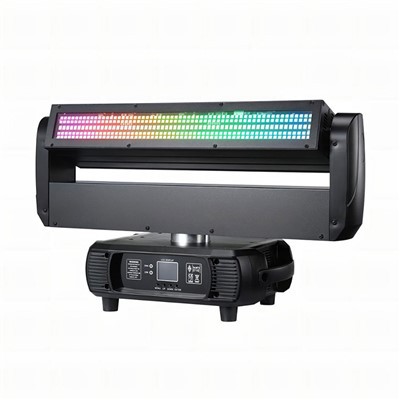
If you’re a beginner who’s putting together your first stage effects setup and have questions about what will work for your specific show—whether it’s a 100-seat play or a 500-capacity music set—don’t hesitate to reach out for a custom recommendation. We’ve worked with hundreds of new teams, and we’re here to help you avoid the common mistakes that waste time and money.
LED Effect Light References
Stage Effects Machine Industry Association. (2022). Budget-Friendly Equipment Guidelines for Amateur Production Teams.
Theater Producers’ Alliance. (2023). Safety Standards for Portable Stage Effects.
Live Event Technology Magazine. (2024). Cost Analysis of Beginner Stage Effect Machines.
Guangdong New Start Lighting Co., Ltd.
Guangdong New Start Lighting Co., Ltd. is one of the most professional stage effects machine manufacturers and suppliers in China. Welcome to wholesale durable stage effects machine in stock here and get quotation from our factory. All customized products are with high quality and competitive price.
Address: No.2, Hubin Road, Jiaoxin Village, Shimen Street, Baiyun District, Guangzhou, Guangdong, China
E-mail: newstartkate@gmail.com
WebSite: https://www.newstartlighting.com/
