As a supplier of fiber splitters, one of the questions I’m frequently asked is "How to maintain a fiber splitter?" This is a vital topic because proper maintenance can significantly extend the lifespan of fiber splitters and ensure their reliable performance. In this blog post, I’ll share some professional insights and practical tips on maintaining fiber splitters. Fiber Splitter

Understanding the Basics of Fiber Splitters
Before delving into maintenance, it’s essential to understand what a fiber splitter is and how it works. A fiber splitter is a passive optical device used to split an optical signal from one fiber into multiple fibers. It plays a crucial role in fiber – optic communication networks, especially in the FTTH (Fiber to the Home) and FTTx (Fiber to the x) networks, where it helps to distribute the optical signal to multiple end – users efficiently.
The two main types of fiber splitters are Fused Biconical Taper (FBT) and Planar Lightwave Circuit (PLC) fiber splitters. FBT splitters are usually used for lower splitting ratios (such as 1:2, 1:4), while PLC splitters are suitable for higher splitting ratios (such as 1:16, 1:32, 1:64). Each type has its own characteristics, but the basic maintenance principles apply to both.
Environmental Considerations for Fiber Splitter Maintenance
The environment in which a fiber splitter operates has a profound impact on its performance and longevity.
Temperature and Humidity Control
Fiber splitters are sensitive to temperature and humidity. Extreme temperatures can cause the optical fibers and components inside the splitter to expand or contract, which may lead to signal loss or even device failure. High humidity can also corrode the metal parts and degrade the optical fibers.
It is recommended to install fiber splitters in an environment with a temperature range of – 20°C to 60°C and a relative humidity of 5% – 95% (non – condensing). If the installation environment cannot meet these requirements, it’s necessary to use temperature – and humidity – controlled enclosures.
Dust and Contamination Prevention
Dust and other contaminants can adhere to the optical connectors and ports of fiber splitters, causing significant signal attenuation. To prevent this, fiber splitters should be installed in clean areas. If possible, use dust caps on unused ports. Regularly clean the installation area to minimize the amount of dust in the air. In industrial or outdoor environments where dust is more prevalent, additional protective enclosures or filters can be used.
Visual Inspection
Regular visual inspections are a simple yet effective way to maintain fiber splitters.
Inspecting the Enclosure
The first step is to check the physical condition of the splitter enclosure. Look for any signs of damage, such as cracks, dents, or loose parts. A damaged enclosure may not provide adequate protection for the internal components, which can lead to signal instability or equipment failure. If any damage is found, the enclosure should be repaired or replaced immediately.
Checking the Optical Connectors
Optical connectors are one of the most critical parts of a fiber splitter. Inspect the connectors for dirt, scratches, or bent pins. Dirty connectors can cause high insertion loss and reflection, which will degrade the signal quality. Scratches or bent pins can also lead to poor connection and signal interruption. If the connectors are dirty, they can be cleaned using a proper cleaning tool, such as a fiber optic cleaner pen or a cleaning swab with isopropyl alcohol.
Optical Performance Testing
Periodic optical performance testing is essential to ensure that the fiber splitter is functioning correctly.
Insertion Loss Testing
Insertion loss is the reduction of optical power when the signal passes through the fiber splitter. It is one of the most important performance indicators of a fiber splitter. To measure the insertion loss, you need an optical power meter and a light source. Connect the light source to the input port of the splitter and the optical power meter to each output port. Measure the power at the input and each output, and then calculate the insertion loss using the formula: Insertion Loss (dB)= – 10 log (Pout / Pin), where Pout is the power at the output port and Pin is the power at the input port. If the insertion loss exceeds the specified value, it may indicate a problem with the splitter, such as a damaged fiber or a dirty connector.
Reflection Testing
Reflection occurs when a part of the optical signal is reflected back to the source due to impedance mismatches at the connectors or within the splitter. High reflection can cause signal distortion and affect the performance of the entire optical network. A Optical Time – Domain Reflectometer (OTDR) can be used to measure the reflection. If the reflection is too high, check the connectors and the internal components of the splitter for any abnormalities.
Cleaning and Handling
Proper cleaning and handling of fiber splitters are crucial for their maintenance.
Cleaning Procedures
When cleaning a fiber splitter, it’s important to follow the correct procedures. First, turn off the power supply to the splitter to avoid any electrical hazards. If the splitter has an external enclosure, clean the outside of the enclosure with a soft, dry cloth. For the optical connectors, use a lint – free cleaning swab or a fiber optic cleaner pen. Dip the swab or pen in isopropyl alcohol (at least 90% purity) and gently wipe the connector end – face. Do not use abrasive materials, as they can scratch the connector surface.
Handling Precautions
When handling fiber splitters, be gentle to avoid any physical damage. Do not pull or bend the optical fibers excessively, as this can cause breaks or micro – bends, which will increase the signal loss. Always hold the splitter by the enclosure or the designated handling points. If you need to move the splitter, make sure to use proper packaging to protect it during transportation.
Replacing Components
Over time, some components of a fiber splitter may wear out or become damaged. Identifying when to replace these components is an important part of maintenance.
Connector Replacement
If an optical connector is severely damaged or cannot be cleaned to the required standard, it should be replaced. Replacing a connector requires some technical skills. First, you need to strip the outer jacket of the optical fiber carefully. Then, clean the exposed fiber and insert it into the new connector. Use a fusion splicer or a mechanical splice kit to connect the fiber to the connector. After the connection is made, test the optical performance to ensure that the replacement is successful.
Internal Component Replacement
In some cases, internal components such as the splitter chip or the optical fiber inside the splitter may need to be replaced. This is a more complex task and usually requires professional technicians. If you suspect that there is a problem with the internal components, it’s best to contact the manufacturer or a qualified maintenance service provider.
Importance of Regular Maintenance Records
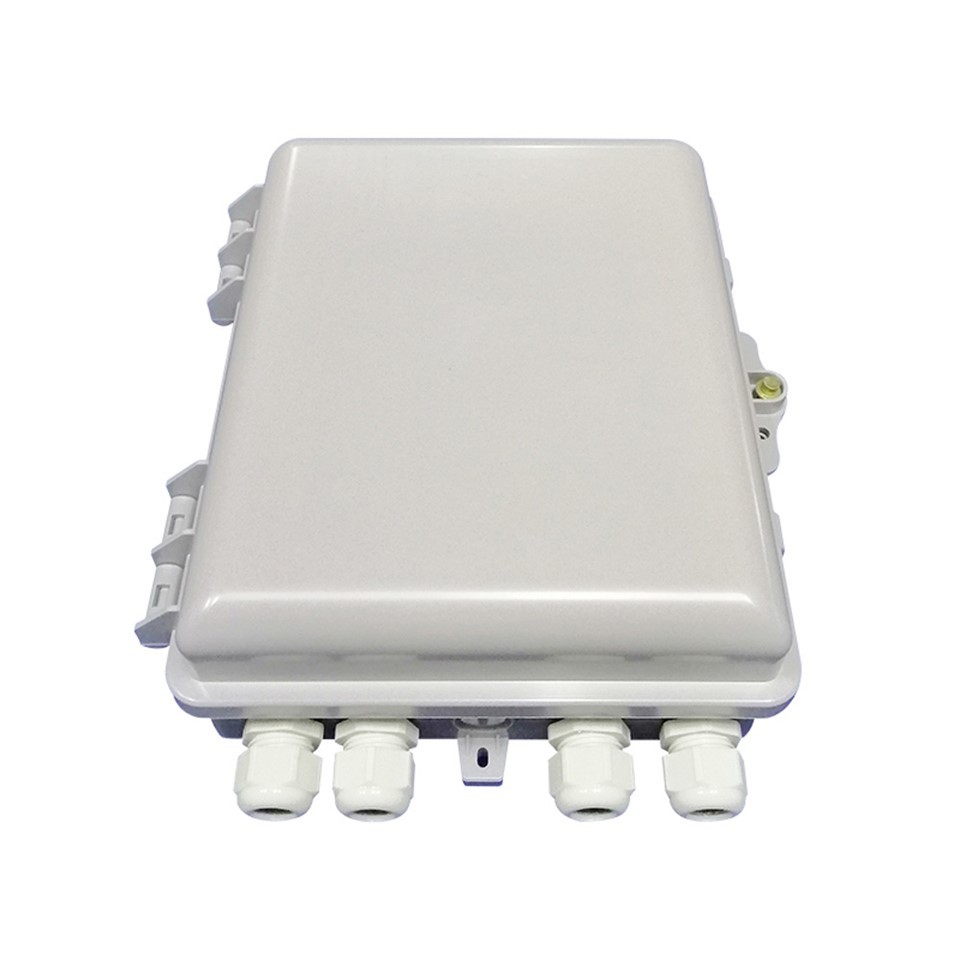
Keeping regular maintenance records is an often – overlooked but crucial aspect of fiber splitter maintenance. By recording the inspection dates, test results, cleaning procedures, and component replacements, you can track the performance and history of each fiber splitter. This information can be very useful for troubleshooting and predicting future maintenance needs. For example, if you notice a gradual increase in insertion loss over time, you can take proactive measures to prevent a complete failure.
Contact for More Information and Purchase
Fiber Optic Connector Maintaining fiber splitters is a comprehensive task that requires attention to detail and proper technical knowledge. As a professional fiber splitter supplier, we are committed to providing high – quality products and professional after – sales support. If you have any questions about fiber splitter maintenance or are interested in purchasing our fiber splitters, please feel free to contact us. We look forward to discussing your specific needs and providing you with the best solutions.
References
- "Fiber Optic Communication Technology" by John M. Senior
- "Optical Fiber Telecommunications V – A: Components and Subsystems" edited by Ivan Kaminow and Tingye Li
- Manufacturer’s manuals and technical documents for fiber splitters
Brolink Technologies (Dongguan) Co., Ltd.
As one of the most experienced fiber splitter manufacturers and suppliers in China, we offer a wide range of products with superior quality. We warmly welcome you to buy high-grade fiber splitter in stock here and get quotation from our factory. For price consultation, contact us.
Address: Room 201, Unit 2, Building 16, 77 Dongguan Science And Technology Park, Shilong Road, Guanlong Road, Dongcheng District,Guangdong province,China
E-mail: scwang@brolinktech.com
WebSite: https://www.brolinkopt.com/
