Being a supplier in the minimally invasive surgical instruments (MISIs) industry, I’ve witnessed firsthand the incredible advancements in this field. Minimally invasive surgery has revolutionized the medical world, offering patients less pain, shorter hospital stays, and faster recovery times. But let’s be real, developing new MISIs isn’t a walk in the park. There are a bunch of challenges that we, as suppliers, have to face head – on. Minimally Invasive Surgical Instruments

1. Technological Hurdles
One of the biggest challenges is keeping up with rapid technological changes. The medical tech landscape is evolving at breakneck speed, and we need to stay ahead of the curve. For example, the demand for high – resolution imaging integrated into MISIs is sky – high. Patients and doctors want crystal – clear visuals during surgery to make more accurate decisions. But developing imaging systems that are both high – quality and small enough to fit into tiny surgical instruments is no easy feat.
We also have to deal with the issue of miniaturization. As minimally invasive surgeries aim to make smaller incisions, the instruments need to be smaller and more precise. Shrinking the size of components while maintaining their functionality and durability is a real balancing act. For instance, creating micro – motors that can generate enough power in a tiny space is extremely difficult. These motors are used in many MISIs, like drills and cutters, and any compromise in power can affect the performance of the instrument.
Another technological challenge is the integration of robotics. Robotic – assisted minimally invasive surgery is becoming more and more popular. However, combining robotic technology with traditional MISIs requires a lot of expertise. We need to ensure that the robotic interface is seamless, allowing surgeons to control the instruments with precision and ease. This involves complex engineering and software development, and any glitches can have serious consequences during surgery.
2. Regulatory and Approval Processes
The regulatory environment for MISIs is super strict, and rightfully so. After all, these are medical devices that are going inside a patient’s body. Getting a new instrument approved by regulatory bodies like the FDA in the United States or the European Medicines Agency (EMA) is a long and costly process.
First of all, we have to conduct extensive pre – clinical and clinical trials. These trials are designed to prove the safety and effectiveness of the new instrument. We need to collect a huge amount of data, which can take years. And if there are any issues during the trials, we may have to go back to the drawing board and make changes to the design.
The documentation required for regulatory approval is also mind – boggling. We have to provide detailed information about the instrument’s design, manufacturing process, materials used, and performance data. Any missing or incorrect information can delay the approval process. And let’s not forget about the cost. The fees associated with regulatory submissions are substantial, and all these costs are ultimately factored into the price of the instrument.
3. Cost – Benefit Analysis
Developing new MISIs is an expensive business. We have to invest a lot of money in research and development, from hiring top – notch engineers and scientists to buying the latest testing equipment. And then there are the costs of manufacturing, marketing, and regulatory compliance.
On the other hand, healthcare providers are constantly under pressure to cut costs. They need to balance the benefits of using new, high – tech MISIs against their cost. Sometimes, the price of a new instrument is so high that hospitals are reluctant to adopt it. As suppliers, we need to find a way to offer innovative products at a reasonable price.
We also need to prove the long – term cost – effectiveness of our instruments. For example, a more expensive MISI may reduce the length of a patient’s hospital stay and the need for follow – up care. But convincing healthcare providers of these long – term savings can be difficult.
4. Training and Education
Even if we develop a revolutionary new MISI, it’s useless if surgeons don’t know how to use it properly. Training and education are crucial in the adoption of new instruments.
Surgeons are busy people, and they may not have the time to attend long training sessions. We, as suppliers, need to develop efficient and effective training programs. These programs should be accessible, whether it’s in – person at a training center or online.
Moreover, the medical field is vast, and different specialties may require different types of training. For example, a neurosurgeon using a new MISI will have different training needs compared to a cardiothoracic surgeon. Tailoring the training programs to different specialties is another challenge we face.
5. Market Competition
The MISIs market is highly competitive. There are a lot of suppliers out there, all vying for a share of the pie. This means we have to constantly innovate to stay ahead.
New entrants to the market are always coming up with fresh ideas and technologies. They may be more agile and able to bring new products to market faster. As an established supplier, we need to keep our eyes peeled and respond quickly to these new competitors.
We also have to deal with price competition. Some suppliers may be willing to cut prices to gain market share. But for us, cutting corners on quality is not an option. We need to find a way to differentiate our products based on quality, innovation, and customer service.
6. Ethical and Social Considerations
Developing new MISIs also comes with ethical and social responsibilities. For example, we need to ensure that our products are accessible to all patients, regardless of their socioeconomic status. In some parts of the world, access to high – tech MISIs is limited due to cost or lack of infrastructure.
We also have to consider the impact of our products on society. For instance, the disposal of used MISIs needs to be done in an environmentally friendly way. And as we develop more advanced technologies, we need to address concerns about data privacy, especially in the case of robotic – assisted surgeries where data is collected and transmitted.
Reach Out for Great MISIs
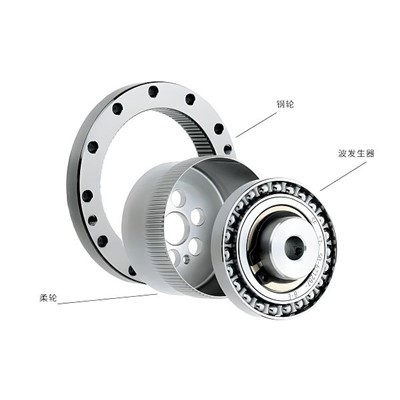
Harmonic Drive Components If you’re in the market for high – quality minimally invasive surgical instruments, don’t hesitate to reach out. We understand the challenges in the industry, and we’re committed to providing innovative solutions that meet your needs. Whether you’re a small clinic or a large hospital, we have the expertise and products to support your surgical procedures. Let’s start a conversation and see how we can work together to improve patient outcomes.
References
- "Minimally Invasive Surgery: Current Status and Future Directions" by various authors, published in a leading medical journal.
- Industry reports from well – known research firms specializing in medical device markets.
- Insights from conferences and seminars on minimally invasive surgical technology.
Jiangsu Zhengfang Dynamics Technology Co., Ltd.
As one of the most professional minimally invasive surgical instruments manufacturers and suppliers in China, we’re featured by quality products and good price. Please rest assured to buy customized minimally invasive surgical instruments made in China here from our factory. Contact us for pricelist.
Address: Building 3, No. 69 Feitian Avenue, Jiangning District, Nanjing City, Jiangsu Province
E-mail: hanks.liu@zfdynamics.com
WebSite: https://www.zhengfangdongli.com/
