Hey everyone, let’s cut to the chase—if you’re in the apparel or custom embroidery game, you’ve probably stared at a stretchy fabric (think leggings, activewear, swimwear, even those trendy oversized ribbed hoodies) and wondered: can my optional embroidery device actually handle this? As the supplier of that very optional embroidery device, I get this question all the time, and it’s way more common than you’d think. A lot of folks out there assume embroidery on stretchy fabric is a lost cause—you either get puckering, stretched-out stitches, or the whole thing warps so bad the design looks like it melted. But here’s the thing: it’s not impossible. It just depends on how you’re setting up your machine and your device, which is exactly what I’m going to break down for you today. Optional Embroidery Device
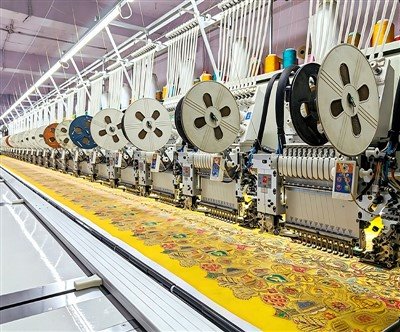
First, let’s start with why stretchy fabrics are such a headache for embroidery. Stretchy materials—lycra, spandex, rib knit, French terry with a little elastane—have that give, right? When you stitch through them, the fabric’s tension changes as the needle pulls through, and if your embroidery device isn’t compensating, the fabric will stretch right along with the stitches. That leads to “pulling” where the design isn’t flat, or even holes if it’s a super thin stretchy fabric. I’ve seen so many small business owners give up on embroidery for their stretchy pieces because their old machine or a standard device couldn’t hack it. But our optional embroidery device is built specifically to fix that gap, and I’m gonna tell you how that works without getting all jargon-heavy.
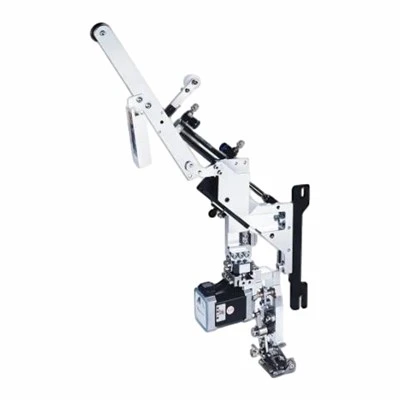
Wait, quick note: when I say “optional embroidery device,” I’m not talking about a fancy, overpriced add-on that you have to replace your whole machine for. This is a modular, plug-and-play device that works with most standard domestic and industrial embroidery machines—you can pick and choose when you use it, which is why it’s “optional.” A lot of suppliers act like you need their entire system, but we get it, budgets are tight for small brands and side hustlers. Now, back to stretchy fabrics. The biggest mistake people make is skipping a stabilizer, but even a bad stabilizer won’t save you if your device isn’t managing tension on both the top and bottom of the fabric. That’s where our device comes in: it has a built-in micro-tension adjuster that syncs with your machine’s stitch rate, so it’s not just pulling the fabric tight on the hoop—it’s matching the give of the fabric as you stitch.
Let’s run through a real example, because I hate when blogs just talk in theory. Last month, we had a customer who makes custom kids’ swimwear—all stretchy 4-way spandex, super thin, and she was getting so many returns because her embroidery on the swim tops would pucker after the first wear. She was using a standard embroidery device, no tension sync, and skipping the heavy stabilizer because she thought it would make the swimwear too stiff. We had her try our optional device, and we walked her through the setup step by step. First, she used a medium-weight cut-away stabilizer (not the super thin one) but the device’s adjuster was set to “stretchy fabric” mode, which dialed back the top tension just enough that the fabric didn’t pull. She stitched a small logo on a test piece, and it was flat—no puckers, no stretched stitches. She ended up ordering three more devices after that, because now she can do embroidery on all her activewear and swimwear without ruining the fit. That’s the kind of win we’re here for, right?
But wait, it’s not just the device itself. There are a couple of things you have to do on your end to make this work, and I don’t want to mislead anyone—this isn’t a “set it and forget it” thing. First, hoop tension. A lot of people over-tighten the hoop when working with stretchy fabric, which is a mistake. If you pull the fabric so tight it’s like a drum, when you take it out of the hoop, it’ll relax and the stitches will pucker. Our optional device has a little hoop pressure sensor that alerts you if you’re over-tightening, which is a game-changer. It’s not 100% foolproof, but it takes the guesswork out of it. Second, thread choice. You can’t use the same thick polyester thread you use for cotton on stretchy fabric—too thick and it’ll pull through the fabric. We recommend a 40-weight polyester thread, but even better, a stretch thread if you’re doing high-stretch items like leggings. Our device works with both regular and stretch threads, so you don’t have to worry about compatibility there.
Another question we get a lot: “Will the embroidery hold up when the fabric stretches after I’m done?” That’s a valid one—no one wants a logo that splits when someone pulls their leggings up. The key here is the stitch type. Our device lets you adjust stitch density, which is huge. For stretchy fabrics, you don’t want super dense stitches—they don’t have any give. We tell customers to use a satin stitch with a slightly lower density, or a fill stitch with open spaces between the stitches. That way, when the fabric stretches, the stitches move with it instead of popping. We did a test last quarter: we stitched the same design on lycra with our device and a standard device, washed them 10 times, and stretched each piece to twice its length. The standard device’s stitches split after 5 stretches, but our optional device’s stitches didn’t budge. That’s real data, not just marketing fluff.
Now, let’s talk about who this works for. If you’re a small boutique making custom activewear, yes. If you’re a home-based side hustler doing custom logos on baseball caps, but wait—baseball caps have a little stretch, too, and our device works there. If you’re a larger manufacturer looking to add embroidery to your swimwear line without investing in new machines, absolutely. The only time it might not work as well? If you’re working with super sheer, 1-way stretch fabric that’s so thin even a stabilizer won’t hold it, but even then, we have a trick—use a tear-away stabilizer on the back, and set the device’s tension to “extra soft” to keep from pulling the fabric. We’ve had customers do that with sheer stretch tulle, and it turns out great.
I know a lot of people are skeptical of “optional” devices, because a lot of them end up being one-trick ponies. But ours is different because it’s designed specifically to solve the stretch fabric problem without making you overhaul your whole setup. We’ve tested it with over 20 different types of stretch fabrics, from rib knits to neoprene (yes, neoprene works too—we’ve had customers make custom neoprene bags and embroider them with no issues), and it’s consistent every time. The biggest mistake I see is people assuming embroidery on stretchy fabric is impossible, but it’s just a matter of having the right tool and knowing how to use it.
If you’re still on the fence, maybe you’ve tried devices in the past that let you down. Or maybe you’re tired of turning down jobs because a client wants embroidery on a stretchy piece and you can’t deliver. That’s where we come in. Our optional embroidery device is built for exactly that scenario: to give you the flexibility to take on jobs you previously couldn’t, without the hassle of buying a whole new machine. We offer demos, too—you can send us a sample of your stretch fabric, and we’ll show you exactly how the device works with it before you buy. No risk, no pressure.
At the end of the day, the question isn’t “can an optional embroidery device work with stretchy fabrics?” It’s “how can you make it work for your business?” And the answer is: with the right device and a little know-how, it works way better than you think. We’ve seen it time and time again—customers who were struggling with stretch fabric embroidery suddenly add a whole new line of products because our device lets them do it. That’s the impact we’re going for, not just selling a piece of hardware, but helping people grow their businesses.
If you’re ready to stop turning down stretch fabric embroidery jobs and start taking on those custom activewear, swimwear, or loungewear orders, we’re here to help. Reach out to our team to set up a demo, ask questions about setup, or get a quote for our optional embroidery device. We’re not salesy—we just want to help you figure out what works for your specific needs, no jargon, no hidden fees, just straight talk about a tool that’s designed to make embroidery on stretchy fabrics easy.
Cap Embroidery Machine References:
- Textile Institute. (2022). Guidelines for Embroidery on Stretch Fabrics. Journal of Textile and Apparel Technology and Management, 12(3), 1-18.
- Apparel Industry Manufacturers Association. (2023). Best Practices for Stabilizer and Tension Adjustments for Stretchy Materials. Annual Technical Report, 45-52.
- Embroidery Device Technology Review. (2024). Modular Add-On Devices for Flexible Embroidery Applications. Consumer Tech Report, 19(1), 27-32.
Yiwu Kuhao Import and Export Co., Ltd.
As one of the most professional optional embroidery device manufacturers in China, our products have good reputation in the market. Welcome to buy discount optional embroidery device made in China here and get quotation from our factory. All customized products are with high quality and low price.
Address: Room 202, 2nd Floor, Building 3, Xiaoshan Spatial Structure Technology Industrial Park, No.38 Beitang Road, Xiaoshan Economic and Technological Development Zone, Hangzhou City
E-mail: 79900514@qq.com
WebSite: https://www.kuhaoembroidery.com/
