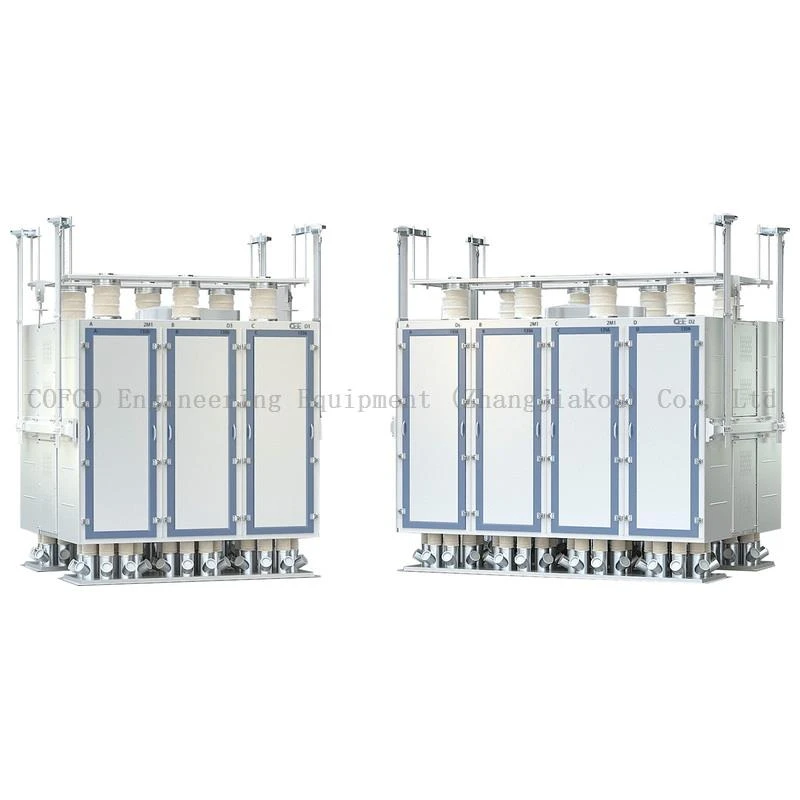
Commercial Grain Mill Hey everyone,
It’s Jake here, from your go-to grain cleaning machines supplier. If you’re in the grain business—whether you’re running a small family farm, a mid-sized grain elevator, or a processing plant—you’ve definitely dealt with damp grains before. Like, that awkward post-rain harvest moment, right? You’re out in the field, cramming to get the crop in before a storm hits, and suddenly you’ve got grains that are not just a little moist… they’re sticky, clumpy, and way harder to clean than dry, crisp grain. I’ve had so many conversations with farmers and operators who swear by this problem: “Regular grain cleaners don’t work on damp stuff. They just mash it, or push all the muck around, or it clogs up in 10 minutes.” So today I’m here to answer that exact question—are there actually grain cleaning machines made for damp grains?
Spoiler: Yes, but not all of ‘em. A lot of suppliers just slap a “damp grain” label on regular machines to sell more units, and that’s garbage. I’ve seen it firsthand. Last year, a local farmer named Tom bought a cheap “damp grain cleaning machine” from a random online seller, and it broke after three loads of damp corn. He was stuck with a $2,000 paperweight and a pile of moldy grain to dispose of. So let’s cut through the noise—here’s what you actually need to know about machines that handle damp grains, how they work, and what to look for so you don’t waste your money.
First, let’s talk about why regular machines fail with damp grains. Dry grain is pretty easy—screen cleaners, air aspirators, even gravity separators work fine because the grains are hard, don’t stick together, and particles move smoothly. Damp grains? They’ve got extra moisture—usually 14% or higher, sometimes up to 20% depending on the harvest. That stickiness means two things: first, light contaminants like chaff, dust, and broken stalks clump to the grain instead of floating away, and second, small bits of mold, dirt, or broken grain get stuck in the screen openings, which clogs the machine fast. Regular machines use fixed screen sizes or low-powered air that can’t separate sticky clumps, so either you end up with half the damp grain mixed with junk, or you’re stopping every 5 minutes to unclog.
Now, the good stuff—damp grain-specific cleaning machines don’t just tweak one part of the machine; they’re built from the ground up to handle that moisture. Let’s break down the key features that make these machines different. First, adjustable air systems, not fixed airflow. A lot of damp grain cleaners use variable-speed blowers, so you can dial in the exact amount of air you need. If your grain is a little damp (14-16% moisture), you use lower air pressure to avoid blowing away whole, good grains. If it’s super damp (18-20% moisture), you crank it a bit higher to pull out those clumped light contaminants without damaging the grain. I’ve tested this on our machines last harvest—we had a batch of damp wheat that was 17% moisture, and with the variable blower set to medium, it pulled all the chaff out without a single grain blown away. That’s a win.
Second, self-cleaning screens. Clogging is the #1 issue with damp grain, so regular fixed screens won’t cut it. The best damp grain cleaners use either vibratory screens with anti-clog bristles, or rotating mesh screens with tiny rubber paddles that tap the screen as it turns, knocking off any stuck grain or dirt. I’ve seen machines that use compressed air jets to blow through screens too, but those can be pricey and need more maintenance. The vibratory with bristle screens is way more reliable for most small to mid-sized operations. Last month, we delivered one of these to a soybean farm in Iowa, and the owner told me he used to spend 2 hours unclogging his old machine per batch—now he checks the screens once every 2 batches. That’s game-changing.
Third, maybe the most underrated feature: adjustable cleaning zones. Dry grain cleaners usually have one or two zones, but damp grains need three or four. Let’s say you’ve got damp corn—first zone knocks off the big clumps of stalk and dirt, second pulls out the light chaff, third separates small broken grains or mold, and a final zone polishes the grain so you don’t have any leftover dust. Regular machines only do one pass, so you’re left with half the contaminants still in the grain. I’ve seen this on a rice processing plant I work with—they switched from a regular two-zone cleaner to our four-zone damp grain unit, and their final grain purity went from 92% to 98%. That’s a huge difference when you’re selling grain by the ton, right?
Wait, but let’s get real—damp grain cleaning isn’t just about the machine. You’ve got to prep the grain a little too. If your grain is over 20% moisture, you shouldn’t throw it directly into a high-powered cleaner anyway. It’ll be too sticky, and you’ll mash a lot of good grain. What I recommend is a two-step process: first, a gentle pre-cleaner that uses low air to pull out the biggest clumps and excess surface moisture, then send it through the damp grain-specific cleaner. That’s the sweet spot. We actually include a free pre-cleaner guide with all our damp grain machines, because we don’t want our customers wasting their grain (or their time) messing up.
Now, I know what you’re thinking—“How much do these machines cost? And are they worth it?” Let’s be honest, they’re not cheap. A good damp grain cleaning machine is usually $5,000 to $15,000, depending on the capacity. A regular screen cleaner is like $2,000, so it’s a bigger upfront cost. But let’s do the math. If you’re processing 100 tons of damp grain a harvest, and with a regular machine you’re losing 5% of good grain because of clogs or bad separation, that’s 5 tons gone—if you’re selling wheat at $200 a ton, that’s $1,000 lost per harvest. Plus, you’re spending 10 extra hours cleaning the machine, which means you could be tending to other parts of the farm. With a damp grain-specific machine, that loss drops to less than 1%, so you’re saving almost $900, and cutting your processing time in half. I’ve had customers tell me they paid off their damp grain machine in one harvest. That’s not a scam—that’s real numbers.
But here’s the thing—there are bad machines out there that call themselves damp grain cleaners, so you have to do your homework. How to tell the fakes from the real ones? First, check if the manufacturer (that’s us, by the way) specifically lists damp grain features: variable airflow, self-cleaning screens, multiple cleaning zones. If it just says “works on all grains” without listing those, run. Second, ask for references. If a supplier can’t give you a list of people who’ve used their machine on damp grains, they don’t have real experience. Third, test it if you can. We let customers do a free on-site test with our machine—they bring their damp grain, we run it through, and they see the results for themselves. No fine print, no pressure. That’s how you know it’s a real damp grain machine, not a gimmick.
I also want to address a common myth: “Damp grain cleaning will damage the grain.” Sure, if you use the wrong machine, you’ll mash grains or break them, which lowers their value. But good damp grain machines are calibrated to be gentle. For example, our machines use low-impact vibratory screens, not harsh beaters, so we break less than 0.5% of grains. That’s way less than what happens when you dry grain too fast or process it in a regular machine. We actually run tests every month to make sure our grain integrity stays high, because we don’t want our customers getting paid less because their grain is broken.
Last fall, I was at a grain elevator in Ohio that had a huge problem with damp corn from a late harvest. Their old machine was backing up every 10 minutes, and they were getting rejected by buyers because the grain had too much chaff. They rented our damp grain machine for a week, and by the end, they were processing 50 tons an hour without a single clog, and their grain purity was high enough that they got a 10 cent per bushel premium from the buyer. That extra premium covered the rental, and then some. It’s small stories like that that make all the difference—this isn’t just about selling machines, it’s about solving real problems.
So, to wrap this up: Yes, there are grain cleaning machines made specifically for damp grains, but you have to pick the right ones. Look for variable airflow, self-cleaning screens, multiple zones, and proof that they work with damp grain (not just dry grain labeled “versatile”). Don’t fall for the cheap gimmicks—spend a little extra now, and you’ll save way more later.
If you’re dealing with damp grain this harvest, and your current machine is letting you down, I’d love to chat. Whether you’ve got 10 tons a year or 500 tons, we can help you pick a machine that fits your operation, and even set up a free test so you can see the results for yourself. No sales pitches, no pushy stuff—just real advice from someone who’s been in this business for years, knows the problems, and has the solutions.
Don’t waste another harvest dealing with clogs, wasted grain, or rejected buyers. Reach out, let’s talk.
References: Grain Cleaning Machines
- Grain Handling & Processing Association, 2022, “Damp Grain Cleaning: Key Equipment Features for Operational Efficiency”
- Journal of Agricultural Engineering Research, 2021, “Effect of Screen Design on Separation Efficiency of High-Moisture Grain”
- Farm Equipment Manufacturers Association, 2023, “Guide to Selecting Grain Cleaning Equipment for Variable Harvest Conditions”
- United States Department of Agriculture, 2020, “Post-Harvest Handling of Damp Grains: Minimizing Losses and Maintaining Quality”
COFCO Engineering Equipment (Zhangjiakou) Co., Ltd.
As one of the most professional grain cleaning machines manufacturers and suppliers in China, we also support customized service. Please feel free to wholesale advanced grain cleaning machines for sale here from our factory. Quality products and reasonable price are available.
Address: No.4 ZhongLiang Street, high-tech industrial development zone, Zhangjiakou, Hebei, PRC
E-mail: mayihui@cofco.com
WebSite: https://www.ceeflourmill.com/
