Hey folks, if you’re reading this, chances are you’re either working on a gas pipe project for your job, or you’re someone who hired a contractor to do gas line work at home and wants to know what the supplier’s actually thinking when it comes to safety. Full disclosure: I’m part of a small, family-run gas pipe supply company—we don’t do fancy corporate jargon, and we definitely don’t cut corners on safety, because if we did, none of you would be calling us for the parts you need. Over the 12 years we’ve been in business, we’ve heard way too many horror stories from guys who skipped a step or two, and it all boils down to not taking the right safety precautions with gas pipes. Let’s break this down like we’re sitting around a jobsite trailer, no stuffy manuals here. Gas Pipe
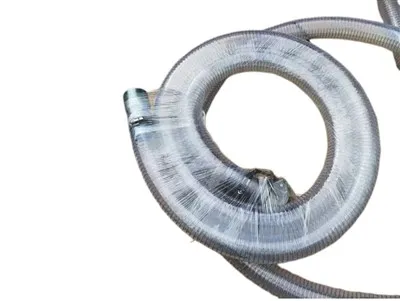
First off, let’s start with the basics that so many people sleep on before they even touch a pipe: pre-work checks. I can’t tell you how many times we’ve supplied a box of brand-new steel pipes to a crew, only to get a call an hour later saying “we found a dent and a pinhole in a couple” or “the pipe’s got rust spots we can’t see from the outside.” Wait—why didn’t you check the shipment when it arrived? That’s the first safety mistake right there. Damaged pipes don’t just look bad—they’re ticking time bombs. A pinhole in a gas line means you’ve got a leak before you even turn the valve on, and a dent can weaken the pipe wall so it fails under pressure when you least expect it. When you unload our pipes (or any supplier’s, for that matter), do a quick visual: run your gloved hand along the length of every pipe to feel for dents, scratches, or even odd bulges. And if it’s a coated pipe? Check that the coating’s intact—cracks there mean corrosion can start from the inside out, way before you notice it. Also, make sure you’re grabbing the right pipe for the job. We see guys grab a black steel pipe for a high-pressure natural gas line when they should be using a schedule 40 stainless steel one. That’s not just a minor mix-up—different pipes are rated for different pressure levels, and using the wrong one is a safety hazard waiting to happen. We always label our shipments clearly, but double-check the specs yourself; don’t assume the supplier got it right 100% of the time.
Next up, when you’re cutting and threading pipes—this is where a lot of folks rush and make mistakes. Cutting a gas pipe isn’t like cutting a PVC pipe for a drain line. If you use a torch to cut steel pipe, you’ve got two big issues: first, you can ignite residual gas that might be trapped inside, even if you think you bled the line. Second, the heat from the torch can warp the pipe end, which means your threads won’t seal right, and you’ll get a leak later. Our recommendation? Use a pipe cutter—they’re cheap, they give you a clean, straight cut, and you don’t have to mess with open flames. Now, threading the pipe: when you’re using a pipe threader, make sure you’re using the right die for the pipe size. Too big or too small a die, and your threads will be messed up. Also, stop every few turns when threading and check the fit—if the pipe’s hard to thread, don’t force it. Forcing a thread can crack the pipe or strip the threads, which is another leak waiting to happen. And no, don’t use Teflon tape as a replacement for pipe dope—Teflon tape works for low-pressure water lines, but for gas, pipe dope is non-negotiable. It’s formulated to withstand gas pressure and seal the threads properly. We sell both, obviously, but we always remind guys: Teflon tape is a helper, not a replacement.
Speaking of leaks—you have to test for them, and not just a quick sniff. A lot of us can smell natural gas (it smells like rotten eggs, right? Thanks, utility companies for adding that stench) but if there’s a small leak that’s just strong enough to seep through a bad thread but not strong enough for your nose to pick up? That’s how fires start. The right way to test for leaks is a soapy water solution. Mix up a bottle of dish soap and water—roughly a 50/50 mix, it doesn’t have to be exact—and spray it on every joint, every connection, every valve. If you see bubbles forming? You’ve got a leak. That’s not a “we’ll fix it later” job. Tighten the joint a quarter turn, test again, if bubbles are still there, take the joint apart, clean the threads, reapply pipe dope, and put it back together. Don’t use old pipe dope, either—if it’s been sitting in the can for months, it’s dried out and won’t work. We tell our customers to buy a small can of pipe dope fresh for each job; it’s not that expensive, and it’s worth the peace of mind. Also, never use compressed air to test gas lines—compressed air can push dust and debris into the line, and if there’s a leak, it’s way harder to detect than with a liquid soap test.
Now, let’s talk about the big one that everyone fears: gas leaks and ignition. This isn’t just a jobsite thing—even if you’re doing a residential hookup, you have to treat gas lines like they’re lit even if the valve’s off. Never smoke near a gas line, obviously, and no lighters, matches, or even cell phones that can spark (wait, yeah, cell phones can spark in certain conditions—don’t take chances). If you smell gas, the first thing to do is get everyone clear of the area, don’t flip any light switches, don’t start a car in the driveway, and call the gas company immediately. Don’t try to find the leak yourself if it’s a big one—we’ve seen guys crawl under a house with a flashlight to find a leak, and that’s a disaster waiting to happen. Also, when you’re working on a gas line, make sure the area is well-ventilated. If you’re working in a basement or a utility closet, open a window or a door—gas is heavier than air, so it can pool in low spots and build up to explosive levels without you noticing. We actually include a little ventilation sticker on every one of our pipe boxes as a reminder, because we don’t want anyone forgetting that.
Wait, what about handling the pipes themselves? A lot of guys don’t think about this, but gas pipes are heavy. A 20-foot steel pipe can weigh 50 pounds or more, and if you’re not lifting it correctly, you can throw out your back or drop it on a foot. Wear steel-toe boots, obviously—if you’re not already, start now. And never lift a pipe alone if it’s longer than 10 feet. Get a buddy to help, or use a pipe dolly to move it around the jobsite. Dropping a pipe can crack the coating, bend the pipe, or even break a joint you already put together. We’ve had customers bring back bent pipes because they dropped them off a pickup truck, and those are useless for high-pressure jobs.
Also, let’s not forget about post-installation steps. Once the line’s in and tested, don’t just leave it there. Make sure any exposed pipes are supported properly—no hanging a 10-foot pipe from a single hanger, that’s going to cause it to sag over time, and sagging can lead to leaks. Also, label the line clearly. We supply label stickers for that, because if someone has to work on that area later, they need to know it’s a gas line, not a water line or an electrical line. Mark where the pipe runs on the wall or the floor—no one wants to hit a gas line with a drill later. That’s a common mistake in remodel jobs, and it’s so avoidable.
I should also mention that as a supplier, we’re not just here to send you pipes. If you’re ever unsure about a step—whether it’s cutting a pipe, testing a joint, or picking the right pipe for your project—hit us up. We don’t charge for quick advice, because we know that taking the time to ask the right question is way better than rushing and making a mistake. We’ve seen so many guys save a few bucks by cutting corners on safety supplies or steps, only to end up paying for a lot more later—for repairs, for fines, or worse, for an injury.
At the end of the day, working with gas pipes is all about not cutting corners. Every step we talked about—checking pipes when they arrive, using the right tools, testing for leaks, lifting correctly, labeling the line—none of them are hard, and none of them take that much extra time. But they make all the difference between a job that goes right and one that ends up being a disaster.
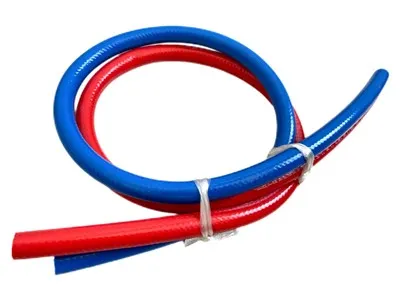
If you’re gearing up for a gas pipe project, whether it’s commercial, industrial, or residential, and you need the right, rated pipes, fittings, or safety supplies, reach out to us to talk through what you need. We’ll make sure you get exactly what you need, and we’re happy to walk you through any safety tips specific to your job. Don’t wait until something goes wrong—prep right, work safe, and you’ll be good to go.
Flexible PVC Hose References:
- U.S. Department of Labor Occupational Safety and Health Administration (OSHA) – Safety and Health Regulations for Construction, 29 CFR 1926.
- American Gas Association (AGA) – Safety Guidelines for Gas Pipe Installation and Maintenance.
- National Fire Protection Association (NFPA) – 54: Standard for the Installation of Gas Piping Systems.
- Pipeline and Hazardous Materials Safety Administration (PHMSA) – Gas Distribution Safety Standards.
Weifang Xinzhiyuan Plastic Co., Ltd.
As one of the most experienced gas pipe manufacturers and suppliers in China, we offer a wide range of products with superior quality. Please feel free to wholesale premium gas pipe made in China here from our factory. We also accept customized orders.
Address: No. 700, Tongle Street, Economic Development Zone, Changle County, Weifang City, Shandong Province
E-mail: hua@xzypvchose.com
WebSite: https://www.pvchose-xzy.com/
