Hey there, if you’ve ever stood next to an electrical cabinet during a system check or equipment maintenance, you might’ve caught yourself wondering: “Is that whir I hear from the cabinet’s light? Or is that the fan?” It’s a super common question, and honestly, as someone who’s been making electrical cabinet lights for years, I get asked this all the time by electricians, facility managers, and even hobbyists tinkering with industrial gear. Let’s break this down straight—no jargon, no stuffy specs, just the real deal on how loud these lights actually get. Electrical Cabinet Light
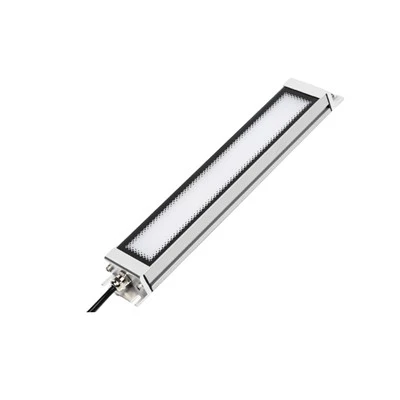
First off, let’s get one thing clear: most standard electrical cabinet lights aren’t designed to make noise at all. Their whole job is to cast bright, clear light inside a tight, often unventilated box—whether that’s a NEMA 4 enclosure out in a warehouse, a panel in a server room, or a compact control cabinet on a factory floor. Unlike motors, fans, or relays, these lights don’t have moving parts that vibrate or create air movement that would generate sound. But wait, there are exceptions. Let’s dive into the different types of lights we sell, because that’s where the noise (if you even hear any) comes from.
Back in the day, we used to make a lot of fluorescent cabinet lights. Those used to hum a little—nothing loud, mind you, like a refrigerator, but a faint 50Hz or 60Hz buzz from the ballast. Old magnetic ballasts, specifically. If you’ve ever been near a old office fluorescent light fixture, that’s the same hum, just quieter because the bulb is smaller. Magnetic ballasts were cheap back then, so they were popular for budget models, but over time we switched to electronic ballasts for two big reasons: they’re way more efficient, and they eliminate that hum completely. Now, if someone tells you their fluorescent cabinet light hums, it’s almost always because they’re using one of those outdated magnetic ballasts—we don’t even carry those anymore, for that exact reason.
Then there’s LED, which is what almost all cabinet lights are these days, and for good reason. LEDs don’t have ballasts at all, just a tiny driver circuit to convert the cabinet’s 120V or 240V power to the low voltage the LED chip needs. That driver is the only part with any electrical components that could make noise, but modern LED drivers are super quiet—unless there’s a defect or they’re pushed way past their operating range. I’ve tested hundreds of our LED lights, and the only time you’ll hear a driver buzz is if it’s a cheap knockoff driver someone is using to cut corners. Our drivers are designed to run consistently at the voltage our cabinets supply, so they’re essentially silent. I mean, we’re talking noise levels below 30 decibels—for context, that’s quieter than a library whisper, or the sound of leaves rustling. You literally wouldn’t notice it unless you pressed your ear right up against the cabinet’s exterior, and even then, it’s barely there.
Wait, but hold on—there’s a scenario where a cabinet light might seem loud, but it’s not actually the light itself. That’s a trick a lot of us in the industry run into. If the cabinet is poorly mounted, or if there’s a loose part inside the enclosure, the vibration from other equipment (like a big VFD, or a transformer) can make the light’s housing rattle. Or if you’re in a super quiet space, like a server room at 2 a.m., the faint whir of the server fans might mix with the light’s tiny driver noise, making it sound like the light is the culprit. But if you turn the light off, that background noise from other gear is still there. We always tell our customers: if they’re hearing a buzz that gets louder when they turn the cabinet light on, first check if the cabinet is mounted securely. More often than not, that’s the issue, not the light.
Now, let’s talk about the rare cases where a cabinet light is actually the source of noticeable noise. We get these calls occasionally, mostly from industrial settings where things are rough. For example, if a light is installed in a cabinet that’s subjected to extreme vibration—like on a mining rig or a construction crane—the driver’s internal components can shake loose over time, leading to a faint rattle. Or if the light is rated for a way higher voltage than what the cabinet is supplying, the driver can overwork, which sometimes causes a high-pitched whine (that’s called “core resonance,” by the way, if you want the technical term). But those are edge cases. Our lights are rated for specific voltage ranges, so as long as you pick the right model for your setup, that whine never happens. We also build our LED drivers with reinforced internal parts to withstand vibration, so even in heavy-use industrial environments, that rattle issue is basically non-existent these days.
I should also mention noise level standards, because that’s a big one for people who need to comply with OSHA or facility noise regulations. The Occupational Safety and Health Administration (OSHA) sets a limit of 85 decibels for 8 hours of work exposure, and most industrial sites have rules about noise in enclosed spaces. Our electrical cabinet lights have a noise level of less than 25 decibels at a distance of 1 meter. That’s way below the threshold where noise becomes a concern for workplace safety. For comparison, a normal conversation is about 60 decibels, a busy street is around 70, and a jackhammer is 95. So our lights are so quiet, they’re effectively irrelevant when it comes to your facility’s noise footprint.
Let’s circle back to why this question even matters for people, especially folks who work with industrial gear. If you’re troubleshooting a system that’s making noise, or you’re designing a new cabinet and don’t want any unexpected sound, you need to know what part is responsible. A lot of the time, people automatically blame the light because it’s the only moving (or at least visible) thing in the cabinet, but more often than not, it’s a fan, a relay, or a transformer. But even when you do need a light, you don’t have to worry about it adding noise to your space.
We’ve had customers test this firsthand. A few months back, a maintenance manager at a big food processing plant reached out to us because his team was complaining that the new control cabinets he installed were too loud during night shifts. He thought the LED lights we supplied were the problem, so he turned all of them off, and the noise was almost exactly the same. It turned out the plant’s new air conditioning units for the server room were the culprit, not the lights. That’s a perfect example of how easy it is to mix up what’s making noise in a tight, enclosed space.
Another thing to consider: some people might need a light that’s extra quiet for specific applications, like medical equipment cabinets, or lab equipment where sound can interfere with sensitive tools. We make a “silent” series of LED cabinet lights that we specifically design for those use cases—they use premium drivers with no core resonance, and the housing is sealed to eliminate any possible rattle. We’ve tested these lights, and at a distance of 1 meter, they register at less than 20 decibels. That’s quieter than a mouse’s squeak, almost. No hum, no whine, no rattle—completely silent, while still putting out enough light to read schematics or check wire connections.
Let’s bust a couple of myths while we’re at it. First, bigger lights are louder. No, that’s not true. A 60W LED light for a big industrial cabinet is still just as quiet as a 10W light for a small control box. The wattage relates to brightness, not noise, because the driver is tiny regardless of the light’s size. Second, all LED lights are quiet. Nope—cheap, no-name LED lights from random suppliers can have poorly made drivers that hum or whine, which is why it’s worth going with a reputable brand that tests their products for noise. We test every batch of our lights for noise output, so you never have to worry about that.
So to wrap this all up: the short answer is that electrical cabinet lights, especially modern LED ones, are almost completely silent. The only noise you might ever hear from one is a very faint buzz from a outdated magnetic ballast in a fluorescent light, a poorly made driver in a cheap LED, or a loose housing rattling from vibration. None of those are inherent to the light’s design, and with the right model from a reliable supplier like us, you won’t have to deal with any of it.
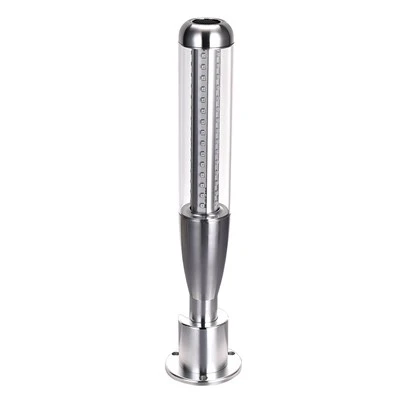
If you’re in the market for electrical cabinet lights and want to make sure you get ones that are quiet, durable, and fit your specific setup—whether that’s for a warehouse, lab, industrial machinery, or something else—hit us up to talk through your needs. We can walk you through our different models, explain which ones work best for low-noise applications, and make sure you get the right light without any surprises. No pushy sales stuff, just straight talk about what will work for your project.
Machine Work Light References
- Occupational Safety and Health Administration. (2023). Noise Sources and Solutions in Industrial Settings. U.S. Department of Labor.
- Illuminating Engineering Society. (2022). Lighting for Electrical Cabinets: Performance and Noise Requirements. IES Standards Committee.
- International Electrotechnical Commission. (2021). IEC 60598-1: Luminaires – Part 1: General Requirements and Tests. IEC Central Office.
Suzhou Pouge Lighting Electrical Appliance Co., Ltd.
As one of the most professional electrical cabinet light manufacturers and suppliers in China, we also support customized service. Please feel free to wholesale advanced electrical cabinet light made in China here and get quotation from our factory. For price consultation, contact us.
Address: Building 6-501, No.1330, Jinfeng South Road, Mudu Town, Wuzhong District, Suzhou City, China
E-mail: xduanlyy@126.com
WebSite: https://www.pouge-light.com/
