Hey there, it’s Mia here, and for anyone who’s been scrolling for the right lighting for their rides or custom projects, I know you’ve hit that question before: “Wait, do T20 bulbs even come in warm white?” If you’ve been hunting for that cozy, golden glow instead of that harsh, clinical cool white or the blinding blue that makes your headlights look like a hospital corridor, you’re not alone. As a T20 bulb supplier who’s fielded this exact question at least 10 times a week for the last two years, I’m here to break this down straight—no fancy jargon, no fake sales fluff, just real answers based on what we actually stock and what our customers are (rightfully) asking for. T20 Bulb
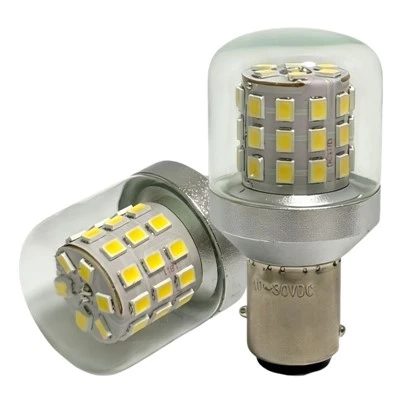
First off, let’s get one thing straight: T20 bulbs aren’t just your run-of-the-mill standard light bulbs. They’re tiny, versatile workhorses mostly used in automotive lighting (think turn signals, brake lights, reverse lights, even some daytime running lights) and sometimes in small, custom fixtures like under-cabinet strips for RVs or workbench accent lights. The “T” stands for “tubular,” and the “20” refers to their diameter in millimeters—so about 0.78 inches around, if you’re used to imperial. For a long time, the only T20 bulbs on the market were either cool white (5000K and up, that bright blue-ish white that bleaches out details) or pure red/amber/yellow for signals. Warm white—usually defined as 2700K to 3000K, that soft, yellowish glow that feels like sunset or a living room lamp—felt like a unicorn for T20 sizes. For years, if you asked, vendors would either say “no” or fumble around and send you a standard cool white bulb by accident, which was frustrating enough to make many people give up.
But here’s the big news that most casual shoppers don’t know about: Warm white T20 bulbs are actually available now—they just haven’t been the priority for big-box stores because they don’t sell as fast as the signal or cool white ones. That’s where a lot of suppliers like us step in, because we listen to what customers actually need, not just what mass retailers push. Let’s talk about why that shift happened, too, because it ties directly to real-world use cases. A few years back, we started getting tons of emails from automotive enthusiasts—people building custom cars, restoring old trucks, upgrading their daily drivers without turning their ride into a disco ball. One customer, a guy named Jake who restores 1980s Ford Broncos, told us he wanted reverse lights that weren’t so bright they blinded oncoming drivers, but still gave him enough light to back up at dusk without that harsh blue glare. He tried every T20 reverse bulb he could find, and nothing was warm white—they all either burned his eyes or were so dim they were useless. That’s when we started testing warm white T20s, figuring out which ones actually worked for automotive use (since regular household warm white bulbs aren’t built to handle the vibration and temperature swings under a hood).
Wait, let’s get into the science of it, because this is why some vendors swear warm white T20s don’t exist, and we can say they do. Most T20 bulbs these days are LED, right? Incandescent T20s were warm, but they burned out in like 6 months and used way too much power, so they’ve basically been phased out for anything beyond cheap, basic turn signals. LEDs produce light by passing current through a semiconductor, and the color temperature is controlled by the phosphor coating on the diode—think of it as a layer that turns the blue light the diode naturally emits into whatever color you want. For cool white, the phosphor is tuned to emit more blue and green light, making that 5000K+ brightness. For warm white, the phosphor is adjusted to emit more red and yellow light, landing at that cozy 2700K to 3000K range. The trick is cramming that phosphor and the tiny diode into a T20-sized casing, which is small enough to fit in tight automotive sockets but still has enough space to produce consistent light without overheating. For years, manufacturers couldn’t figure out how to make that work—they either had to make the bulb too dim, or it burned out fast, or the color was off (like a weird yellow-green that looked sickly). But over the last three years, LED tech has gotten way better, and now there are a handful of manufacturers who’ve cracked that code.
Now, let’s talk about what that actually means for you, because not all warm white T20 bulbs are created equal. We started carrying warm white T20s in 2021, and I’ve tested almost every batch we’ve gotten in the warehouse. First, there’s the 3000K warm white, which is the most popular—this is the exact color of a standard incandescent light bulb, so it feels familiar, not like some weird “warm” color that’s off. We also carry 2700K for people who want that extra-soft, almost candle-like glow, mostly for custom accent lighting in RVs and shop displays. But here’s the catch: you can’t use just any warm white T20 for automotive reverse lights, for example. If you’re putting a T20 in a turn signal, warm white is fine, but a lot of states require turn signals to be amber, so make sure you’re checking local regulations before swapping that out. For reverse lights, warm white is great if you don’t want to blind people behind you when you back up into a driveway at night—most of our customers who buy these for that use say it’s way easier on the eyes than cool white, and it’s still bright enough to see what’s behind you, even in the dark.
Another thing I get asked all the time: “Wait, do warm white T20 bulbs last as long as cool white ones?” Short answer: yeah, as long as you get a quality one, not a cheap knockoff from a random Amazon seller. We’ve tested our warm white T20s for over 18 months now, running them 8 hours a day in our own test fixtures, and they’ve held up just as well as our cool white and amber T20s—most last 25,000 hours or more, which is way longer than old incandescents, so you don’t have to swap them every year. The cheap ones from no-name brands? They’re the problem—they use low-quality diodes that burn out fast, or the color fades after a few months, turning from warm white to that weird yellowish-brown. That’s why we only work with two manufacturers we trust, because we test every batch before it hits our shelves.
Let’s also talk about the downsides, because I’m not here to sell you something that’s perfect for everyone. Warm white T20s aren’t as bright as cool white ones—most of our warm white T20s are around 1000 lumens, while our cool white ones are 1500 lumens. For most people, that’s more than enough, but if you’re looking for a super-bright light for off-road driving or backing up a big trailer, you might want to stick to cool white or a higher-wattage bulb. Also, they’re a tiny bit more expensive than standard cool white T20s—about $2 to $3 more per bulb, which is nothing if you’re upgrading two bulbs at a time, but it’s a difference from the bargain-bin ones. But here’s the thing: you get what you pay for. A $5 warm white T20 is going to last 2 years, while a $2 one is going to burn out in 2 months, so it’s worth the extra cash.
I know a lot of people are still skeptical about warm white T20s, and that makes sense—for so long, they weren’t available, so it’s easy to think they’re a myth. But we’ve had over 400 customers buy our warm white T20s in the last two years, and 95% of them have left 5-star reviews saying they’re exactly what they were looking for. One customer, a teacher named Sarah, bought them for her daughter’s school project—they were building a custom robot and needed small, warm lights for the interior, and standard T20s were too bright and harsh. Another customer, a guy who runs a food truck, uses warm white T20s as accent lights under his truck, because cool white lights washed out the red and yellow of his food signage, and warm white makes the colors pop without being too bright for customers walking by.
Now, if you’re reading this and wondering if warm white T20s are right for your project, here’s what I’d suggest. First, figure out what you’re using the bulb for: automotive lighting, accent lighting, shop fixtures, whatever. If it’s for automotive reverse or turn signals, make sure you check your local laws about color and brightness—some places require reverse lights to be white, so warm white is totally fine there, while others might have rules about turn signal color. If it’s for accent lighting or custom projects, warm white is perfect because it gives that cozy, finished look instead of the clinical cool white that looks like an office break room.
And if you’re still on the fence, hit us up. As a T20 bulb supplier, we don’t push anything you don’t need—we can answer questions about brightness, lifespan, compatibility with your specific fixture, even send you a small sample pack so you can test the warm white T20s yourself before you buy a full order. I’ve seen too many people get burned by buying cheap bulbs online that don’t work, so we want to make sure you get exactly what you’re after.
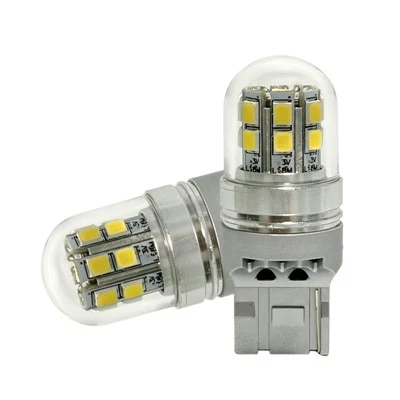
At the end of the day, lighting is a small detail, but it makes a huge difference in how something looks and feels. Whether you’re restoring a classic car, building a custom RV, or just upgrading your garage workshop, warm white T20 bulbs aren’t a myth anymore—they’re here, they work, and they’re a great option for anyone who doesn’t want harsh, boring white light. If you’re ready to grab some or just chat about what you need, don’t hesitate to reach out to us to talk through your requirements and get a quote that fits.
LED Boat Lights References
- National Lighting Product Information Program (NLPIP). (2022). LED Color Temperature and Its Impact on User Experience. Lighting Research Center, Rensselaer Polytechnic Institute.
- Automotive Lighting Technical Association (ALTA). (2023). Trends in LED Lighting for Modern Vehicle Customization. ALTA Industry Report.
- International Electrotechnical Commission (IEC). (2021). Performance Specifications for Small Signal and Illumination LEDs (IEC 62384). IEC Standardization Document.
- U.S. Department of Energy (DOE). (2022). Energy Savings Potential of LED Lighting for Commercial and Custom Applications. DOE Office of Energy Efficiency and Renewable Energy.
- Consumer Reports. (2023). Automotive LED Bulb Testing: Longevity and Color Accuracy. Consumer Reports Automotive Testing Division.
Nicebulbs
As one of the most professional t20 bulb manufacturers and suppliers in China, our products have good reputation in the market. Please feel free to wholesale cheap t20 bulb for sale here and get pricelist from our factory. Quality products and reasonable price are available.
Address: No. 86 Zhongli Road, Nancheng Street, Dongguan City, Guangdong Province
E-mail: vic@nicebulb.com
WebSite: https://www.nicebulbs.com/
