Hey there! As a carbon steel strip supplier, I often get asked about the purpose of passivating carbon steel strip. So, I thought I’d take a few minutes to break it down for you. Carbon Steel Strip
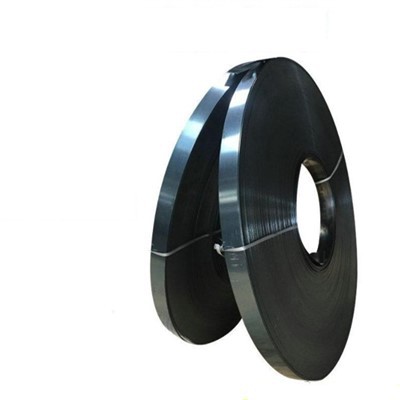
First off, let’s talk about what carbon steel strip is. Carbon steel is a type of steel that contains carbon as the main alloying element. It’s known for its strength, durability, and versatility, which makes it a popular choice for a wide range of applications, from construction and automotive to manufacturing and electronics.
Now, let’s get into the nitty-gritty of passivation. Passivation is a chemical process that involves treating the surface of carbon steel strip with a chemical solution to create a protective layer. This layer helps to prevent corrosion and rusting, which can significantly extend the lifespan of the steel strip.
One of the main purposes of passivating carbon steel strip is to improve its corrosion resistance. When carbon steel is exposed to oxygen and moisture, it can start to rust. Rust not only looks unsightly but can also weaken the steel, making it more prone to failure. By passivating the steel strip, we can create a barrier that prevents oxygen and moisture from reaching the surface of the steel, thus reducing the risk of rusting.
Another benefit of passivation is that it can enhance the appearance of the carbon steel strip. A passivated surface is smoother and more uniform, which can give the steel a more professional and polished look. This is especially important for applications where the appearance of the steel is a factor, such as in architectural or decorative applications.
Passivation can also improve the performance of the carbon steel strip in certain applications. For example, in the food and beverage industry, passivated steel is often used because it is resistant to corrosion and does not contaminate the food or beverage products. In the medical industry, passivated steel is used for surgical instruments because it is non-reactive and does not cause allergic reactions.
So, how does the passivation process work? Well, it typically involves cleaning the surface of the carbon steel strip to remove any dirt, oil, or other contaminants. Then, the steel strip is immersed in a chemical solution, usually a mixture of nitric acid and water. The solution reacts with the surface of the steel to form a thin, protective layer of chromium oxide. This layer is what provides the corrosion resistance and other benefits of passivation.
It’s important to note that passivation is not a one-time process. Over time, the protective layer can wear off, especially if the steel strip is exposed to harsh environments or chemicals. That’s why it’s important to periodically re-passivate the steel strip to maintain its corrosion resistance.
As a carbon steel strip supplier, I can provide you with high-quality passivated carbon steel strip that meets your specific requirements. Whether you need a small quantity for a DIY project or a large quantity for a commercial application, I’ve got you covered.

If you’re interested in learning more about passivated carbon steel strip or have any questions, feel free to reach out to me. I’d be happy to discuss your needs and provide you with a quote. Don’t hesitate to contact me for all your carbon steel strip needs.
Carbon Steel Bar References:
- ASM Handbook, Volume 13A: Corrosion: Fundamentals, Testing, and Protection
- NACE International: Corrosion Basics
Shanxi Midas Industrial Co., Ltd.
We’re known as one of the most professional carbon steel strip manufacturers and suppliers in China. With abundant experience, we warmly welcome you to buy cheap carbon steel strip made in China here from our factory. For price consultation, contact us.
Address: 28th, Huanqiu Jinrong Zhongxin, Xieyuan Road, Changfeng Business District, Taiyuan City, Shanxi Province, China
E-mail: midassteel@163.com
WebSite: https://www.midassteel.com/
