Hey there! I’m a supplier of Energy Storage Systems (ESS), and I’ve been in this game for quite a while. Over the years, I’ve seen a lot of changes in the industry, and I’ve learned a thing or two about what it takes to have a top – notch commercial Energy Storage System. So, in this blog, I’m gonna share with you the key requirements for a commercial ESS. Energy Storage System

Capacity and Scalability
First off, capacity is super important. A commercial Energy Storage System needs to have enough capacity to meet the specific energy demands of the business. You know, different businesses have different energy needs. A small office building might not need as much storage as a large manufacturing plant.
We usually measure the capacity of an ESS in kilowatt – hours (kWh). The higher the kWh rating, the more energy the system can store. When choosing an ESS, you gotta figure out how much energy your business uses during peak and off – peak hours. This will help you determine the right capacity.
Scalability is also crucial. As your business grows, your energy needs are likely to increase. So, you want an ESS that can be easily scaled up. This means that you can add more storage modules or batteries to the system without too much hassle. It’s like building with Lego blocks. You can keep adding pieces as you need more space.
Efficiency
Efficiency is another big factor. An efficient ESS can store and release energy with minimal losses. We measure efficiency in terms of round – trip efficiency, which is the ratio of the energy output to the energy input. A high – efficiency ESS will have a round – trip efficiency of around 80% or more.
There are a few things that can affect the efficiency of an ESS. The type of battery technology used is a major one. For example, lithium – ion batteries are known for their high efficiency compared to some other types of batteries. The design of the system also matters. A well – designed ESS will have proper thermal management and electrical connections to reduce energy losses.
Safety
Safety is non – negotiable when it comes to commercial Energy Storage Systems. These systems store a large amount of energy, and if something goes wrong, it can be really dangerous.
One of the main safety concerns is thermal runaway. This is when the temperature of the battery rises uncontrollably, which can lead to a fire or explosion. To prevent this, ESSs need to have proper thermal management systems. This can include things like cooling fans, heat sinks, and thermal insulation.
Another safety aspect is electrical safety. The system should have proper insulation and protection against short circuits and over – currents. It should also be designed to prevent electrical shocks to anyone who comes into contact with it.
Durability and Lifespan
A commercial ESS is a big investment, so you want it to last. Durability is all about how well the system can withstand the wear and tear of daily use. The batteries in the ESS are a key component, and they need to be able to handle multiple charge – discharge cycles without losing too much capacity.
The lifespan of an ESS is usually measured in terms of the number of charge – discharge cycles it can handle. A good quality ESS should be able to last for at least 5,000 to 10,000 cycles. This means that you can use the system for many years without having to replace the batteries frequently.
Compatibility and Integration
In today’s complex energy landscape, a commercial ESS needs to be compatible with other energy systems. This includes things like solar panels, wind turbines, and the electrical grid.
If you have a solar power system, for example, your ESS should be able to store the excess energy generated by the solar panels during the day and release it when needed. It should also be able to work in harmony with the electrical grid. This means that it can either draw energy from the grid when it’s cheap or feed energy back into the grid when there’s a surplus.
Integration is also important. The ESS should be easy to integrate into your existing electrical infrastructure. This might involve working with an electrician or an energy engineer to make sure that everything is set up correctly.
Cost – Effectiveness
Let’s talk about money. Cost – effectiveness is a major consideration for any business. When evaluating an ESS, you need to look at the upfront cost as well as the long – term operating costs.
The upfront cost includes the cost of the equipment, installation, and any necessary permits. However, you also need to consider the long – term savings. An ESS can help you reduce your energy bills by storing energy during off – peak hours and using it during peak hours when electricity is more expensive. It can also provide backup power in case of a power outage, which can save you a lot of money in lost productivity.
Monitoring and Control
A good commercial ESS should have a reliable monitoring and control system. This allows you to keep an eye on the performance of the system in real – time. You can monitor things like the state of charge of the batteries, the energy flow, and the temperature.
The control system also allows you to manage the operation of the ESS. You can set up rules for when the system should charge and discharge, based on factors like the time of day and the energy prices. This helps you optimize the use of the system and get the most out of it.
Regulatory Compliance
Last but not least, a commercial ESS needs to comply with all the relevant regulations. These regulations can vary depending on the location and the type of business.
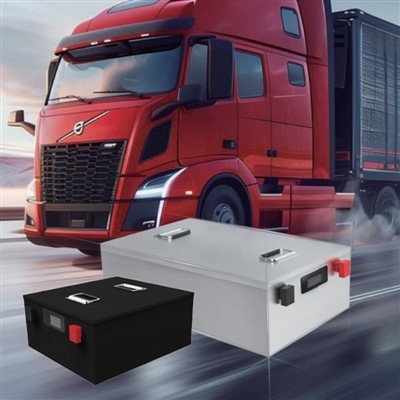
There are regulations related to safety, environmental impact, and grid connection. For example, some areas have strict rules about the disposal of batteries to prevent environmental pollution. You need to make sure that your ESS meets all these requirements to avoid any legal issues.
EV Charger In conclusion, a commercial Energy Storage System needs to meet a variety of requirements to be successful. From capacity and efficiency to safety and cost – effectiveness, every aspect plays a crucial role. If you’re in the market for an ESS, I’d be more than happy to help you find the right system for your business. Whether you’re a small startup or a large corporation, we’ve got solutions that can meet your energy storage needs. Don’t hesitate to reach out to me for a consultation and let’s start talking about how we can make your energy storage dreams a reality.
References
- "Energy Storage Handbook"
- "Advanced Battery Technologies for Energy Storage"
- Industry reports on commercial energy storage systems from market research firms.
Shandong Yaoqian Energy Storage International Trade Co., Ltd.
We’re well-known as one of the leading energy storage system manufacturers and suppliers in China, featured by quality products and good price. Please rest assured to buy customized energy storage system made in China here from our factory.
Address: Lithium Battery Industrial Park, Xingcheng Street, Zaozhuang High-tech Zone, Shandong Province, China
E-mail: boss@yaoqiansmart.com
WebSite: https://www.yaoqiansmart.com/
