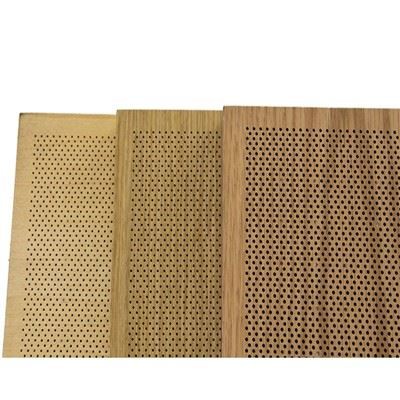
Wood wool panels, a remarkable building material, have gained significant popularity in recent years due to their unique properties and eco – friendly nature. As a supplier of wood wool panels, I am often asked about their origin. In this blog post, I will delve into the history, development, and the journey of wood wool panels to their current status in the construction industry. Wood Wool Panels
Early Beginnings
The story of wood wool panels dates back to the late 19th century. The concept of using wood fibers in a panel form was initially explored as a way to make use of wood waste. At that time, the industrial revolution was in full swing, and there was a large amount of wood scraps and waste from sawmills. Inventors and researchers were looking for innovative ways to repurpose these materials.
The first attempts at creating wood – based panels involved compressing wood fibers together. However, these early experiments faced many challenges. The bonding agents were not effective, and the panels lacked the necessary strength and durability. It was during this period that the idea of using long, thin wood strands, similar to wool, emerged. These wood strands, or wood wool, were found to have better interlocking properties compared to short fibers, which could potentially lead to stronger panels.
The Invention of Wood Wool
The actual invention of the process to produce wood wool is credited to Carl H. Koller, an Austrian engineer, in the late 1880s. Koller developed a machine that could cut thin, long strands of wood from logs. These strands resembled wool, hence the name “wood wool”. The process involved feeding a log into a machine with a rotating blade that shaved off the wood in a continuous, thin strip.
The initial use of wood wool was mainly for packaging and cushioning. Its soft, flexible nature made it an ideal material to protect fragile items during transportation. However, as people began to recognize the unique properties of wood wool, such as its high insulation value and fire – resistance, the idea of using it in construction started to take shape.
Development of Wood Wool Panels
The transition from wood wool as a packaging material to wood wool panels for construction took several decades. In the early 20th century, researchers began experimenting with different bonding agents to hold the wood wool strands together in a panel form. The first bonding agents used were simple adhesives such as starch and glue. These early wood wool panels were relatively weak and had limited applications.
As the chemical industry advanced, more sophisticated bonding agents were developed. Synthetic resins, such as urea – formaldehyde and phenol – formaldehyde, were introduced in the 1930s and 1940s. These resins provided much stronger bonds between the wood wool strands, resulting in panels with improved strength, durability, and moisture resistance.
During the mid – 20th century, the construction industry was booming, and there was a growing demand for sustainable and energy – efficient building materials. Wood wool panels, with their natural insulation properties, became an attractive option. They were used for interior wall linings, ceiling panels, and even as insulation in some cases.
Expansion and Modernization
In the latter half of the 20th century, wood wool panel production expanded globally. Manufacturers in Europe, North America, and Asia started to produce wood wool panels on a larger scale. With the development of new manufacturing technologies, the production process became more efficient, and the quality of the panels improved significantly.
Today, modern wood wool panels are produced using advanced machinery and high – quality bonding agents. The panels are available in various sizes, thicknesses, and densities to meet different construction requirements. They are also treated with fire – retardant and anti – fungal agents to enhance their performance in different environments.
Environmental Benefits and Sustainability
One of the key factors contributing to the popularity of wood wool panels in recent years is their environmental friendliness. Wood is a renewable resource, and the production of wood wool panels makes use of wood waste, reducing the amount of timber that needs to be harvested. Additionally, wood wool panels have a relatively low carbon footprint compared to other building materials such as concrete and steel.
The natural insulation properties of wood wool panels also contribute to energy efficiency in buildings. By reducing heat transfer through walls and ceilings, they can help to lower heating and cooling costs, which in turn reduces the overall energy consumption of a building.
Applications in the Construction Industry
Wood wool panels have a wide range of applications in the construction industry. They are commonly used for interior wall and ceiling finishes due to their aesthetic appeal. The natural texture of the wood wool gives a warm and inviting look to any space.
In addition to their decorative use, wood wool panels are also used for acoustic insulation. The porous structure of the panels helps to absorb sound waves, reducing noise levels in a room. This makes them ideal for use in auditoriums, theaters, and offices where good acoustics are required.
Wood wool panels can also be used as insulation in roofs and walls. Their high thermal resistance helps to keep buildings warm in the winter and cool in the summer. They are also lightweight, which makes them easy to install and reduces the overall load on the building structure.
Why Choose Our Wood Wool Panels
As a supplier of wood wool panels, we take pride in offering high – quality products that meet the highest standards. Our wood wool panels are made from sustainably sourced wood and are produced using the latest manufacturing technologies. We offer a wide range of panel sizes and thicknesses to suit different construction needs.
Our panels are not only strong and durable but also have excellent insulation and acoustic properties. We also provide customized solutions for our customers, ensuring that they get the right product for their specific project.
If you are in the construction industry and are looking for a sustainable, high – performance building material, our wood wool panels are the perfect choice. Whether you are working on a residential, commercial, or industrial project, our panels can help you achieve your goals in terms of energy efficiency, aesthetics, and functionality.
Conclusion
The origin of wood wool panels is a fascinating journey that spans over a century. From their humble beginnings as a way to repurpose wood waste to their current status as a popular and sustainable building material, wood wool panels have come a long way.
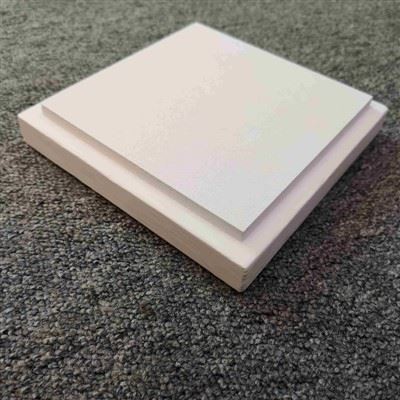
As a supplier, we are committed to providing our customers with the best quality wood wool panels. We believe that these panels have a bright future in the construction industry, and we are excited to be a part of this growing market.
PET Acoustic Panels If you are interested in learning more about our wood wool panels or would like to discuss a potential purchase, please feel free to reach out to us. We look forward to the opportunity to work with you on your next project.
References
- “Wood – Based Composites: Materials, Manufacturing, and Applications” by R. Rowell, J. Han, and J. Youngquist.
- “History of Building Materials” by J. Ashurst and D. Dimes.
- Industry reports on sustainable construction materials.
Guangzhou MQ Acoustic Materials Co., Ltd.
Guangzhou MQ Acoustic Materials Co., Ltd. is one of the most professional wood wool panels manufacturers and suppliers in China, featured by quality products and low price. Welcome to buy CE approved wood wool panels in stock here and get quotation from our factory. We also accept customized orders.
Address: Room D403, KeZhu Business Building, ZhuJi Road, TianHe District, GuangZhou, China
E-mail: Lizzy@mq-acoustics.com
WebSite: https://www.acoustic-projects.com/
