Can a lower ball joint cause a vehicle to have a jerky motion? Lower Ball Joint
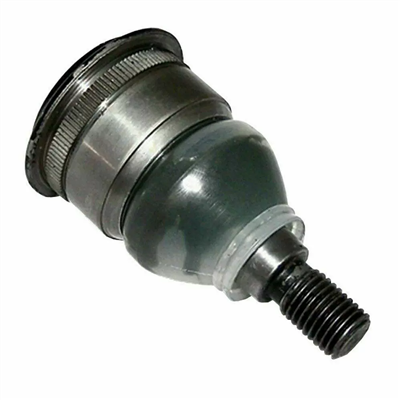
As a supplier of lower ball joints, I’ve encountered numerous inquiries from customers about the impact of these components on vehicle performance. One common question that often arises is whether a lower ball joint can cause a vehicle to have a jerky motion. In this blog post, I’ll delve into the science behind lower ball joints, explain how they can contribute to a jerky ride, and offer insights into addressing this issue.
Understanding Lower Ball Joints
Before we explore the relationship between lower ball joints and jerky motion, it’s essential to understand what these components are and how they function. Lower ball joints are critical parts of a vehicle’s suspension system, connecting the control arm to the steering knuckle. They allow for smooth movement and rotation between these two components, enabling the wheels to turn and the suspension to absorb shocks.
Lower ball joints are designed to withstand significant stress and wear, but over time, they can deteriorate due to factors such as normal use, road conditions, and lack of maintenance. When a lower ball joint begins to fail, it can have a profound impact on the vehicle’s handling and performance.
How Lower Ball Joints Can Cause Jerky Motion
A lower ball joint that is worn or damaged can cause a variety of issues, including a jerky motion while driving. Here’s how:
- Loose or Excessive Play: As a lower ball joint wears, it can develop loose or excessive play. This means that there is more movement between the control arm and the steering knuckle than there should be. When the vehicle is in motion, this extra play can cause the wheels to move erratically, resulting in a jerky ride.
- Inconsistent Movement: A worn lower ball joint may not provide consistent movement between the control arm and the steering knuckle. This can cause the wheels to turn unevenly, leading to a jerky or unstable feeling while driving.
- Alignment Issues: A failing lower ball joint can also cause alignment problems. When the ball joint is not functioning properly, it can affect the position of the wheels, causing them to be out of alignment. This can result in uneven tire wear and a jerky motion as the vehicle tries to compensate for the misalignment.
- Vibration and Noise: In addition to a jerky motion, a worn lower ball joint can also cause vibration and noise. You may feel a vibration in the steering wheel or the floorboard, or you may hear a clunking or rattling sound when going over bumps or making turns.
Signs of a Failing Lower Ball Joint
It’s important to be aware of the signs of a failing lower ball joint so that you can address the issue before it becomes a safety hazard. Here are some common signs to look out for:
- Jerky or Unstable Ride: As mentioned earlier, a jerky or unstable ride is one of the most common signs of a failing lower ball joint. If you notice that your vehicle is not driving smoothly or that it feels like it’s bouncing around, it could be a sign that the ball joints are worn.
- Uneven Tire Wear: A failing lower ball joint can cause uneven tire wear. If you notice that your tires are wearing more on one side than the other, it could be a sign that the ball joints are not functioning properly.
- Steering Wheel Vibration: You may feel a vibration in the steering wheel when driving. This can be a sign of a worn lower ball joint or other suspension issues.
- Clunking or Rattling Sounds: A clunking or rattling sound when going over bumps or making turns can indicate a problem with the lower ball joints. This sound is often caused by the loose or excessive play in the ball joint.
- Poor Handling: A failing lower ball joint can also affect the vehicle’s handling. You may notice that the vehicle is more difficult to steer or that it doesn’t respond as quickly as it should.
Addressing a Jerky Motion Caused by a Lower Ball Joint
If you suspect that a lower ball joint is causing your vehicle to have a jerky motion, it’s important to have it inspected by a qualified mechanic. The mechanic will be able to determine if the ball joint is worn or damaged and recommend the appropriate course of action.
In most cases, a worn lower ball joint will need to be replaced. Replacing a lower ball joint is a relatively straightforward process, but it does require some specialized tools and knowledge. It’s important to have the replacement done by a professional to ensure that it is installed correctly and that the vehicle’s suspension system is properly aligned.
In addition to replacing the lower ball joint, it’s also a good idea to have the vehicle’s suspension system inspected and serviced regularly. This can help prevent other suspension issues from developing and ensure that your vehicle is driving smoothly and safely.
The Importance of Quality Lower Ball Joints
As a lower ball joint supplier, I understand the importance of providing high-quality products. When it comes to lower ball joints, quality matters. A high-quality lower ball joint will be made from durable materials and designed to withstand the rigors of daily use. It will also be properly lubricated and sealed to prevent dirt and moisture from entering the joint, which can cause premature wear and failure.
Investing in quality lower ball joints can help ensure that your vehicle’s suspension system is functioning properly and that you have a smooth and safe ride. At our company, we take pride in offering a wide range of high-quality lower ball joints that are designed to meet the needs of different vehicles and applications.
Conclusion

In conclusion, a lower ball joint can cause a vehicle to have a jerky motion if it is worn or damaged. A failing lower ball joint can lead to loose or excessive play, inconsistent movement, alignment issues, and vibration and noise. It’s important to be aware of the signs of a failing lower ball joint and to have it inspected and replaced by a qualified mechanic if necessary.
Stainless Steel Ball Joint As a lower ball joint supplier, I’m committed to providing high-quality products and excellent customer service. If you’re experiencing a jerky motion in your vehicle or if you have any questions about lower ball joints, I encourage you to contact us. Our team of experts is here to help you find the right solution for your needs.
References
- Automotive Service Excellence (ASE). (n.d.). Suspension and Steering Systems. Retrieved from [ASE Website]
- Chilton’s Automotive Repair Manual. (n.d.). Suspension and Steering. Retrieved from [Chilton’s Website]
- Haynes Repair Manuals. (n.d.). Suspension and Steering. Retrieved from [Haynes Website]
Taizhou Huazhe Auto Parts Co., Ltd.
As one of the most professional lower ball joint manufacturers and suppliers in China, we’re featured by quality products and low price. Please rest assured to buy bulk high-grade lower ball joint in stock here from our factory. For pricelist, contact us now.
Address: No. 2828, Binkang Avenue, Sanjia Street, Taizhou Bay New Area, Taizhou City, Zhejiang Province
E-mail: 19906762800@163.com
WebSite: https://www.huazheindustry.com/
