If you’ve ever spent time around a tile or stone installation—whether for a kitchen backsplash, bathroom floor, or outdoor patio—you’ve probably heard the term “backer board” tossed around. But what exactly is it, and why is it so often the unsung hero of a durable, long-lasting tile job? As someone who’s spent the last 12 years supplying backer boards to contractors, tile setters, and DIYers across the Midwest, I’ve seen firsthand how confusing this material can be for people just starting out, or even for seasoned pros who might reach for the wrong product for a specific job. Let’s break it down simply, no fancy jargon, just real-world talk about why backer boards matter, what they’re made of, and how to pick the right one for your project. Backer Board

First, let’s get rid of the most common misconception: backer board is not drywall. I can’t tell you how many times a homeowner will walk into my warehouse, hold up a sheet of standard drywall, and ask, “Why can’t I just use this instead?” The answer boils down to moisture. Drywall is basically gypsum pressed between paper, and while it works great for interior walls that never see water, it absorbs moisture like a sponge. Leave a bathroom shower with drywall behind the tile, and within a year or two, that drywall will swell, crumble, and grow mold—turning what should be a simple reno into a mold remediation nightmare. Backer board is designed to handle exactly that kind of moisture, and that’s its whole job.
At its core, a backer board (sometimes called a cement backer board, or CBU for short—cementitious backer unit, if you want the technical term) is a rigid, moisture-resistant panel made to go between your wall studs, subfloor, or framing and your tile or stone. It acts as a stable, flat base that the tile adheres to, while also protecting the structure behind it from water damage, impact, and movement. Let’s dig into the main types of backer boards you’ll come across, because not all are created equal. The three most common varieties are cement backer board, fiber-cement backer board, and foam backer board, each with its own strengths, weaknesses, and best use cases.
Cement backer board is the OG—what most professionals have relied on for decades. It’s made of a Portland cement core, reinforced with fiberglass mesh on both sides, and coated in a tough, water-resistant outer layer. When I started in this business, this was the only thing we sold, and for good reason: it’s incredibly durable, can handle extreme moisture (like full shower walls and floors, steam rooms, and outdoor patios), and it’s stable—meaning it won’t warp or shift over time, even when exposed to temperature and humidity changes. That stability is key: tile itself is rigid, so if the base under it moves, the tile will crack. Cement backer board is heavy, though—we sell 3×5 foot sheets that weigh around 50 pounds each, so moving and cutting them is a two-person job for most people. Cutting them also produces a fine cement dust, so you need a respirator and eye protection to do it safely. That heaviness and dust is why some folks opt for other types these days, but cement backer board is still the go-to for high-moisture, high-impact projects.
Next up is fiber-cement backer board, which is kind of the middle child between traditional cement and foam. It’s made of cement mixed with cellulose or synthetic fibers, making it a little lighter than standard cement backer board—usually around 30 to 35 pounds for that same 3×5 sheet. It’s still super moisture-resistant and stable, so it works for showers and floors, but it cuts way easier than cement backer board. You can score it with a utility knife and snap it, like drywall, instead of having to use a wet saw or a cement cutter, which saves time and mess. The tradeoff? It’s not quite as impact-resistant as full cement, so it’s not the best for super high-traffic areas or places where heavy things might be dropped. It’s also a bit more expensive, which is a factor for folks working on a tight budget.
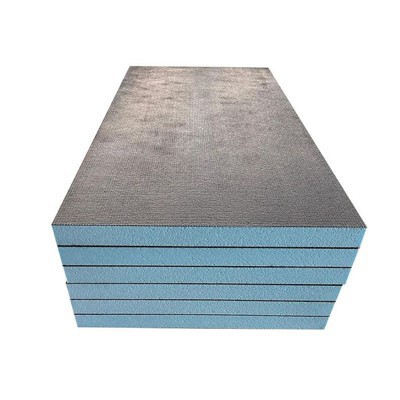
Then there’s foam backer board, the newest kid on the block, and one that’s grown a lot in popularity over the last 10 years. This is made of a closed-cell polystyrene foam core, with a thin fiberglass mesh and polymer coating on the sides. It’s lightweight—around 15 to 20 pounds a sheet—cuts easily with a utility knife, and is almost completely waterproof (though it’s not recommended for full shower walls, because the polymer coating can break down over constant direct water exposure). Foam backer board is perfect for low-moisture areas: bathroom walls that aren’t in the shower, kitchen backsplashes, laundry rooms, and small patio tiles that don’t get submerged. It’s also the cheapest option of the three, which makes it a hit with DIYers. The downside? It’s less stable than cement or fiber-cement, so it can’t be used for floor tile in areas that will get a lot of heavy foot traffic, and it’s not impact-resistant, so if you drop a sledgehammer on it, it’ll dent.
Now that you know what the main types are, let’s talk about the job backer board actually does, because that’s where a lot of mistakes happen. When you install tile, the adhesive (thinset, as we call it in the trade) needs something porous enough to grip onto, but rigid enough to hold the tile in place. If you don’t use backer board, and you just tile directly to studs or old drywall, two things go wrong. First, if there’s any moisture behind the tile—from a leaky shower pipe, or even just regular humidity—it will seep into the wall and rot the studs, or grow mold. Second, the stud or old drywall will flex a little when you step on the floor or bump the wall, and that flex will cause the tile to crack within a year or two. I’ve seen that so many times: a homeowner skips backer board to save a few bucks, and within 18 months, they’re re-tiling their entire bathroom because half the tiles are cracked and the drywall behind is soft. Backer board eliminates that flex and blocks moisture, so your tile job will last 20, 30, even 50 years if installed right.
Installation is almost as important as the backer board itself, and here’s where even experienced folks mess up. First, you always need to put a moisture barrier between the backer board and the framing, right? Especially in bathrooms and showers. That’s usually a sheet of plastic or a liquid-applied membrane that keeps any water that gets past the tile from hitting the studs. Then, when you install the backer board sheets, you leave a 1/8 inch gap between each sheet and around the edges, to let it expand and contract with temperature and humidity. If you butt the sheets tight together, they’ll swell and warp, creating a bump under your tile. And you have to use the right screws—backer board screws, which are sharp and designed to hold the panel to framing, not regular drywall screws. If you use drywall screws, they’ll strip out and the panel will come loose. I always tell my customers: don’t skimp on the screws or the moisture barrier. Those are the parts that make the backer board work, no matter what type you buy.
As a supplier, I get asked all the time which backer board is best. The honest answer is: it depends on your project. If you’re tiling a full shower, a bathroom floor, or an outdoor patio that will get wet year-round, go with standard cement backer board. It’s tough enough to handle the constant moisture and impact, and it’s been tested in thousands of projects over decades. If you’re tiling a kitchen backsplash or a bathroom wall that’s only splashed occasionally, fiber-cement backer board is a great middle ground—easy to cut, durable, and not too heavy. If you’re a DIYer doing a small laundry room tile job, foam backer board is perfect. It’s cheap, lightweight, and easy to cut, so you don’t need a lot of fancy tools.
I’ve been in this business long enough to see trends come and go. A few years back, everyone was jumping on foam backer board for everything, even showers, and I saw a lot of those jobs start to fail when the coating wore off. Now most contractors are back to using cement or fiber-cement for high-moisture areas, and sticking to foam for the right jobs. That’s the key: matching the material to the work.
If you’re planning a tile project, whether big or small, I always recommend talking to someone who knows backer board before you buy. Too many people go to a home improvement store, grab the cheapest panel they see, and end up with a job that doesn’t last. We’ve supplied backer boards to contractors working on 10,000 square foot commercial tile jobs, and to homeowners doing their first small bathroom reno, and we know what works for every scenario.
At the end of the day, backer board might not be the most glamorous part of a tile job, but it’s the most important. It’s the foundation that makes your tile look good and stay good for decades. It’s the thing that stops mold, stops cracks, and keeps your home safe and dry. If you’re ready to start your next tile project, or you have questions about which backer board is right for your space, we’re here to help. We’ve got a full range of backer boards in stock, can answer any questions about installation, and work with both small DIYers and large contracting teams. Don’t gamble with your tile job—get the right backer board for your project, and get it from a supplier that knows the ins and outs of the material.
Waterproof Backer Board References
- American National Standards Institute. (2020). Standard Specification for Cementitious Backer Units. ANSI A118.10.
- Tile Council of North America. (2021). Handbook for Ceramic Tile Installation. 10th Edition.
- Portland Cement Association. (2019). Cement Backer Boards for Tile and Stone Installation. PCA Design and Construction Guide.
- International Code Council. (2022). International Residential Code, Chapter 7: Plumbing, Chapter 12: Interior Finishes.
Address: Zhongze Village, Baohai Town, Tiantai County, Taizhou City, Zhejiang Province
E-mail: 906915688@qq.com
WebSite: https://www.yhhold.com/
