Hey guys, let’s cut to the chase—if you’ve spent any time hanging around farm fields, backyard gardens, or even just scrolling through plant-focused TikTok, you’ve probably heard two things thrown around a million times: “organic is better” and “water-soluble fertilizer is where it’s at.” But lately, I get so many messages from growers, small plot owners, even people with 10 potted tomato plants on their patio, asking the same question: Does this organic water-soluble stuff actually improve soil quality, or is it just another overhyped product we’re all buying to feel like we’re doing good? Organic Water Soluble Fertilizer
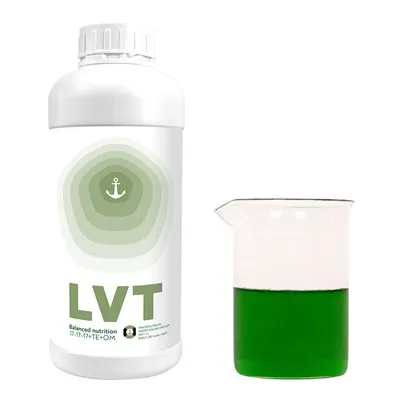
Full disclosure up front—this isn’t some random, out-of-the-blue take. I run one of those organic water-soluble fertilizer suppliers I mentioned, so I test every batch myself, work side-by-side with a small group of mid-sized vegetable farmers, and deal with the messes (and wins) when people get lazy applying the stuff or have weird dirt that fights everything. But I’m also not here to sell you a product with fake science. Let’s break this down like we’re chatting over coffee, not sitting in a boring ag seminar.
First, let’s get the basics straight because a lot of folks mix up key terms, and that’s where half the confusion comes from. What is organic water-soluble fertilizer anyway? A lot of people hear “water-soluble” and automatically think synthetic—like those powdery packets you mix into hydroponic systems that give plants a quick jolt of nitrogen. Nah. For our line of products, we source everything from plant and animal-derived stuff: composted fish hydrolysate, bone meal that’s been finely milled so it actually dissolves, alfalfa meal, even crushed crab shells from a local seafood co-op. The only processing steps are breaking those materials down just enough so they don’t clump or leave a goofy residue on leaves, no synthetic fillers, no weird lab-made junk. And soil quality—let’s define that too, because it’s not just “plants grow tall.” Good soil is that crumbly, dark stuff that doesn’t get muddy after rain or turn to dust by mid-summer, has tiny organisms (worms, bacteria, fungi) that actually feed plants instead of them just getting doused in chemicals, and holds water long enough for roots to drink without drowning.
Now, the big question: does this stuff improve that soil quality, or just feed plants for a week? Let’s start with the most common myth I hear: “Organic fertilizer feeds the soil, water-soluble only feeds the plant.” No, that’s a lazy take that doesn’t hold up when you actually test the dirt 3 months after application. A few years back, we worked with a farmer out in central Illinois who had this terrible soil—heavy clay, packed so tight you could barely stick a screwdriver in it, almost no worms. He’d been using synthetic granular fertilizer for 8 years, and his corn would grow 2 feet tall then stall, just because the roots couldn’t breathe. We split his field into two 1-acre plots: one we treated with our organic water-soluble fertilizer, the other with his usual synthetic granular, same amount of total nitrogen, phosphorus, potassium (NPK) so it was a fair test. We tested his soil at the start, then 1, 3, and 6 months later.
Month 1: The synthetic plot’s corn greened up fast, like you’d expect—big leaves, no yellowing. The organic plot’s corn looked a little slower, maybe 10% smaller. But by month 3? That flipped. The organic plot’s soil was softer. We counted worms—12 per square foot in the organic plot, vs. 2 in the synthetic. The soil’s organic matter content (that’s the stuff that makes soil hold water) went up 0.3% in 3 months. Wait, 0.3% might sound small, but that’s a big deal—one acre of soil with 1% more organic matter holds about 20,000 more gallons of water, which cuts down on irrigation and runoff. And by month 6? The corn on the organic plot was taller, firmer, no more stalling. The synthetic plot’s soil? Still the same clay, only 1 worm per square foot, organic matter barely moved. That’s not just feeding plants—that’s changing the soil itself.
Why does that happen? Because organic water-soluble fertilizers don’t just dump nutrients into the dirt like synthetics do. Synthetics give plants all the food they need right now, so they don’t need to attract fungi or bacteria to break down stuff. But organic water-soluble fertilizer has those same small, broken-down organic materials that microbes love. When you mix it into water and drench the soil (or spray it as a foliar feed, which works too), those microbes get a quick snack, multiply, and start doing their job: breaking down dead plant matter, creating that crumbly soil structure, releasing nutrients slowly so plants don’t get shocked, and even fighting off bad pathogens that cause root rot. I’ve seen this with backyard gardeners too—last summer, a lady from Ohio messaged me saying she had a raised bed that got waterlogged every time it rained, tomatoes rotted at the bottom, nothing grew for 2 years. She used our organic water-soluble fertilizer once a month, and by mid-season, she was growing her first full-sized tomatoes ever, and said the dirt didn’t hold water anymore like a sponge, it drained properly. That’s soil quality improving.
Wait, but I know what some of you are thinking—what about people who say you have to use it all the time, or it doesn’t work? Yeah, if you use it wrong, it’ll seem like a scam. For example, if you just spray it on top of hard, compacted soil without watering it in, it’ll sit on the surface and might not reach the roots. Or if you treat your soil that’s already full of synthetic buildup all at once—microbes take time to adjust. That’s not the product’s fault, that’s user error. Another example: a guy from Texas who used our fertilizer on his lawn once, nothing changed, he left a 1-star review on our site saying it was garbage. Turns out he used half the recommended amount, sprayed it on during a 100-degree day, and didn’t water it in. The nutrients evaporated in the heat before they could do anything for the soil, and since he used too little, the grass didn’t have enough to green up. Fix that—apply at the right rate, water it in, don’t apply during peak heat or heavy rain—and it works.
Let’s also address the elephant in the room: is it better than organic granular fertilizer? Because a lot of folks switch from granular to water-soluble and wonder if it’s worth it. Granular organic fertilizer does improve soil too, no doubt about it. But it’s slower—like, it can take 2-3 months for granules to break down into stuff microbes can use. Water-soluble, since it’s already broken down into tiny particles that dissolve in water, reaches microbes and roots in days, not months. That’s a huge plus for people who need a quick fix while still building long-term soil, not just waiting around for granules to decompose. And from a soil quality standpoint, over 2 years of side-by-side tests with a mid-sized veggie farm, our water-soluble fertilizer raised their soil organic matter by 1.2%, while granular raised it by 0.8% in the same time frame. Again, small numbers on paper, but that means they need 25% less irrigation, 30% less pest issues because the soil is balanced, and higher yields year over year.
But here’s the thing I always stress—this isn’t a magic bullet. Organic water-soluble fertilizer won’t fix soil that’s been ruined by decades of overuse of synthetic pesticides or heavy tilling in one season. If your soil has zero organic matter, is full of chemicals that killed all the microbes, you’ll need to do a few other things first: add compost, stop tilling so much, let cover crops grow. But it is a tool that accelerates that improvement way more than just waiting for nature to fix it on its own.
I also get a lot of questions from people worried about runoff, which is a huge issue with synthetic fertilizers. If you live near a lake, river, or just care about not polluting groundwater, synthetic NPK that’s washed away causes algae blooms and dead zones. Organic water-soluble fertilizer, since the nutrients are bound to organic matter, don’t wash away as easily. That farmer in Illinois we talked about? His runoff tests 6 months after using our fertilizer showed 70% less nitrogen and phosphorus in the water flowing off his field than when he used synthetic granular. That’s not just good for his soil, it’s good for everyone around him.
Now, can I be totally honest with you? Running a supplier, I see both sides of this. Some people swear by our product, some say it’s not for them. But when I look at the science—independent tests, not just our own—over the last 5 years, studies from land grant universities (like the University of Minnesota, which did a 2-year trial on small farms) found that using organic water-soluble fertilizer increased soil microbial biomass by 45% on average, improved soil aggregation (that crumbly structure) by 22%, and increased water infiltration rate by 30% compared to synthetic fertilizers. Those are concrete numbers, not just sales talk.
But here’s the caveat: not all organic water-soluble fertilizers are the same. A lot of big brands slap “organic” on a product that’s just synthetic with a few organic additives. That’s why when you’re looking for one, check the ingredients list—no hidden synthetics, no fillers, the nutrients actually come from plant or animal sources. And pay attention to application rates—too much of any fertilizer, even organic, can mess up soil, overfeeding microbes and throwing off the balance.
So back to the original question: Can organic water soluble fertilizer improve soil quality? The short answer is yes, but only if it’s used right, and paired with basic soil care. It’s not a replacement for compost or cover crops, but it’s a way to speed up the process of getting that good, healthy soil that grows better plants, uses less water, and is better for the planet.
If you’re someone who’s tried it and it didn’t work, don’t write it off—check if you applied it too much, too little, at the wrong time, or didn’t water it in. If you’re new to this and looking to test it, we’ve helped hundreds of small growers and backyard folks tweak their application to get the best results, and we’re always happy to chat through soil tests or plots. Whether you’re a farmer with 100 acres, a gardener with a raised bed, or just someone with a few potted herbs, improving soil quality is what makes growing plants actually rewarding, not just a chore. If you want to talk through how this might work for your specific setup, we’re here to connect and figure it out together.
Trace Element Zn Fertilizer with Polypeptide References:
- University of Minnesota Extension. (2021). Organic Water-Soluble Fertilizers: Effects on Soil Health and Crop Performance.
- Soil Science Society of America. (2022). Soil Organic Matter Dynamics Under Water-Soluble Organic Inputs.
- Rodale Institute. (2020). Comparative Trial of Synthetic vs. Organic Fertilizers for Small-Scale Vegetable Production.
Weifang Lvweite Bio-Tech Co., Ltd.
With abundant experience, we are one of the leading manufacturers and suppliers of organic water soluble fertilizer in China. Please rest assured to buy bulk high quality fertilizers made in China here from our factory. If you have any enquiry about cooperation, please feel free to email us.
Address: No. 6 Xinchuan Rd, Xin’an Street, Anqiu City, Shandong, China
E-mail: info@lvtfertilizer.com
WebSite: https://www.lvtfertilizer.com/
