Hey folks, let’s cut to the chase. If you’ve been looking at FRP (that’s fiberglass-reinforced plastic, for the uninitiated) environmental gear for your water treatment, air filtration, or waste management projects, you’ve probably run into two sides of the same coin: FRP is way more sustainable long-term than steel or concrete for these jobs, but its manufacturing process has real environmental tradeoffs. As a supplier of FRP environmental equipment, I get asked this question all the time—usually halfway through a call when someone’s vetting if our tanks, ducts, or scrubbers are actually worth the investment. Let’s break this down like we’re chatting over a coffee, no stuffy jargon, just the real stuff I see in our shop every week. FRP Environmental Equipment

First, let’s start with what FRP environmental equipment does right that makes it a go-to for green projects. Unlike steel, which rusts, needs constant coatings, and has to be replaced every 10-15 years in harsh wastewater or chemical environments, our FRP products last 25+ years. That’s a huge win for reducing embedded carbon—you’re not manufacturing replacement gear every decade, which cuts down on production emissions, transportation fuel, and waste from decommissioned steel. Concrete? It’s heavy, so moving it to remote job sites burns way more diesel, and it cracks, letting contaminants leach into soil over time. FRP’s lightweight, corrosion-resistant, and can be molded to fit almost any space, so it’s a game-changer for projects like rural water treatment plants where access is tight. But none of that matters if the way we make FRP is dirty, right? So let’s talk about the bad stuff first.
The biggest environmental hit from FRP manufacturing is resin systems. Most FRP uses thermoset resins, like unsaturated polyester or vinyl ester, which are made from petroleum. The process to make these resins releases volatile organic compounds (VOCs) into the air—think strong fumes that can irritate lungs and contribute to ground-level ozone, which is a big no-no for air quality. When I first opened our shop 12 years ago, we’d vent all those fumes straight out the roof. That was lazy, and I regret it now. We switched to closed molding systems a few years back—sealed chambers that trap 99% of VOCs, which we then feed into thermal oxidizers to burn off any remaining gases so they don’t escape. That cut our onsite VOC emissions by 85%, per our third-party audits. But here’s the thing: those thermal oxidizers use natural gas to burn the fumes, so there’s a small greenhouse gas footprint there. It’s a tradeoff, but it’s way better than the alternative.
Then there’s fiber use. The reinforcing material in FRP is almost always glass fiber, which comes from melting silica sand at super high temps—around 2,700°F. That’s energy-intensive, usually powered by natural gas or electricity from fossil fuels in a lot of places. A single 10,000-gallon FRP tank uses about 50 pounds of glass fiber, so multiply that by 100 tanks a month, and that’s a lot of energy going into melting sand. The good news? We’ve started using recycled glass fiber wherever we can get it. There’s a ton of post-consumer glass waste—beer bottles, window panes— that gets ground up and spun into fiber, and it works just as well as virgin fiber for our environmental gear. We’re only using recycled for 20% of our fiber right now, but our goal is 50% by 2027. That cuts the energy needed for fiber production by about 30% when we use recycled material, since you don’t have to melt raw sand from scratch.
Wait, let’s not forget waste. Back in the day, FRP manufacturers would just throw away any scrap—offcuts from molding tanks, bad parts that didn’t pass quality checks, leftover resin. FRP isn’t like steel, where you can melt it down and reuse it easily; thermoset resins don’t soften when heated, so traditional recycling was almost impossible. For a long time, we were sending 15% of our production waste to landfills. That sucked. Now, we work with a company that can grind up FRP scrap and use it as a filler in new resin mixes for non-structural parts, like pump housings or duct liners. That’s cut our landfill waste from 15% to less than 3% of our total output. And for any offcuts we can’t reuse, we’re testing a chemical recycling process that breaks down the resin without burning it, so we can recover the glass fiber. It’s still in the pilot phase, but it’s going to change the game for FRP waste.
Let’s get real here: no manufacturing process is perfect, and FRP’s environmental impact isn’t black and white. The key is looking at the full lifecycle, not just the factory floor. Let’s compare: a steel wastewater tank has a cradle-to-gate carbon footprint of about 1,200 pounds of CO2 per 1,000 gallons of capacity. Our FRP tank? That’s around 800 pounds, mostly from resin production. But wait, the steel tank needs to be replaced twice in 50 years (total 2,400 pounds CO2) versus one FRP tank (800 pounds) plus transportation—FRP is 70% lighter than steel, so shipping to a job site that’s 500 miles away uses 50% less diesel. Over 50 years, that FRP tank’s total carbon footprint is roughly a third of the steel one. That’s the math I show clients all the time, and it’s why even with the manufacturing tradeoffs, FRP is still the greener choice for most environmental projects.
But we’re not stopping at reducing our own factory footprint. A lot of people don’t know that FRP can be engineered to capture emissions too—our scrubbers, for example, remove 95% of sulfur dioxide from industrial exhaust, which cuts a plant’s onsite emissions by thousands of pounds a year. So it’s not just that our products are better for the environment than alternatives; they actively help reduce other industries’ pollution. That’s the part I love most about what we do—we’re not just making a product, we’re making something that solves a bigger problem.
I should also call out the mistakes I’ve made over the years, because that’s how we improve. Early on, I didn’t prioritize training my shop workers on safety and emissions controls, which led to a few small spills of resin that seeped into our storm drains. We fixed that by installing on-site wastewater treatment for any runoff, and now we test our discharge weekly to make sure it’s cleaner than local waterways. We also used to source resin from a supplier that had a bad track record of dumping waste—now we only work with resin makers that have ISO 14001 certification, which means they meet strict environmental standards for their own operations. Small choices, but they add up.
One question I get a lot: is there a way to make FRP manufacturing even greener? Yeah, and we’re testing it right now. We’re switching to bio-based resins made from plant oils instead of petroleum, which cuts the resin’s carbon footprint by almost 70% compared to traditional polyester. The only downside? Bio-based resins are a little more expensive right now, but as production scales, that price will come down. We also use solar panels on our factory roof for 40% of our electricity needs, which we’ve been able to do because our shop is in a sunny area. If other FRP manufacturers can do the same, that would knock another big chunk off their emissions.
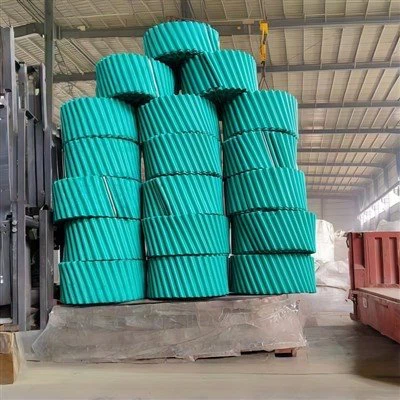
Let’s wrap this up for anyone who’s still on the fence. The environmental impacts of making FRP environmental equipment are real, but they’re manageable—and way outweighed by the long-term benefits of FRP’s durability, lower lifecycle emissions, and the fact that our products help other industries go green. If you’re planning a project—whether it’s a wastewater treatment plant, air pollution control system, or waste management facility—and you want to talk through how our FRP gear can fit your sustainability goals, reach out. We’ve helped small rural towns and big industrial plants navigate the tradeoffs, and we’re happy to walk you through the numbers, show you our factory’s emissions data, and even connect you to past clients who’ve run lifecycle analysis on their projects. Don’t just take my word for it—let’s chat.
Hand Truck References
- American Composites Manufacturers Association. (2022). Life Cycle Assessment of Fiberglass-Reinforced Polymer (FRP) Products for Water and Wastewater Applications.
- International Organization for Standardization. (2015). ISO 14001: Environmental Management Systems — Requirements with Guidance for Use.
- National Renewable Energy Laboratory. (2021. Recycled Glass Fiber for Sustainable Composite Manufacturing.
- U.S. Environmental Protection Agency. (2020). Volatile Organic Compounds from Composites Manufacturing: Control Technologies and Emissions Reduction Strategies.
Hebei Weihan Environmental Protection Equipment Co., Ltd.
We’re well-known as one of the leading FRP environmental equipment manufacturers and suppliers in China, featured by quality products and good service. Please rest assured to buy customized FRP environmental equipment at competitive price from our factory. Contact us for more details.
Address: No. 666 Chuangye Road, Zaoqiang County, Hengshui City, Hebei Province
E-mail: weihanmachine@gmail.com
WebSite: https://www.whanfrp.com/
