Hey everyone, let’s cut to the chase—if you’re in the market for PPGI (pre-painted galvanized steel) or GI (galvanized steel), one question we get non-stop is: “How durable is this stuff, really? Especially against wear and tear?” As a supplier who’s been hands-on with these materials for over a decade, I’ve seen way too many projects go sideways because someone grabbed a cheap coil that flaked or scratched before it even hit the job site. Today, let’s talk straight about PPGI’s abrasion resistance—what it actually means, how we test it, and why it matters way more than just a line on a spec sheet. PPGI/GI
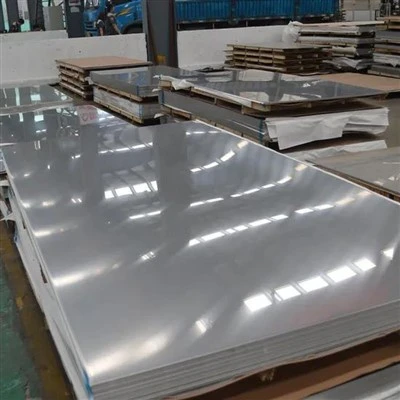
First, let’s make sure we’re all on the same page. PPGI is different from plain GI, right? Plain GI is just steel coated with a thin layer of zinc to stop rust, but it’s dull, scratch-prone, and not really made for showing off. PPGI adds a baked-on paint layer over that zinc coating—usually polyester, epoxy, or sometimes even more heavy-duty stuff like silicone-modified polyester (SMP) or polyvinylidene fluoride (PVDF) for outdoor use. That paint is the first line of defense when it comes to abrasion, which is basically any kind of rubbing, scraping, scuffing, or grinding that wears away the surface. Think: dragging a ladder along a roof panel, forklift bumps on warehouse siding, or even construction debris scraping against a wall during a build.
Now, abrasion resistance isn’t one-size-fits-all, and that’s where a lot of suppliers cut corners. Some will just say “our PPGI is super durable” without telling you which coating they’re using, or how it performed in tests. At our shop, we don’t do that—we test every batch we bring in, because we’ve seen the difference between a cheap polyester coat and a high-grade SMP or PVDF coat. Let’s break down the real tests we run, not just the standard ones you might see on a spec.
The most common industry test for abrasion resistance is the Taber Abrasion Test. You’ve probably heard of it, but let’s make it real: it uses a spinning wheel with a specific grit (like 1000 grit) that rubs against the PPGI surface under a set weight—usually 1,000 grams, sometimes more for heavy-use materials. We run it for a set number of cycles, say 1,000 or 2,000, and then measure how much paint wears off, or how much the surface loses in weight. For a basic residential siding PPGI, a good polyester coat will typically have less than 50 milligrams of weight loss after 1,000 Taber cycles. But if you’re using that same polyester for a warehouse floor panel, that’s way too much—you’d need a heavy-duty SMP coat, which might only lose 20-30 milligrams over the same cycles. For exterior trim or roof panels that get hit by hail or constant wind-blown debris, PVDF is the way to go—it can handle 5,000+ cycles with barely any noticeable wear.
Wait, but Taber isn’t the only test. We also do manual abrasion tests, because real life isn’t a lab spinning wheel. Last year, we had a customer come to us with a problem: their contractor dragged a steel ladder across a set of roof panels, and the paint peeled right off. The issue? They’d picked the cheapest PPGI we had in stock, a thin polyester coat meant for indoor use, for a residential roof. We tested a similar batch in our shop, and a single ladder drag (about 10 seconds of consistent pressure) left a noticeable scratch and flaking—way worse than when we tested our premium SMP roof PPGI, which only had a tiny, barely visible scuff that buffed out with a soft cloth. That’s the stuff spec sheets don’t always tell you: context matters.
Another big factor that affects PPGI’s abrasion resistance is the zinc coating underneath. If the zinc layer is thin (like less than 80 grams per square meter), it won’t properly bond with the paint, and the whole coating system will be weaker. We only supply GI with zinc coatings of at least 120 grams per square meter, and our PPGI uses that same base because we don’t want the paint to peel or chip just because the zinc was too thin. I’ve seen suppliers use 60g/m² zinc to cut costs, and that’s a death sentence for abrasion resistance—even if the paint is good, the base layer can’t support it.
Let’s talk about when abrasion resistance actually matters, because a lot of people think it’s just for industrial stuff, but that’s not true. Residential uses: roof panels, garage doors, siding, fence posts. If your fence is in a area with a lot of tree branches scraping it, or your garage door gets bumped by a lawnmower or patio furniture, you want PPGI that can handle that. Commercial uses: warehouse walls that get hit by forklifts, storefront facades that get rubbed by delivery carts, metal roofing that’s exposed to construction traffic. Even automotive parts—wait, no, most car bodies use different materials, but trailer sides or truck bed liners often use heavy-duty PPGI because it’s cheaper than aluminum and way more abrasion-resistant than plain steel.
Here’s a common misconception: people think glossier paint is more durable. Nope—gloss just means it’s got more resin or pigment, but abrasion resistance depends on the type of resin, the baking process, and how well it’s bonded to the zinc. We had a customer a few years ago who insisted on a high-gloss white PPGI for their grocery store exterior, because they thought it looked cleaner. They picked a cheap high-gloss polyester, and within 2 years, the panels along the loading dock were scuffed to hell—all the gloss was gone, and there were deep scratches from pallets being dragged. We swapped them for our matte SMP PPGI, and 5 years later, those same panels still look almost as good as day one. The matte SMP has a slightly harder surface, so it resists scratching better than a soft, glossy polyester coat.
Now, what about long-term abrasion resistance? It’s not just about the first year—you want this stuff to last 10, 20 years. We do accelerated weathering tests, too, which mimic years of sun, rain, and temperature changes, and we check for how the paint holds up to abrasion after that. Our premium PVDF PPGI, for example, after 5,000 hours of accelerated weathering, still has 90% of its original abrasion resistance—so it’s handling wear and tear even after being exposed to the elements for decades. The cheap polyester? After 2,000 hours, it’s lost half its abrasion resistance, which means by year 5, it’s scuffing way too easily.
As a supplier, I’ll be the first to admit that abrasion resistance isn’t the only thing you need to care about—rust resistance, color retention, cost, all matter—but it’s a make-or-break factor for a lot of projects. I’ve had customers come to us after buying cheap PPGI online, complaining that their panels scratched during installation, or started chipping after a year of use. That’s almost always because they didn’t match the PPGI type to the job. If you need something for a temporary shed, the cheap polyester is fine—it’s cheap enough that you can replace it if it wears out. But if you’re doing a permanent warehouse, you need the heavy-duty SMP, and if it’s a coastal roof or a facade with high traffic, go for PVDF.
Another thing: installation affects abrasion resistance, too. A lot of people don’t think about that, but if you’re installing PPGI and you drag panels across concrete, or don’t use proper lift brackets, you’re going to get scratches no matter how good the PPGI is. We always give our customers free installation tips, like using padded gloves when handling panels, lifting them instead of dragging, and avoiding sharp edges during placement. We even sell small plastic edge guards to put on panels during shipping, because we’ve seen way too many scratches happen just during transit.
Wait, let’s get into some real numbers to make this concrete (pun intended). Let’s compare three common PPGI types, all from our inventory:
- Basic Polyester PPGI: Taber Abrasion weight loss = ~50 mg at 1,000 cycles. Best for indoor use, temporary structures, low-traffic areas. Costs the least, abrasion resistance is decent for light use but not much else.
- Silicone-Modified Polyester (SMP) PPGI: Weight loss = ~25 mg at 1,000 cycles. Up to ~100 mg at 5,000 cycles. Perfect for residential roofs, garage doors, warehouse siding—most versatile, balances durability and cost.
- PVDF PPGI: Weight loss = ~15 mg at 1,000 cycles, up to ~40 mg at 5,000 cycles. He most abrasion-resistant, best for high-traffic commercial areas, coastal installations, long-lasting facades. A bit more expensive, but worth every penny for permanent projects.
I can’t tell you how many times a customer has tried to save a few bucks by buying the basic polyester for a project that needs SMP or PVDF, and then ends up paying more to replace it a couple years later. That’s why we always ask questions—what’s this going on? How much traffic will it get? Where is it located?—before we suggest a product. We’re not here to sell you the most expensive stuff; we’re here to sell you the right stuff for your needs, and abrasion resistance is a big part of that.
Let’s talk about a recent project that stuck with me. A local construction company came to us last year for a 10,000 sq ft warehouse. They initially wanted basic polyester PPGI because it was $0.10 cheaper per square foot. But when we asked about how the warehouse would be used, they said it’d be storing pallets that get dragged around by forklifts, and the loading dock area would have heavy delivery traffic. We explained that basic polyester would scratch badly within a year, and they’d have to pay for repainting or replacement. We showed them our SMP PPGI, and even with the slightly higher cost, we calculated they’d save $15,000 over 10 years because they wouldn’t have to redo the siding. They went with it, and last month they came back to order PPGI for their new expansion—saying the siding still looks almost brand new, even after a year of forklift bumps and pallet drags. That’s the value of understanding abrasion resistance, not just checking a price tag.
Another thing that impacts abrasion resistance: the thickness of the paint. Most PPGI has a paint layer of 20 to 50 microns. A thinner coat (20 microns) is cheaper, but it’s way more prone to scratching—you can put your fingernail to it and leave a mark. A thicker coat (40-50 microns) is more flexible too, so it won’t chip when the panel bends during installation. We only supply PPGI with a minimum 25 micron paint layer, and our premium stuff is 40 microns—we don’t mess with thin, flimsy coats.
Wait, what about repairable scratches? Even the best PPGI will get a scratch sometimes, right? The good news is that most PPGI panels have matching touch-up paint available. For SMP and PVDF, the touch-up paint is formulated to match the abrasion resistance of the original coat, so you can fix small scratches without making them worse. For basic polyester, the touch-up paint might not match as well, and it might not hold up to abrasion as long. That’s another plus for going with a higher-quality PPGI—repairs are easier and last longer.
I know this was a lot, but at the end of the day, PPGI’s abrasion resistance isn’t a vague marketing term—it’s a measurable property that depends on the coating type, the base zinc layer, the paint thickness, and how it’s made. As a supplier, our job is to cut through the jargon, test our products, and match you with the right PPGI for your project’s specific needs, whether that’s a tiny backyard fence or a large commercial warehouse.
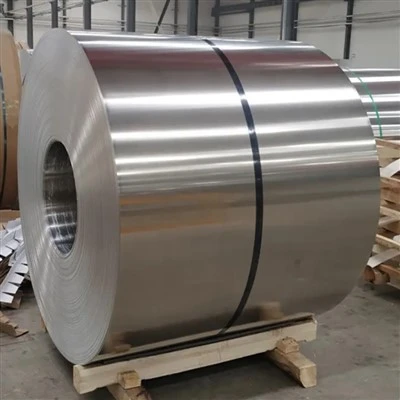
If you’re not sure which PPGI is right for you, or you want to test samples of our different grades to see the abrasion resistance for yourself, reach out to our team—we’re happy to send free samples, answer any questions, and work with you to get the right material at a fair price. No pushy sales talk, just straight talk about what works and what doesn’t.
Stainless Steel Coil References:
- American Society for Testing and Materials. (2020). Standard Test Method for Abrasion Resistance of Organic Coatings by the Taber Abraser ( ASTM D4060)
- Steel Ornamental & Security Fence Manufacturers Association. (2021). Guide to Pre-Painted Steel Products for Fencing and Outdoor Applications
- National Building Specification. (2022). Pre-Painted Galvanized Steel Specifications for Roofing and Wall Cladding
Wuxi Jin Ming Jian De Industry & Trade Co., Ltd.
Wuxi Jin Ming Jian De Industry & Trade Co., Ltd. is one of the most professional ppgi/gi manufacturers and suppliers in China, also supports customized service. With abundant experience, we warmly welcome you to wholesale CE approved ppgi/gi in stock here from our factory. If you have any enquiry about quotation, please feel free to email us.
Address: 2102-2105, Yuexing Building, Guangnan Road, Liangxi District, Wuxi City, Jiangsu Province, China.
E-mail: info@wxjmjdss.com
WebSite: https://www.jmjdsteelexp.com/
