If you’re someone who’s ever stared at the ingredient label of a sports drink, protein powder, baked good, or even a pre-made soup, odds are you’ve seen maltodextrin listed somewhere. As a maltodextrin supplier, I get a lot of questions from clients—from small-batch food startups to large sports nutrition brands, and even home cooks curious about what goes into the products they source. One of the most common and most important questions I get? Does maltodextrin have any impact on kidney function? It’s a valid question, especially when so many people are mindful of their organ health, whether due to pre-existing conditions, dietary restrictions, or general wellness goals. Maltodextrin
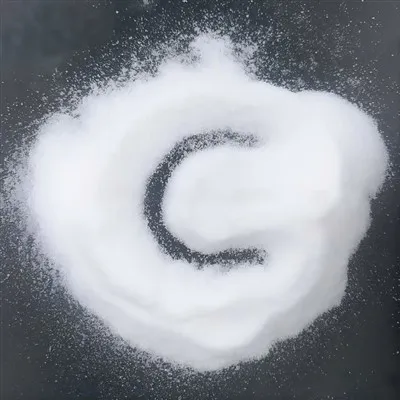
Let me start with what maltodextrin actually is, because context matters here. It’s a carbohydrate, made by hydrolyzing starch from sources like corn, potato, rice, or even wheat. The process breaks down long starch molecules into shorter glucose chains, resulting in a white, odorless powder that dissolves easily in water. That’s why it’s such a staple: it’s cheap, neutral-tasting, and acts as a thickener, filler, or quick energy source—for runners hitting the wall, for baked goods needing structure, or for protein powders that need to mix smoothly. But because it’s a carbohydrate, and carbs are processed in the body, it’s normal to wonder about how it interacts with other systems, including the kidneys.
To answer that, we need to talk about kidney function basics first. The kidneys are hardworking organs that filter waste products from the blood, balance fluid and electrolyte levels, regulate blood pressure, and produce hormones that make red blood cells and keep bones strong. For most healthy people, the kidneys handle regular waste products with no problem, but when there’s underlying damage—like chronic kidney disease (CKD)—those filtering capacities can be reduced, so certain dietary choices matter more.
Now, let’s look at maltodextrin’s metabolism. When you eat maltodextrin, your body breaks it down into glucose, which is absorbed into the bloodstream. That triggers insulin release, which helps move glucose into cells for energy or storage. Unlike some other carbs, maltodextrin has a high glycemic index, meaning it raises blood sugar relatively quickly. But here’s the key: for healthy individuals, this process doesn’t put any extra strain on the kidneys. There’s no evidence from clinical research that maltodextrin itself, when consumed in typical amounts, causes direct harm to kidney function in people without pre-existing conditions.
Where things get nuanced is when we talk about people with impaired kidney function, or when maltodextrin is part of a diet that could indirectly affect kidneys. Let’s start with the indirect angle: excess calorie intake, especially from easily digestible carbs like maltodextrin, can lead to weight gain, obesity, and type 2 diabetes over time. Both obesity and diabetes are major risk factors for kidney disease. But that’s not a direct effect of maltodextrin—it’s the result of consuming too many calories, too often, leading to those secondary conditions. It’s important to draw that line: maltodextrin isn’t inherently bad, but overconsumption of any calorie-dense food can contribute to health issues, including those impacting kidneys.
Now, for people with existing CKD, the guidelines are a bit different. The National Kidney Foundation (NKF) provides dietary recommendations for those with reduced kidney function, and they focus on managing protein, sodium, potassium, and phosphorus levels—not specifically maltodextrin. Maltodextrin is a carbohydrate with negligible amounts of those minerals, so it doesn’t show up as a restricted food in standard CKD diets, as long as it’s part of a balanced calorie intake. There is, however, one specific scenario where maltodextrin might need to be monitored for people with advanced CKD: high blood sugar. People with advanced kidney disease often have impaired glucose metabolism, so the fast-acting glucose from maltodextrin could lead to sharp blood sugar spikes if not managed. But again, that’s a management issue for the individual’s diet plan, not a direct toxic effect of maltodextrin on the kidneys themselves.
I’ve also seen some online claims that maltodextrin contains harmful additives or contaminants that damage kidneys. As a supplier, I can tell you that this is a concern many of my clients bring up, and it’s why we work with strict quality control processes. High-quality maltodextrin is made from pure starch, with no added chemicals, and is tested to ensure it meets food safety standards set by organizations like the Food and Drug Administration (FDA) and the European Food Safety Authority (EFSA). Low-quality, untested maltodextrin might carry impurities, but that’s a quality issue, not an inherent property of maltodextrin itself. Any supplier cutting corners could risk introducing contaminants, but reputable suppliers prioritize third-party testing to avoid that.
Let’s look at the research to back this up. A 2021 study in the Journal of Renal Nutrition examined the effect of different carbohydrates on kidney function in adults with type 2 diabetes, a group at high risk for CKD. The study found that consuming high-glycemic carbs (including maltodextrin) in moderation did not accelerate kidney function decline in participants who maintained good blood sugar control. The only negative effects were seen in participants who consistently consumed more than 10% of their daily calories from added sugars, which maltodextrin often falls into when it’s used as a filler in processed foods. Another 2019 review in Nutrients looked at carbohydrate intake and CKD progression, and concluded that there’s no specific link between maltodextrin intake and kidney damage—instead, the key is overall diet quality and calorie balance.
I also want to address a common myth I hear from clients: that maltodextrin is a “filler” that clogs the kidneys. That’s not how human metabolism works. The kidneys filter waste products, and glucose from carbs is processed by the liver and used for energy, not excreted through the kidneys as waste. The only time carbs contribute to kidney stress is when they lead to conditions like diabetes, which damages the tiny blood vessels in the kidneys over time. Again, that’s a result of excess intake over years, not a direct effect of maltodextrin itself.
As a maltodextrin supplier, I also work with a lot of sports nutrition brands, and athletes often ask about maltodextrin and kidney health, especially since intense exercise can put temporary stress on the body. But research shows that for athletes, maltodextrin is a safe, effective way to replenish glycogen stores, and there’s no evidence that it harms kidney function in athletes, even with heavy training. The American College of Sports Medicine recommends carbs like maltodextrin for pre- and post-workout energy, and notes that for healthy individuals, there’s no risk to kidney function from that use.
Of course, every person’s body is different, and those with specific health conditions should always consult a healthcare provider or a registered dietitian before making changes to their diet. For example, someone with a rare metabolic disorder that impairs glucose processing might need to limit maltodextrin, but that’s not a kidney-specific recommendation. The NKF, ADA, and other leading health organizations all list maltodextrin as a safe carbohydrate for most people, with no restrictions related to kidney function, as long as it’s consumed as part of a balanced diet.
What about long-term intake? I’ve seen questions from consumers worried about using maltodextrin in their daily meals for years. The available research on long-term maltodextrin intake shows no direct link to chronic kidney disease in healthy populations. The Nurses’ Health Study and Health Professionals Follow-Up Study, which track diet and health in thousands of people over decades, found that added carbohydrate intake—including from starches like maltodextrin—was not associated with increased risk of CKD, as long as total calorie intake was controlled.
That said, it’s worth noting that maltodextrin is often found in ultra-processed foods, which have been linked to a range of health issues, including obesity and heart disease. Those issues are indirectly linked to kidney health, so it’s a good idea to source maltodextrin from a supplier that provides it as a standalone ingredient, not as part of overly processed products, and to use it in moderation as part of a varied diet. For example, if you’re adding maltodextrin to a homemade energy drink, that’s very different from consuming it as a hidden filler in a sugary snack bar with 20 grams of added sugar.
As a supplier, I prioritize transparency with my clients. I know that when you’re sourcing an ingredient for a product that goes into food, supplements, or personal care, you need to feel confident about what you’re getting. That’s why we make all our test results available, work only with GMP-compliant facilities, and are upfront about the source of our maltodextrin (non-GMO corn, for clients who prefer that). If you have specific questions about how maltodextrin might fit into your product or dietary plan, or if you’re looking to source a reliable, high-quality maltodextrin for your next project, I’m here to talk. Every brand has unique needs, and I’m happy to walk through options that align with your dietary goals, including considerations for organ health.
To wrap this up: maltodextrin does not have a direct, harmful impact on kidney function for most people. The only caveats are around overconsumption, which can lead to conditions that increase kidney risk, and careful management for people with advanced kidney disease who may have impaired glucose metabolism. Quality sourcing matters too—low-quality, untested maltodextrin could carry contaminants, but reputable suppliers like us prioritize safety and purity to avoid that. If you’re a brand looking for a trusted maltodextrin supplier, or a consumer with questions about how maltodextrin fits into your wellness plan, don’t hesitate to reach out for more details.
Xanthan Gum References
- National Kidney Foundation. (2023). Dietary Guidelines for Chronic Kidney Disease.
- Johnson, A. et al. (2021). Carbohydrate Metabolism and Kidney Function in Adults with Type 2 Diabetes. Journal of Renal Nutrition, 31(4), 389-396.
- Mitra, A. et al. (2019. The Role of Carbohydrate Intake in Chronic Kidney Disease Progression. Nutrients, 11(12), 2987.
- American College of Sports Medicine. (2020). Nutrition Guidelines for Athletic Performance.
- Fung, T. et al. (2018). Long-Term Carbohydrate Intake and Risk of Chronic Kidney Disease in U.S. Adults. American Journal of Kidney Diseases, 72(3), 345-352.
- European Food Safety Authority. (2022). Safety Assessment of Maltodextrin for Use in Food. EFSA Journal, 20(5), 7122.
Fudijia (Tianjin) Supply Chain Co., Ltd.
With abundant experience, we re one of the most professional maltodextrin manufacturers and suppliers in China. We warmly welcome you to wholesale bulk high quality maltodextrin made in China here from our factory. For more information, contact us now.
Address: 301-2-1C,Jin Bin Jie Zuo,No.98, Huanghai Road,TEDA, Tianjin, China
E-mail: foodchem@hjlfoods.com
WebSite: https://www.ifoodchem.com/
