As a supplier of heat-resistant vacuum pouches, I’ve witnessed firsthand the intricate relationship between a vacuum pouch’s heat resistance and its printability. In the packaging industry, these two factors are of paramount importance, not only for the functionality of the product but also for its aesthetic appeal and marketability. Heat Resistant Vacuum Pouch

Understanding Heat Resistance in Vacuum Pouches
Heat resistance in vacuum pouches refers to the ability of the pouch to withstand high temperatures without significant deformation, melting, or loss of integrity. This property is crucial, especially in applications where the pouch will be exposed to heat during processes such as pasteurization, retort processing, or microwave heating.
The heat resistance of a vacuum pouch is primarily determined by the materials used in its construction. Common materials include polypropylene (PP), polyethylene terephthalate (PET), and nylon. Each material has its own unique heat resistance characteristics. For example, PET has excellent dimensional stability at high temperatures, making it suitable for applications that require precise shaping and printing. Nylon, on the other hand, offers high strength and puncture resistance, even at elevated temperatures.
The manufacturing process also plays a significant role in determining the heat resistance of a vacuum pouch. Factors such as the thickness of the pouch, the quality of the seals, and the presence of any additives or coatings can all affect its ability to withstand heat. For instance, a thicker pouch is generally more heat-resistant than a thinner one, as it provides more insulation and structural support.
The Impact of Heat Resistance on Printability
Printability refers to the ability of a vacuum pouch to accept and retain printed images, text, and graphics. It is a critical aspect of packaging design, as it allows brands to communicate their message effectively and differentiate their products in the market.
The heat resistance of a vacuum pouch can have a significant impact on its printability. When a pouch is exposed to high temperatures during processing, the ink used for printing can be affected. If the heat resistance of the pouch is insufficient, the ink may smear, fade, or peel off, resulting in a poor-quality print. This can not only affect the aesthetic appeal of the product but also reduce its marketability.
On the other hand, a vacuum pouch with high heat resistance can provide a stable surface for printing, ensuring that the ink adheres properly and retains its color and clarity even after exposure to heat. This is particularly important in applications where the pouch will be subjected to high-temperature processes, such as retort processing, where the pouch may be exposed to temperatures of up to 121°C (250°F) for extended periods.
Factors Affecting Printability in Heat-Resistant Vacuum Pouches
Several factors can affect the printability of heat-resistant vacuum pouches. These include the type of ink used, the printing method, and the surface properties of the pouch.
The type of ink used is crucial in determining the print quality and durability. There are different types of inks available, each with its own unique properties and characteristics. For example, solvent-based inks are known for their high adhesion and fast drying time, making them suitable for printing on a variety of materials. However, they can also be more environmentally harmful and may require special handling and disposal. Water-based inks, on the other hand, are more environmentally friendly but may have lower adhesion and durability compared to solvent-based inks.
The printing method also plays a significant role in printability. Common printing methods for vacuum pouches include flexography, gravure printing, and digital printing. Each method has its own advantages and disadvantages, and the choice of method will depend on factors such as the complexity of the design, the volume of production, and the desired print quality.
The surface properties of the pouch, such as its smoothness, roughness, and chemical composition, can also affect printability. A smooth surface is generally more suitable for printing, as it provides a better adhesion surface for the ink. However, some materials may require special surface treatments or coatings to improve their printability.
Strategies for Improving Printability in Heat-Resistant Vacuum Pouches
To ensure optimal printability in heat-resistant vacuum pouches, several strategies can be employed. These include selecting the right materials, using the appropriate ink and printing method, and implementing proper surface treatments.
When selecting materials for a heat-resistant vacuum pouch, it is important to consider their heat resistance properties as well as their printability. For example, materials with a high melting point and good dimensional stability are generally more suitable for high-temperature applications. Additionally, materials that have a smooth surface and good ink adhesion properties are preferred for printing.
The choice of ink and printing method is also crucial. As mentioned earlier, different types of inks have different properties and characteristics, and the choice of ink will depend on factors such as the type of material, the printing method, and the desired print quality. Similarly, the printing method should be selected based on the complexity of the design, the volume of production, and the desired print quality.
Proper surface treatments can also improve the printability of heat-resistant vacuum pouches. For example, corona treatment can be used to increase the surface energy of the pouch, making it more receptive to ink. Additionally, coatings can be applied to the pouch to improve its ink adhesion and durability.
Conclusion
In conclusion, the heat resistance of a vacuum pouch has a significant impact on its printability. A vacuum pouch with high heat resistance can provide a stable surface for printing, ensuring that the ink adheres properly and retains its color and clarity even after exposure to heat. By understanding the factors that affect printability and implementing appropriate strategies, manufacturers can produce high-quality heat-resistant vacuum pouches that meet the needs of their customers.
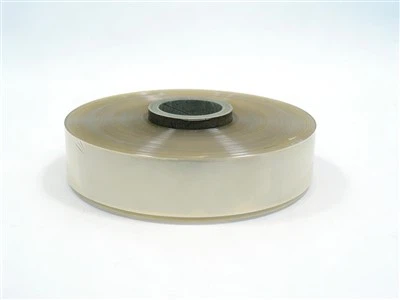
Polyvinylidene Chloride Inner Printing Film If you are interested in learning more about our heat-resistant vacuum pouches or would like to discuss your specific packaging requirements, please feel free to contact us. We are committed to providing our customers with the highest quality products and services, and we look forward to working with you.
References
- "Packaging Materials and Processes" by Hanse, C. (2018)
- "Printing Technology for Packaging" by Matthews, R. (2019)
- "Heat Resistance in Polymer Materials" by Smith, J. (2020)
Sinosealed Packaging Solutions Limited
With a professional production team, we are one of the most experienced heat resistant vacuum pouch manufacturers and suppliers in China. Please rest assured to buy high quality heat resistant vacuum pouch for sale here from our factory. For price consultation, contact us.
Address: Luohe City, Henan Province, China
E-mail: contact@barrierpackage.com
WebSite: https://www.barrierpackage.com/
