Hey there! I’m a supplier of DTY Nylon Yarn, and today I wanna chat about something super important in our line of work: the shrinkage rate of DTY Nylon Yarn. DTY Nylon Yarn

First off, let’s break down what "shrinkage rate" actually means. Shrinkage rate refers to the percentage of reduction in the length or size of the yarn after it goes through certain treatments, like heat or moisture. It’s a crucial factor because it directly affects how the final product turns out. Whether you’re making clothing, carpets, or any other nylon – based items, understanding the shrinkage rate can save you a ton of headaches down the road.
Now, the shrinkage rate of DTY Nylon Yarn can vary quite a bit. Several factors come into play. One of the big ones is the manufacturing process. During the production of DTY Nylon Yarn, different techniques and settings can lead to different shrinkage characteristics. For instance, if the texturing process is more intense, the internal structure of the yarn gets more rearranged. This can result in a higher shrinkage rate when the yarn is exposed to heat or other external factors.
The heat – setting treatment also plays a major role. Heat – setting is a process where the yarn is exposed to controlled heat to set its shape. If the temperature and duration of this treatment are not right, it can mess up the shrinkage rate. A lower heat – setting temperature might not be enough to stabilize the yarn’s structure, leading to higher shrinkage later on. On the other hand, over – heating can also cause problems, like making the yarn brittle and changing its shrinkage behavior.
Another factor is the chemical composition of the nylon itself. Different types of nylon polymers have different molecular structures. Some are more prone to shrinking under specific conditions than others. For example, nylon 6 and nylon 66, which are commonly used in DTY Nylon Yarn production, have slightly different shrinkage properties. Nylon 6 generally has a bit higher shrinkage potential compared to nylon 66 in certain heat and moisture conditions.
Moisture is also a sneaky factor that affects the shrinkage rate. Nylon is hygroscopic, which means it can absorb moisture from the air. When the yarn absorbs moisture, its fibers swell. And when the moisture is removed, say through drying, the fibers can shrink. This kind of shrinkage can be tricky because it might not be obvious at first. You might think your yarn is fine, but once it gets wet and then dries out, you’ll notice the change in size.
So, why does all this matter to you? Well, if you’re a manufacturer using DTY Nylon Yarn, having an accurate understanding of the shrinkage rate is key for quality control. Let’s say you’re making a batch of high – end shirts. If the shrinkage rate of the yarn you’re using is higher than expected, the shirts might end up smaller than the intended size after the first wash. Your customers are not gonna be happy about that! It can lead to returns, bad reviews, and a loss of reputation.
On the other hand, if you’re aware of the shrinkage rate, you can adjust your production process accordingly. For example, you can cut your fabric a bit larger to account for the shrinkage. You can also perform pre – shrinkage treatments on the yarn before you start manufacturing. This way, you ensure that the final product meets the size and quality standards you’ve set.
As a DTY Nylon Yarn supplier, I know how crucial it is to provide accurate information about the shrinkage rate to my customers. That’s why I work closely with my production team to monitor and control every step of the manufacturing process. We test the shrinkage rate regularly using standard industry methods. This involves subjecting samples of the yarn to specific heat and moisture conditions and then measuring the change in length.
I can provide you with detailed shrinkage rate data for each batch of DTY Nylon Yarn we produce. This data is based on real – world testing, so you can trust that it’s accurate. And if you have any special requirements, like a very low shrinkage rate for a specific project, we can work together to develop a customized solution.
We also offer technical support to help you deal with the shrinkage issue. If you’re facing problems with shrinkage in your production line, our team of experts can come in and analyze the situation. We can suggest adjustments to your manufacturing process or even help you choose a different type of DTY Nylon Yarn that better suits your needs.
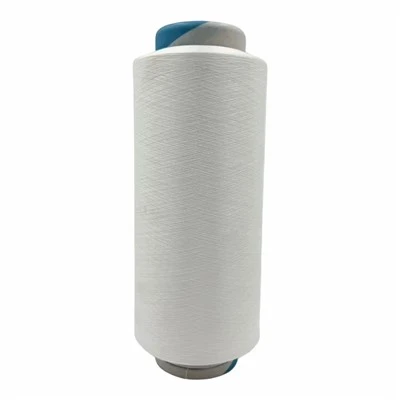
If you’re in the market for high – quality DTY Nylon Yarn and are concerned about the shrinkage rate, I’d love to have a chat with you. Whether you’re a small – scale boutique or a large – scale factory, we can provide the right yarn solutions for you. Let’s work together to make sure your products are of the highest quality. So, don’t hesitate to reach out if you’ve got any questions or are interested in placing an order. I’m here to make your sourcing experience as smooth as possible.
Nylon Yarn References:
- Textile Institute. Textile Testing Methods.
- American Association of Textile Chemists and Colorists (AATCC). Standards for Textile Testing.
Zhuji Yuanhui Import & Export Co., Ltd.
Zhuji Yuanhui Import & Export Co., Ltd. is one of the most professional dty nylon yarn manufacturers and suppliers in China. With abundant experience, we warmly welcome you to buy high-end dty nylon yarn made in China here from our factory. If you have any enquiry about quotation and free sample, please feel free to email us.
Address: No.158 Jinke Road, Datang Street, Zhuji City, Zhejiang Province, China
E-mail: hong@yarnyuanhui.com
WebSite: https://www.yarnfty.com/
