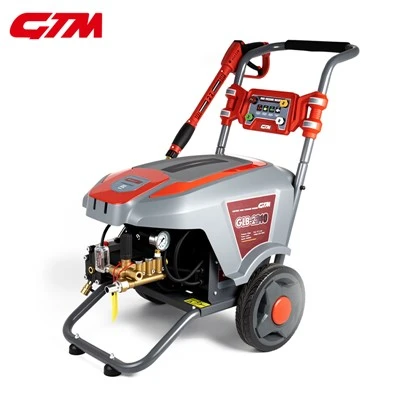
As a dedicated supplier of high-pressure washers, I understand the importance of proper equipment maintenance and operation. One critical yet often overlooked step in using a high-pressure washer is priming. In this blog post, I’ll walk you through the process of priming a high-pressure washer, share some tips to make it easier, and explain why it’s such a crucial step in getting the most out of your equipment. High Pressure Washer
Why Priming is Necessary
Before diving into the priming process, let’s first understand why it’s necessary. A high-pressure washer works by drawing water from a source, such as a garden hose or a water tank, and then pressurizing it to a high level before ejecting it through a nozzle. For this system to work efficiently, it’s essential that the pump is filled with water and free of air.
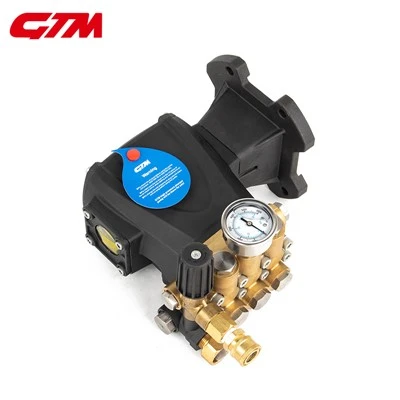
When there’s air in the pump, it can prevent the proper flow of water, leading to reduced pressure, inconsistent performance, and even damage to the pump over time. Priming the high-pressure washer ensures that all the air is removed from the pump and the water lines, allowing the pump to operate at its optimal capacity.
Step-by-Step Guide to Priming a High-Pressure Washer
Now that we understand the importance of priming, let’s go through the step-by-step process of priming a high-pressure washer.
Step 1: Gather Your Supplies
Before you start priming your high-pressure washer, make sure you have all the necessary supplies on hand. This includes:
- A high-pressure washer
- A garden hose or a water tank
- A nozzle or spray gun
- A bucket (optional, but useful for priming from a water tank)
Step 2: Connect the Water Source
The first thing you need to do is connect your high-pressure washer to a water source. If you’re using a garden hose, simply attach one end of the hose to the water inlet on the high-pressure washer and the other end to a faucet. Make sure the connections are tight to prevent any leaks.
If you’re using a water tank, you’ll need to place the tank on a stable surface near the high-pressure washer. Then, use a hose to connect the water outlet on the tank to the water inlet on the high-pressure washer. If necessary, you can use a bucket to prime the system by filling it with water and placing it below the water inlet on the high-pressure washer.
Step 3: Open the Water Supply
Once the water source is connected, turn on the water supply. If you’re using a garden hose, simply turn on the faucet. If you’re using a water tank, open the valve on the tank to allow water to flow into the high-pressure washer.
Let the water run through the system for a few minutes to flush out any debris or air that may be in the hoses or the pump. You may notice some air bubbles coming out of the nozzle or spray gun during this time, which is normal.
Step 4: Prime the Pump
After the water has been running through the system for a few minutes, it’s time to prime the pump. To do this, you’ll need to engage the pump by pulling the trigger on the nozzle or spray gun. Hold the trigger down for a few seconds to allow the water to flow through the pump and remove any remaining air.
You may need to repeat this process several times to ensure that all the air is removed from the pump. If you’re having trouble priming the pump, you can try loosening the bypass valve on the high-pressure washer slightly to allow more water to flow through the system.
Step 5: Check for Leaks
Once the pump is primed, turn off the trigger on the nozzle or spray gun and check for any leaks in the system. Look for water dripping from the connections or the pump, and tighten any loose connections if necessary.
If you notice any leaks, turn off the water supply and address the issue before proceeding. Leaks can not only reduce the performance of your high-pressure washer but also pose a safety hazard.
Step 6: Start the High-Pressure Washer
After checking for leaks, you’re ready to start the high-pressure washer. Follow the manufacturer’s instructions to start the engine or motor, and then wait for it to reach its operating speed.
Once the high-pressure washer is running, you can adjust the pressure and flow rate using the control settings on the machine. Make sure to start with a low pressure and gradually increase it as needed to avoid damaging the surface you’re cleaning.
Tips for Priming a High-Pressure Washer
Here are some tips to make the priming process easier and more effective:
- Use a fresh water source: Make sure the water you’re using is clean and free of debris to prevent clogs in the pump and the hoses.
- Prime the system slowly: Don’t rush the priming process. Take your time to allow the water to flow through the system and remove all the air.
- Use a bucket for priming from a water tank: If you’re using a water tank, filling a bucket with water and placing it below the water inlet on the high-pressure washer can make it easier to prime the system.
- Check the water pressure: Make sure the water pressure from the source is sufficient to operate the high-pressure washer. If the pressure is too low, you may need to use a booster pump or a different water source.
- Follow the manufacturer’s instructions: Always refer to the manufacturer’s instructions for your specific high-pressure washer model to ensure you’re priming it correctly.
Conclusion
Priming a high-pressure washer is a simple yet essential step in ensuring its proper operation and longevity. By following the steps outlined in this blog post and using the tips provided, you can easily prime your high-pressure washer and get it ready to tackle any cleaning task.
As a trusted supplier of high-pressure washers, I’m committed to providing my customers with high-quality products and expert advice. If you have any questions about priming your high-pressure washer or need help choosing the right equipment for your needs, please don’t hesitate to contact me. I’d be happy to assist you in any way I can.
Whether you’re a professional cleaner or a homeowner looking to keep your property in top condition, a high-pressure washer is a valuable tool that can make your cleaning tasks easier and more efficient. By properly priming your high-pressure washer, you can ensure that it operates at its best and provides you with years of reliable service.
So, if you’re in the market for a high-pressure washer or need to replace an old or worn-out one, consider reaching out to me. I offer a wide range of high-pressure washers to suit every need and budget, and I’m confident that I can help you find the perfect solution for your cleaning needs.
Don’t let a poorly primed high-pressure washer slow you down. Take the time to prime your equipment properly, and you’ll be rewarded with a powerful and reliable cleaning tool that will make your life easier.
Washer Hose If you’re interested in learning more about our high-pressure washers or would like to discuss your specific requirements, please feel free to contact us. We’re here to help you find the best solution for your cleaning needs and ensure that you get the most out of your investment.
References
- Manufacturer’s manuals for high-pressure washers
- Industry best practices for high-pressure washer operation and maintenance
Zhejiang GTM Hi-Tech Intelligent Equipment Co., Ltd.
As one of the most professional high pressure washer manufacturers and suppliers in China, we also support customized service. With abundant experience, we warmly welcome you to buy discount high pressure washer for sale here from our factory. For price consultation, contact us.
Address: No.5 of Changjiang Road, 2nd Economic Development Zone of Wenling, Zhejiang, China
E-mail: yehuanting1@hongyemfg.com
WebSite: https://www.gtm-plungerpump.com/
