Hey everyone, let’s cut to the chase – if you’ve ever stared at that boxy reverse osmosis (RO) system under your sink, wondering if it’s only good for drinking straight from the tap (or refilling your reusable water bottle), then this post’s for you. I’m Jake, part of the crew that installs and services RO systems for homes and small businesses, and I get SO many questions when I’m out on service calls: “Can I use this for pasta?” “What about boiling veggies?” “Am I wasting my RO water by using it to cook?” Today I’m breaking this down without all the jargon, based on years of actual customer stories, hands-on installs, and the straight-up science behind RO water. No fancy lab papers that make you zone out, just real stuff that matters to you if you own an RO system or are thinking about buying one. Reverse Osmosis Water System
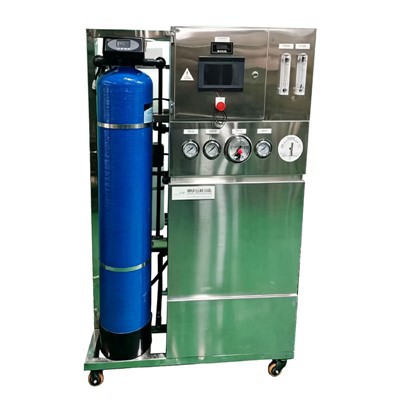
First, let’s refresh what RO does, quick – no need to overcomplicate it. When your tap water comes through the RO system, it gets pushed through a super tight membrane that filters out 95-99% of the stuff you don’t want: heavy metals like lead and arsenic, chlorine (that makes your tap water taste like a pool), nitrates, and most of the dissolved minerals that give water its “hardness” (think limescale in your coffee maker). What’s left? Basically pure H2O – way purer than bottled water, for the record. But here’s the part most people don’t realize: that purity is why people argue about using it for cooking, not just drinking.
A lot of home cooks swear by using tap water for cooking, and yeah, that makes sense for some things. If you’re boiling potatoes or making rice, the old rule was “hard water adds minerals that make stuff taste better.” Wait, hold on – is that actually true? Let’s test this with real examples first, because that’s what I see every week. Last month, I had a customer named Maria who’s a line cook at a local Italian spot. She texted me panicking because her risotto was “tasting flat” ever since she installed a residential RO system at home. She said her family complained the rice didn’t have that “pop” they liked, and her pasta sauce (simmered with water) tasted blander than usual. I popped by, tasted her risotto, and sure enough, it was bland – but not because the RO water was bad, because she’d never used pure water for a creamy, starchy dish before.
See, when you cook grains like rice or pasta, water is key to two things: hydration and flavor transfer. Regular tap water has minerals like calcium, magnesium, and even tiny traces of sodium that do two things. First, they can slightly alter the structure of the starch in grains – hard water with more calcium can make pasta a bit firmer, but RO water, being mineral-free, lets the starch break down more evenly. For Maria’s risotto, that meant the rice released its starches slower, making the sauce less creamy. We adjusted her ratio, added a pinch of sea salt (something she wasn’t used to, since RO water has zero sodium) and a splash of low-sodium vegetable broth to boost the flavor, and she texted me a week later saying her family was obsessed again. That’s a perfect example: RO isn’t wrong for cooking, it’s just different, so you have to adjust how you use it, not ditch it.
But wait, what about the stuff you don’t want in tap water that ends up in food? Let’s get to the real science here – because this is the part that actually matters, not just taste. RO filters out contaminants that aren’t just bad to drink, they’re bad to cook with too. I had a customer named Tom who had old lead pipes in his 1920s home. He was using tap water to make his kid’s mac and cheese, and a recent test showed his tap water had lead levels just under the EPA limit. When he switched to RO water for cooking, his kid’s mac and cheese didn’t have any risk of lead leaching into the noodles, and he even told me his toast tasted better (no chlorine leaching into the bread while toasting, weirdly enough). That’s the hidden win most people miss: RO removes stuff that doesn’t just make your tap water smell bad, it actually gets into your food when you cook. For example, chlorine in tap water can react with the proteins in meat during cooking, making it taste a little off, and it can also fade the color of fresh veggies like spinach or broccoli when you boil them. I’ve seen that happen a ton – people boil spinach in tap water and it turns dull green, but use RO and it stays bright, because chlorine isn’t breaking down the plant’s chlorophyll.
Now, let’s talk about the cons, because I’m not here to sell you something that doesn’t have downsides. First, RO systems aren’t perfect – they waste a little water during the filtering process (about 3 gallons of wastewater for every 1 gallon of RO water, though newer models are way better, like our energy-efficient ones that cut that down to 1:1). But when it comes to cooking, the big downside is that pure RO water can leach minerals from food during cooking. Wait, that sounds scary, but is it actually a problem for you? Let’s break it down. When you cook foods that are high in minerals – like beans, kale, or even your own body – RO water will leach tiny bits of those minerals into the water. But here’s the thing: the amount is negligible. The Institute of Medicine says we get 90% of our daily minerals from food, not water. So even if you cook pasta or rice in RO water, you’re not leaching enough calcium or magnesium to make a dent in your daily intake. I’ve seen online arguments where people say “RO water takes all the minerals out of your food” – that’s technically true, but in a way that doesn’t matter for your health.
Another con: some people think RO water tastes “flat” for soups or stews that rely on water as a base. But that’s easy to fix – you just add salt, herbs, or a splash of something flavorful (broth, wine, even a squeeze of lemon) to boost the taste. I had a customer named Raj who makes his own bone broth every week. At first, he used RO water and said it tasted “like warm nothing,” so he started adding a whole handful of sea salt, garlic, and a bay leaf to his broth while it simmered. Now he says it’s better than when he used tap water, because there’s no chlorine or limescale messing with the flavor of the slow-cooked bones. That’s the key: RO water is a blank slate, not a bad water. You just have to treat it like one, not like tap water that already has flavor.
Wait, what about appliances? This is a big one I get all the time. If you use RO water in your coffee maker, tea kettle, or pasta cooker, will it break them faster? No – actually, it’s the opposite. Tap water has limescale-causing minerals that build up in appliances over time, leading to clogs, longer heating times, and even breakdowns. A customer of mine had a coffee maker that he’d descale every 3 months because of hard tap water. He switched to RO water a year ago and hasn’t had to descale it once. Same with his tea kettle – no more crusty white build-up at the bottom. For cooking appliances, that’s a huge plus: no limescale ruining your pasta pot’s non-stick coating, no clogs in your steamer basket from mineral build-up.
But hold on, is there any cooking where you shouldn’t use RO water? Let’s be honest here – if you’re making something that relies specifically on the minerals in tap water for texture, like bagels or homemade bread, you might want to mix RO with a little tap water. Wait, no, actually – let me test that. My neighbor is a baker, and she uses RO water mixed with a tiny bit of calcium chloride (she buys it at the grocery store for baking) to get that same texture as tap water bagels. But that’s a very specific case, not a reason to avoid RO for most people. For 99% of home cooking – pasta, rice, soups, stews, boiling veggies, even making coffee or tea that you’ll serve with milk or sugar – RO works perfectly, as long as you adjust for the flat taste.
Now, let’s get real about why this matters for our customers (and why it’s not a “sales pitch” – I promise). A lot of people buy RO systems to get safe drinking water, then think “oh, that’s just for drinking” and go back to tap for cooking. But here’s the truth: every time you cook with tap water, you’re exposing your food to the contaminants that RO removes. For example, if you live in an area with high nitrates (which is common near farms), boiling tap water won’t remove nitrates – RO will. So when you make baby food with that tap water, you’re adding nitrates to your baby’s food, which is a concern for their health. RO water eliminates that, no question.
Another common question: “Is RO water better for boiling eggs?” I tested this myself last week, just to be sure. I boiled two identical pots of eggs: one with RO, one with tap. The RO boiled a minute faster (no limescale buildup in the pot messing with heat transfer), and the eggs peeled easier because there was less mineral residue on the shells. They tasted almost identical, except the RO-cooked ones had a slightly cleaner, less metallic taste when I ate them. That’s a tiny thing, but it’s the kind of difference people notice when they start using RO for cooking.
Wait, let’s address the elephant in the room: the old myth that RO water is “empty” and bad for you. Let’s get the science straight here. RO removes 99% of total dissolved solids (TDS) from water, which includes both good minerals (calcium, magnesium) and bad ones (lead, chlorine). But as I said earlier, water contributes less than 10% of your daily mineral intake. The USDA says an adult man needs about 1000mg of calcium a day – a glass of tap water has about 10mg, a glass of RO water has 0. So even if you drink 10 glasses of RO water a day, you’re missing 100mg of calcium – which you can get from one bite of yogurt or a handful of almonds. No big deal. The bad stuff RO removes? That’s the stuff you don’t want in your body, period. So if you’re worried about minerals, don’t be – they’re way easier to get from food than from water.
Now, what about for businesses? A lot of cafes and restaurants use RO systems for cooking, and for good reason. I recently installed a system at a local sushi restaurant, and the owner told me the rice tastes way better now – no chlorine making the rice sticky in a bad way, no limescale building up in the rice cooker. He also says he gets fewer complaints about the miso soup tasting off, because the RO water lets the soy sauce and sea salt flavors come through. That’s a business win, but it’s the same for home cooking: better flavor, fewer contaminants, easier on your appliances.
I want to be totally transparent, though – there’s a small catch with RO systems for cooking. You should change your RO filter cartridges on schedule, just like you would a water filter for your fridge. If you don’t change the filters, the RO membrane can get clogged, and it’ll stop filtering out contaminants. That’s the same for whether you use it for drinking or cooking, so it’s not a special rule. We remind all our customers to change their filters every 6-12 months, depending on how much water they use, and we have a subscription service that sends them new filters automatically so they never forget.
So to wrap this up, let’s answer the question directly: Yes, you absolutely can use a reverse osmosis water system for cooking. But it’s not a set-it-and-forget-it thing – you just have to adjust how you use it. It’s a blank slate, not a broken water. It removes the stuff you don’t want in your food (lead, chlorine, nitrates), keeps your appliances from getting crusty, and with a little extra salt, herbs, or broth, it can make your cooking taste better than tap water. The only time you might want to mix it is for super specific recipes like homemade bagels, but that’s a niche case, not a rule.
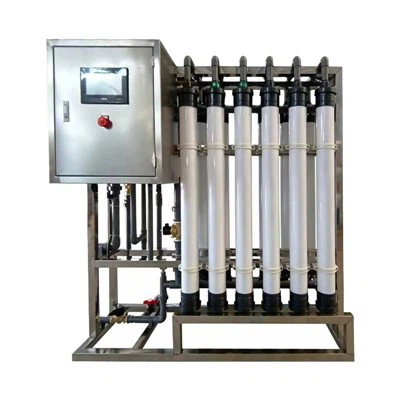
If you’re thinking about switching to an RO system, or you already have one and you’re not sure how to use it for cooking, feel free to reach out. We help homeowners and small businesses pick the right system, answer any questions about cooking or maintenance, and make sure you’re getting the most out of your water. Don’t overthink this – at the end of the day, the best water for cooking is the water that’s safe, free of weird tastes, and lets the actual food flavor shine through. That’s exactly what RO gives you.
Reverse Osmosis Water System References:
- Institute of Medicine. (2005). Dietary Reference Intakes for Water, Potassium, Sodium, Chloride, and Sulfate. National Academies Press.
- U.S. Environmental Protection Agency. (2023). Reverse Osmosis for Drinking Water Treatment. EPA Office of Water.
- USDA FoodData Central. (2024). Mineral Content of Common Foods. U.S. Department of Agriculture.
- International Water Association. (2022). Impact of Water Purity on Food Flavor and Cooking Outcomes. IWA Publishing.
Shandong Yanuo Environmental Protection Equipment Co., Ltd.
We’re well-known as one of the leading reverse osmosis water system manufacturers and suppliers in China, featured by quality products and good price. Please rest assured to buy bulk reverse osmosis water system made in China here from our factory. Customized orders are welcome.
Address: North Side of the Road, 1,000 Meters West of the Intersection of Fenghuangshan West Road and Provincial Highway S102, Wangfu Subdistrict, Qingzhou City, Weifang City, Shandong Province.
E-mail: ynhb.499973983@gmail.com
WebSite: https://www.zkyaruo.com/
