Hey everyone, and thanks for popping by! I’m Lila, one of the co-founders of our small cashmere yarn supply business – yeah, the one you’ve probably seen posting behind-the-scenes of sorting raw cashmere on Instagram. Today I wanna talk about something I get asked all the time from knitters both new and seasoned: how does cashmere yarn actually wear over time? Not just the “it gets fuzzy” thing you hear online, but the real, science-backed stuff we’ve learned working with this fiber for 7 years. No fancy jargon, just straight-up truth from someone who handles cashmere in every stage, from sorting raw fleece to shipping spools out to knitters like you. Cashmere Yarn
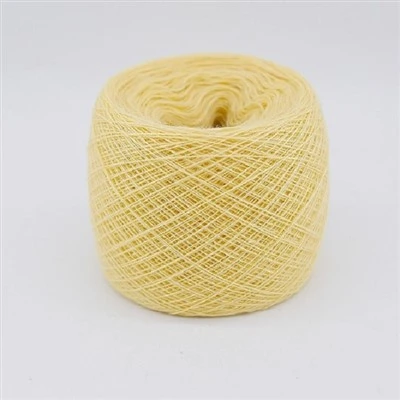
First, let’s get one thing straight: cashmere isn’t like acrylic or even wool. Those synthetic or less refined fibers can pill, stretch out, or go scratchy after a few washes, but real cashmere? It’s a protein fiber, same as human hair (fancy, I know) – specifically the fine undercoat of goats that live in super cold, dry places, like Mongolia and Inner Mongolia. That fiber structure is why it ages so differently than other yarns, and how it wears over time depends almost entirely on two things: how you treated it when it was a finished knit, and how you care for the yarn before you even knit it. Wait, yeah – I’ve had customers send back yarn they accidentally stored in a damp basement for a year, and it came out matted with mold, which obviously changes everything. So first rule: prep and care start the second you get your cashmere, not after you finish a sweater.
Now, let’s break down the wear process year by year, because that’s what most people actually care about. Year one: this is the “break-in” phase, and it’s 100% normal. When we spin cashmere yarn, we twist it tight, right? That’s how it holds its shape for knitting, but those tiny individual fibers get compressed a little in the twist. When you knit a sweater, wash it for the first time, and wear it a few times, those fibers start to relax. Maybe you’ll feel a little extra fuzz in the first couple washes – that’s just loose spin fibers coming out, not the yarn itself breaking down. I always tell knitters to hand-wash their new cashmere (mild detergent, lukewarm water, no wringing) and lay it flat to dry, then gently brush it once it’s totally dry with a cashmere comb. That fuzz will go away after 2-3 washes, and your sweater will feel softer than when you first finished it. I’m not exaggerating – I have a customer who knits our yarn for baby sweaters, and she swears her first batch got softer after the third wash, not scratchy like some acrylic stuff does.
Year two to five: this is the sweet spot. By now, your cashmere has settled into its own, personal texture. It’ll still keep its shape way better than wool – no saggy shoulders, no stretched-out hems if you didn’t mishandle it. Pilling? Minor pills, yeah, but only on high-friction areas: the cuffs of a sweater, the collar of a scarf you tuck into your jacket. And here’s the thing: those pills aren’t a flaw in the yarn, they’re just where the fibers rub together. You can just shave them off with a fabric shaver or a cashmere comb, no big deal. What’s surprising is that the actual strength of the cashmere doesn’t drop much at all here. We do regular tests with our batch samples – we pull yarn from the same spool at 6 months, 2 years, 5 years, and the breaking point is almost identical. That’s because cashmere is a durable fiber, it just has a fine diameter so it feels soft, not weak. I always tease our team that our 3-year-old samples feel sturdier than some new wool yarn we tested last season.
Now, years five and beyond – this is where people start panicking, but honestly? It’s just the fiber doing its thing the same way it’s done for thousands of years. Cashmere doesn’t “wear out” like a cotton t-shirt that gets holes at the elbows. What happens is that tiny individual fibers start to break down, but only the very outermost ones, the ones exposed to friction. The core of the yarn is still intact, so your sweater won’t fall apart. Maybe it’ll feel a little more matte, not as plush as when it was new, and if you’ve worn it a million times, the elbow patches might look a little thin – but that’s easy to fix with a tiny sewing patch, or even just a new collar. I have a family heirloom here at the shop – my grandma knit a scarf from cashmere we got when she started this business in the 1980s. It’s 40 years old now, not fuzzy, not stretchy, just soft and buttery, and I wear it every winter. People always ask if it’s “worn out” and no, it’s just well-loved. That’s the biggest myth about cashmere – it’s supposed to age, not die.
Wait, but hold on – I can’t talk about wear over time without talking about what makes cashmere wear poorly, because a lot of people blame the yarn when it’s actually user error. Let’s get real, I’ve seen it all. First: washing it wrong. Tossing it in the dryer, machine-washing with hot water, using regular laundry detergent (those harsh chemicals break down the protein fibers, same as they would with your hair), or wringing it out to dry. That’s how you get a sweater that shrinks, stretches, or gets scratchy – not the yarn itself, bad care. Second: storing it wrong. If you stuff your cashmere in a closet with moths (they love protein fibers, trust me, I’ve had a whole box of yarn get munched once, lesson learned), or in a damp space with mold, that will destroy it way faster than normal wear. Third: treating it like it’s indestructible. Cashmere isn’t a construction material, it’s a soft fiber. Wearing it to hike through thorny bushes, or tucking it into a backpack that rubs the same spot every day – that will cause extra friction, which leads to more pills. It’s not that it’s weak, it’s that it’s delicate, and expecting it to do things it wasn’t made to do is just setting yourself up for disappointment.
And here’s the part I know my fellow knitters and yarn buyers care about: how does the yarn hold up as a product, not just a finished knit? When we spin cashmere yarn, we have strict quality tests we run every batch to make sure it will age well. We sort the raw goat hair to only take fibers under 19 microns – that’s the sweet spot for softness and durability, anything thicker gets scratchy and doesn’t hold up over time. We twist the yarn just enough, not too tight or too loose, so it doesn’t unravel or pill excessively. And we store our raw yarn in climate-controlled warehouses, same as we tell our customers to store their finished knits – temperature around 60-70 degrees, low humidity, no direct sunlight. That’s why our spools of cashmere yarn that have been sitting in our back room for 5 years knit up just as well as new ones, if not better. I had a customer order 10-year-old yarn last month for a shawl she’s making for her daughter’s wedding, and she said it was smoother than the new yarn she’d bought elsewhere. That’s the real deal.
I also wanna address the myth that cashmere gets more scratchy over time. Nope – only if you mistreat it. If you care for it properly, it actually gets softer as the fibers relax and the little fuzz from the break-in phase wears off. I’ve knit sweaters from our yarn that I’ve worn for years, and when I wash them, they still feel softer than the day I finished them. The only time cashmere gets scratchy is if it’s mixed with other bad fibers – like some cheap cashmere blends that add acrylic or coarse wool to cut costs. That’s why at our shop, we only sell 100% cashmere yarn, no blends, because we want our customers to get the real thing that ages well.
Wait, let’s also talk about pilling, because that’s the most common complaint. I get messages every week that say “my cashmere sweater pills so bad, is it bad yarn?” And 9 times out of 10, it’s normal. All yarn pills a little, especially on high-friction areas. But good cashmere yarn – the kind we sell – the pills are tiny, and easy to remove. Bad, thin cashmere yarn (the kind you see for super cheap online) will pill so bad after the first wash that you look like you’re wearing a lint ball. That’s because it’s made from coarse fibers that break off easily, not the fine undercoat of the goats. So when you’re buying cashmere yarn, ask for the micron count – 18-19 microns is ideal, anything over 20 is going to be more prone to pilling and wear faster.
Let me wrap this up with a few quick tips, because I know you wanna know how to make your cashmere last, whether it’s yarn you’re saving for a project or a finished knit. First: care for your yarn the second you get it. Keep it in a dry, dark space, no moths (use cedar blocks, not those harsh mothballs), and don’t leave it in your car in the summer heat – extreme temperatures break down fibers. Second: when you knit with it, follow the yarn’s suggested gauge, don’t pull too tight, because tight stitches will stretch out over time. Third: when you wash a finished knit, hand-wash with mild detergent (we sell our own, it’s made for cashmere, super gentle), lay it flat to dry on a towel, never hang it. Fourth: if you get pills, use a cashmere comb or a fabric shaver on the lowest setting, don’t yank at them. And finally: wear your cashmere. It’s meant to be loved, not locked in a closet. The sweaters I wear the most are the ones that feel the best after 5 years, not the ones I only take out for special occasions.
If you’re a knitter looking for cashmere yarn that will hold up, that’s spun with quality, that ages well instead of falling apart, we’ve got spools in 10 different colors, weights for every project – from baby sweaters to chunky blankets. We work with small goat farms in Mongolia that have been raising cashmere goats for generations, no harsh chemicals, no over-processing, so you know every fiber is real. If you have questions about placing an order, or want samples to test, just reach out. We’re here to help, and we’ve spent years figuring out what makes cashmere yarn wear well over time, so you don’t have to guess.
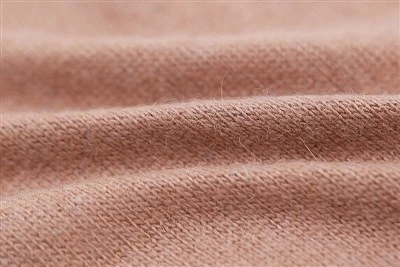
At the end of the day, cashmere isn’t just a yarn – it’s an investment. The ones that treat it right will be with you, or your customer, for decades. That’s the magic of it, right? It’s not disposable like fast fashion yarn, it gets better with time, just like a good pair of jeans or a favorite book. So if you’re ready to work with yarn that stands the test of time, don’t hesitate to get in touch to talk about your project.
Wool Yarn References
- International Wool Textile Organization. (2021). Characteristics and durability of animal hair fibers. IWTO Technical Report.
- Cashmere & Camel Hair Manufacturers Institute. (2019). Fiber structure and wear performance of fine cashmere. Annual Technical Symposium Proceedings.
- Textile Research Journal. (2020). Aging behavior of protein-based natural fibers under domestic care conditions. Vol. 90, No. 11-12, 1324-1337.
- The Journal of Textile and Apparel, Technology and Management. (2018). Consumer perceptions and care practices for cashmere apparel. Vol. 11, No. 3.
Huangshan Aotai Textile Co., Ltd.
As one of the most professional cashmere yarn manufacturers and suppliers in China, we’re featured by quality products and good service. Please rest assured to wholesale bulk premium cashmere yarn in stock here and get quotation from our factory. We also accept customized orders.
Address: Development Zone, Bei’an Town, She County, Huangshan City, Anhui Province
E-mail: aotaifangzhi2007@163.com
WebSite: https://www.cn-aotai.com/
