As the owner and lead technical specialist at a grain conveying equipment supplier, I’ve spent the last 12 years walking alongside farmers, grain elevator managers, and mill operators through every corn harvest, wheat bin fill, and off-season maintenance shutdown—and let me tell you, I’ve seen way too many operations sidelined by a simple, preventable mistake: skipping proper bucket elevator maintenance. Grain Conveying Equipment
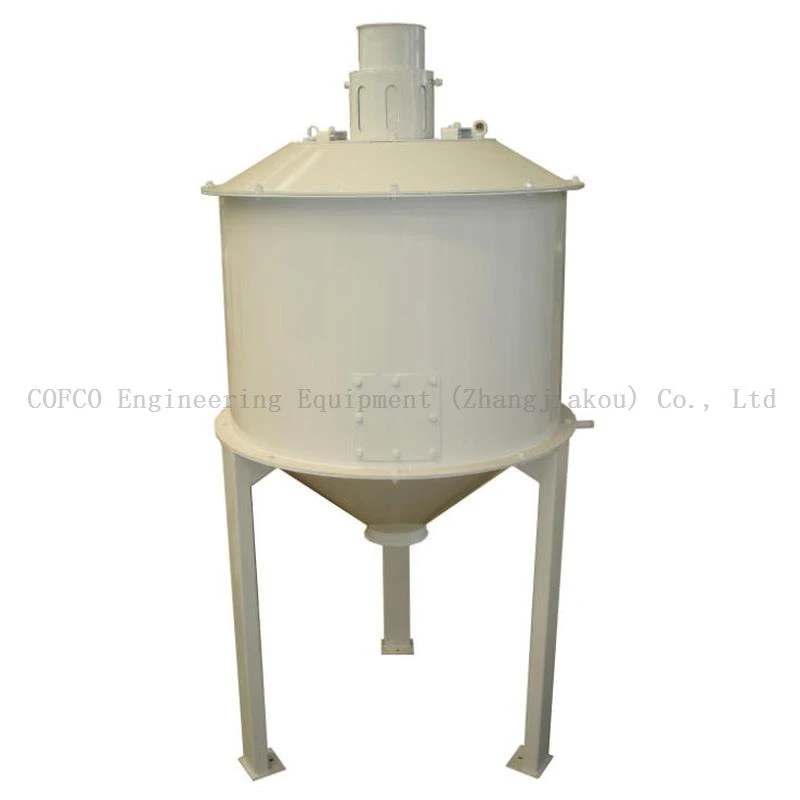
Grain bucket elevators are the workhorses of any grain handling system. They’re the ones hoisting thousands of bushels of grain from the ground floor of a processing plant to upper-level bins, moving material quickly and efficiently without a hitch—until they don’t. One broken chain, a cracked bucket, or a misaligned belt can turn a 24-hour harvest window into a multi-day delay, costing tens of thousands of dollars in lost grain, rushed labor, and missed delivery windows. That’s why, over the years, I’ve honed a maintenance routine that’s tailored specifically to the bucket elevators we supply, designed to catch small issues before they become catastrophic. It’s not just about following a checklist; it’s about understanding how these machines work and what wears them down over time.
First, let’s talk about the most critical component of any bucket elevator: the tension system. Whether you’re working with a chain-driven elevator or a belt-driven one, proper tension is non-negotiable. Too little tension, and you’ll get slippage—for belts, that means lost power and uneven grain flow; for chains, that means slack that leads to misaligned sprockets and eventual jumps or breaks. Too much tension, and you’re putting undue stress on the shaft bearings, the drive gear, and the elevator structure itself, leading to premature wear on parts that shouldn’t fail for decades.
I learned this lesson the hard way early on in my career. A client in central Illinois called me at 2 a.m. during a corn harvest panic, saying their 80-foot belt elevator had snapped its drive shaft. When I arrived at the farm at dawn, I found that the on-site crew had cranked the tension bolts as tight as they could go because they’d noticed slippage the day before. Over-tensioning over 18 hours of nonstop corn flow stretched the belt beyond its limit, pulling the shaft out of alignment and snapping it clean in two. That incident led me to develop our go-to tension check method, which we now share with every client when we install or service their elevators. Here’s how it works: for belt-driven units, shut down the elevator completely, lock it out per OSHA standards, and adjust the tension so that when you press midway between the head and tail pulleys, the belt deflects no more than 1 to 1.5 inches. For chain-driven elevators, the same rule applies, but you’ll adjust the take-up bolts so the chain has that same gentle give. We also recommend checking tension before every harvest or filling season, and doing a mid-season check after the first 24 hours of nonstop operation, when belts and chains have settled into their working length.
Next up: inspecting the buckets and the boot section. The boot is the bottom part of the elevator, where grain is loaded into the buckets before they head up to the discharge spout. It’s a dirty, high-wear zone—grain dust, kernels, and even small rocks get kicked up here, and buckets take a beating as they scoop material from the boot’s bottom. Cracked, bent, or loose buckets are a top cause of spillage, lost grain, and even fires from accumulated grain dust. Last fall, a client in Iowa came to us with a 2% grain loss rate from their bucket elevator. When we crawled into the boot, we found three buckets with 2-inch cracks along their bottom edges, plus two more that were bent so badly they were scraping against the boot wall, spilling grain before they even reached the head pulley. The buckets were only 18 months old, but they’d been fitted with thin-gauge steel that couldn’t stand up to the frequent scooping of small rocks that get mixed in with farm corn. That’s why, during every monthly off-season inspection (and a quick 10-minute check before harvest), we tell operators to crawl into the boot (with proper lockout/tagout, of course) and go bucket by bucket, checking for cracks, bent flanges, and loose bolts. For high-wear areas, like elevators handling coarse grains such as sorghum or grain with high debris content, we recommend switching to thicker, abrasion-resistant buckets—this simple swap cuts bucket replacement time by more than half for most of our clients. We also advise operators to make sure the boot’s cleanout door is properly sealed when the elevator is running; gaps here let in debris that accelerates bucket wear, and also leak grain, adding to that costly loss.
Then there’s the drive system—chains, sprockets, bearings, and the electric motor. This is the heart of the elevator, and ignoring maintenance here is a recipe for a mid-shutdown failure. Chains, in particular, need regular lubrication, but not just any lubrication—we recommend a heavy-duty, food-grade lubricant for all our grain equipment, to avoid contaminating the grain supply. I’ve seen clients use regular motor oil because it’s cheap, but that oil attracts grain dust, which clogs the chain links and causes them to wear prematurely. For chain-driven elevators, we recommend lubricating the chain every 200 hours of operation during harvest season, and every 400 hours during off-season operation. Don’t over-lubricate, though—excess oil will drip onto the grain, leading to spoilage, so wipe away any excess after application. Sprockets are another key part here. Worn sprocket teeth will cause chains to slip or jump, which in turn stretches the chain unevenly and can break a bucket. We recommend checking sprocket teeth for wear every quarter—if the teeth are rounded or have more than 1/8 inch of wear along their face, it’s time to replace them. Waiting too long means you’ll have to replace the entire chain, not just the sprockets, which adds 30% to your parts cost.
Bearings are often overlooked, but they’re responsible for keeping the elevator moving smoothly. Head shaft bearings, tail shaft bearings, and even the small bearings on the take-up bolts need regular grease. For most of our elevators, we recommend greasing the main shaft bearings every 6 months during off-season, and every 3 months during heavy harvest. Again, follow the manufacturer’s guidelines on grease type—using the wrong grease can damage bearings, even if you grease them frequently. Last year, a client in Ohio had to replace three head shaft bearings in a single harvest because they’d used a generic grease that didn’t hold up to the heavy, constant load of their 120-foot elevator. We switched them to our recommended high-temperature, heavy-load grease, and they haven’t had a bearing issue since.
Ventilation and dust management are two often-overlooked maintenance steps that are actually critical for safety and longevity. Grain dust is highly combustible, and accumulated dust in the elevator casing, boot, and head section can cause fires or explosions—something no grain operator wants to deal with. We recommend a weekly cleaning of the elevator’s interior, especially the boot and head section, to remove dust buildup. For larger elevators, we suggest installing a dust collection system, but even a simple weekly vacuum (or a compressed air blast, with proper PPE to avoid dust inhalation) will go a long way. Also, make sure the elevator’s vent ports are not blocked by grain or debris. Blocked vents cause pressure buildup inside the casing, which can warp the casing walls, put extra strain on the belt or chain, and even cause dust to leak out into the processing area.
Finally, the most important part of any maintenance routine: keeping accurate records. I can’t tell you how many clients come to us saying, “My elevator’s been fine for years, so I didn’t need to check anything”—only to have a catastrophic failure. Keeping a log of every inspection, every part replacement, every tension adjustment, and every hour of operation lets you spot trends before they become problems. For example, if you notice that your chain is stretching 1/4 inch every harvest season, that’s a sign that the chain or sprockets are wearing prematurely, not just normal operation. Records also help you plan for part replacements ahead of time—you don’t want to order a new bucket right in the middle of harvest, when lead times are longer and parts are more expensive.
I’ve worked with all sizes of grain operations, from small family farms with one 50-foot elevator to large commercial facilities with a dozen 150-foot units. The one thing all successful operations have in common is that they don’t treat maintenance like an afterthought. They do the weekly checks, the monthly lubrication, the quarterly inspections, and they don’t skip the steps even when they’re busy during harvest.
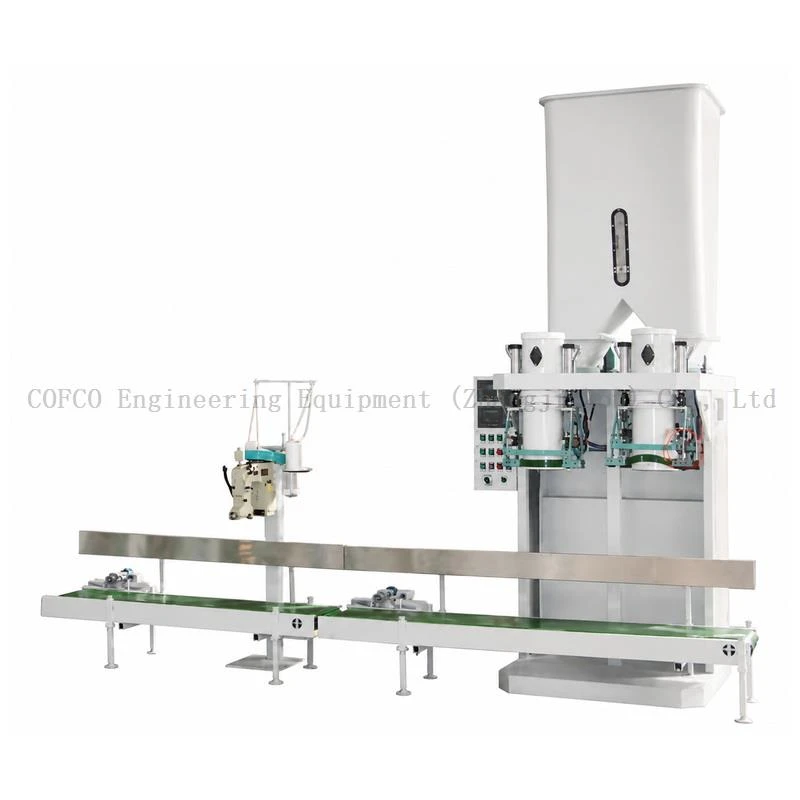
If you’re looking for a reliable grain bucket elevator, or if you need help developing a maintenance routine for the equipment you already have, our team is here to help. We supply heavy-duty, long-lasting grain conveying equipment designed to stand up to the toughest conditions, and we work with every client to create a custom maintenance plan that fits their operation’s needs. Whether you’re a small farm or a large processing plant, we can help you keep your elevators running smoothly, year after year. Reach out to our team to learn more about our equipment and maintenance support.
Plansifter References:
- American Society of Agricultural and Biological Engineers (ASABE). 2021. Standard S535: Grain Handling Equipment—Bucket Elevators.
- National Grain and Feed Association (NGFA). 2022. Grain Elevator Maintenance Best Practices.
- Occupational Safety and Health Administration (OSHA). 2020. Grain Handling Facilities Safety Standards (29 CFR 1910.272).
- University Extension Services, Iowa State University. 2023. Bucket Elevator Maintenance for Grain Operations.
COFCO Engineering Equipment (Zhangjiakou) Co., Ltd.
As one of the most professional grain conveying equipment manufacturers and suppliers in China, we also support customized service. Please feel free to wholesale advanced grain conveying equipment for sale here from our factory. Quality products and reasonable price are available.
Address: No.4 ZhongLiang Street, high-tech industrial development zone, Zhangjiakou, Hebei, PRC
E-mail: mayihui@cofco.com
WebSite: https://www.ceeflourmill.com/
