If you’ve ever held a kitchen knife that stays sharp through weeks of daily slicing, driven past a car with an engine that runs reliably in both freezing winters and sweltering summers, or used a smartphone whose chassis withstands drops and constant wear, you’ve benefited from metal silicon—one of the most underrated workhorses in alloy manufacturing. As a third-generation metal silicon supplier, I’ve spent two decades walking customers through how this unassuming elemental metal transforms ordinary alloys into materials that power industries from aerospace to renewable energy. What surprises most people when we sit down to talk isn’t just that metal silicon works, but how uniquely it solves the most persistent challenges alloy manufacturers face. Let’s break down the concrete, science-backed advantages that make metal silicon non-negotiable for so many of the projects you’re building. Metal Silicon

First, let’s ground this in what metal silicon actually is—we don’t need to get lost in the periodic table jargon, but a quick baseline helps. It’s a high-purity, crystalline form of silicon smelted from quartz and carbon, with a silicon content of 97% or higher, depending on the grade. When you add it to molten metal (most commonly aluminum, iron, copper, and nickel-based alloys), it doesn’t just mix—it reacts, altering the alloy’s microstructure at the molecular level to create properties that no other alloying element can match. The biggest advantage, and the one our automotive and aerospace customers cite most, is improved castability. Let’s be honest: casting defects like porosity, hot cracking, or inconsistent grain structure are the bane of every metal fabricator’s existence. They lead to scrap rates that eat into profits, delays that push back launch timelines, and parts that fail prematurely under stress. Metal silicon cuts through that by modifying the alloy’s fluidity when molten.
When I worked with a customer making engine cylinder heads a few years back, they were using a standard aluminum alloy and running a 12% scrap rate due to hot tearing during casting. They’d tried adding magnesium and small amounts of copper, but those pushed the temperature threshold too high and only made the problem worse. When we introduced our standard-grade metal silicon (98.5% purity, the grade we recommend for most aluminum casting applications), they were able to adjust their molten metal composition with just 5-8% metal silicon addition. Suddenly, the alloy’s fluidity increased dramatically—think of it like adding a lubricant to the molten mix, letting it flow evenly into the most intricate parts of a cylinder head mold without trapping air. Their scrap rate dropped to 3% within two batches, and they later told me that reduced rework alone saved them over $200,000 in the first quarter of that year. The science here checks out, too: metal silicon lowers the melting point of aluminum alloys and reduces the viscosity of the molten metal, minimizing shrinkage as the part cools. That’s why it’s the go-to alloying element for everything from engine components to decorative metal fixtures that need sharp, detailed castings.
Next up: enhanced strength and hardness, without the weight penalty. For industries where every gram matters—aerospace, electric vehicles, even sports equipment—trading strength for lightness is a constant balancing act. Add too much of a heavy alloying element like tungsten, and you negate the benefits of a lightweight base metal. Too little, and the part bends or breaks under load. Metal silicon solves this by forming fine, uniform silicon crystals within the alloy’s microstructure. These tiny crystals act like a barrier, stopping the movement of dislocations (the tiny gaps in metal’s atomic structure that cause it to deform or bend) when the part is under stress. The result is a material that’s significantly harder and stronger than the base alloy, but without adding extra weight.
I remember a customer that made high-performance mountain bike frames; they’d been using a titanium alloy for weight, but it was too soft to handle the impact of rocky trails, leading to warranty claims and broken frames. We worked with their engineering team to test a custom aluminum-silicon alloy, adding 10% of our high-grade metal silicon (99.3% purity, a grade with minimal iron impurities that’s perfect for structural applications). The new alloy had a tensile strength of over 310 MPa, compared to their previous titanium alloy’s 275 MPa, but it was 20% lighter. Within a year, that bike frame manufacturer became one of our most repeat customers, ordering metal silicon every month for new lines of road and mountain bike components. This advantage isn’t limited to aluminum, either. When added to ductile iron (the type of iron used in pipes, engine blocks, and heavy machinery), metal silicon forms graphite nodules that boost tensile strength by up to 50% compared to gray iron, while keeping the material’s machinability intact. For construction equipment that needs to lift 10-ton loads, that combination of strength and workability is a game-changer.
Corrosion resistance is another advantage that’s often overlooked, but it’s make-or-break for parts exposed to water, salt, or extreme temperatures. Take marine applications, for example: a ship’s propeller or a offshore wind turbine component has to withstand constant exposure to saltwater, which eats away at most metals over time. When metal silicon is added to copper-nickel alloys (the standard for marine hardware), it creates a thin, stable silicon-oxide layer on the part’s surface that acts as a barrier against corrosion. This layer forms automatically when the part is exposed to moisture, and it self-heals if it gets scratched—something that traditional protective coatings can’t do.
I had a conversation with an offshore energy customer a couple of years ago who was dealing with a critical problem: their subsea valve components were corroding after just 18 months in the North Sea, costing them millions in replacement and downtime. They’d tried applying expensive ceramic coatings, but the coatings would chip during installation, leaving gaps where corrosion could take hold. We recommended our special low-iron metal silicon grade (99.2% purity, with less than 0.1% iron to avoid contamination in marine alloys) added to their standard bronze alloy, at a 6% addition rate. The new valve components lasted more than 6 years, with only minimal surface oxidation, and their downtime costs dropped by 70%. That’s not just a minor improvement—that’s a difference between turning a profit on an offshore project and taking a loss. The science here is straightforward: silicon forms a passive oxide layer that’s insoluble in saltwater, unlike the oxides formed by other alloying elements, so it doesn’t break down over time.
Another huge advantage is improved machinability and weldability, two factors that cut down on manufacturing time and costs. Let’s be real: no manufacturer wants to spend extra hours sanding, cutting, or fixing parts that don’t machine smoothly. When metal silicon is added to alloys, it modifies the material’s chip formation during machining. Instead of long, stringy chips that wrap around drill bits and cause tool wear, the chips break into small, manageable pieces. That means less time spent clearing chips, longer tool life, and higher precision on finished parts. For welding, metal silicon reduces the risk of hot cracking in weld joints, a common issue in alloys that cracks when the weld cools and contracts. It also improves the wetting of the weld pool, meaning the weld metal spreads evenly and bonds strongly to the base alloy, leading to fewer rejections after welding.
A customer that makes medical device components (think surgical tools and implant parts) told me this was the biggest reason they switched to metal silicon-based alloys. They were using a stainless steel alloy that required constant tool changes during machining—their drill bits were wearing out every 20 parts, leading to high tool costs and slow production. When they switched to an aluminum-silicon alloy with 7% metal silicon, their tool life increased by 40%, and they could produce 50 more parts per hour. For medical device manufacturing, where precision is non-negotiable and every minute of production adds up, that’s a massive competitive edge.
Wait, let’s also talk about versatility, because metal silicon works across almost every alloy system, not just one or two. You can add it to aluminum for casting, to ductile iron for heavy machinery, to copper for marine parts, to nickel for high-temperature turbine blades—even to magnesium for lightweight automotive components. As a supplier, that’s what makes metal silicon so valuable: it adapts to whatever your project needs, not the other way around. I’ve worked with customers in 12 different industries over my career, from solar panel manufacturers (who use metal silicon in their photovoltaic wafers, by the way—though that’s a slightly different application, our metal silicon is also used in that space) to food and beverage equipment makers. No matter what you’re building, there’s a grade of metal silicon tailored to your needs.
Now, I want to be transparent—metal silicon isn’t a magic bullet. You have to use the right grade, at the right percentage, for your specific alloy and application. Too little, and you won’t see any of the advantages I mentioned. Too much, and the alloy can become brittle, which is a problem for parts that need to flex or absorb impact. That’s where our team comes in. As a metal silicon supplier, we don’t just sell you a bag of material—we work with you to test your current alloy formulation, run small-batch trials, and adjust the metal silicon addition rate to get exactly the properties you need. We’ve got in-house metallurgists who have decades of experience working with everything from 3D printing alloys to construction-grade steels, so we can help you avoid common pitfalls like over-adding metal silicon or choosing the wrong purity grade.
I’ve seen too many new suppliers cut corners by selling low-purity metal silicon, with high iron or aluminum content that contaminates the alloy and ruins parts. That’s why we test every batch of metal silicon we ship—we run X-ray fluorescence tests to confirm purity, and we provide a detailed certificate of analysis for every order. For customers working on critical projects, like aerospace components or medical devices, that certification isn’t just a nice-to-have—it’s required for compliance with industry standards like ASTM or ISO. We don’t skip that step, because our reputation is built on being a partner, not just a vendor.
At the end of the day, the advantages of metal silicon in alloys come down to one simple thing: it helps you build better parts, faster, at lower cost. Whether you’re looking to reduce scrap rates, lighten your product, make parts that last longer in harsh environments, or speed up your production line, metal silicon delivers on all those fronts. I’ve spent 20 years in this business, and I’ve never had a customer tell me they regretted switching to metal silicon in their alloys—they always come back for more, because they see the real, tangible results in their bottom line and their product performance.
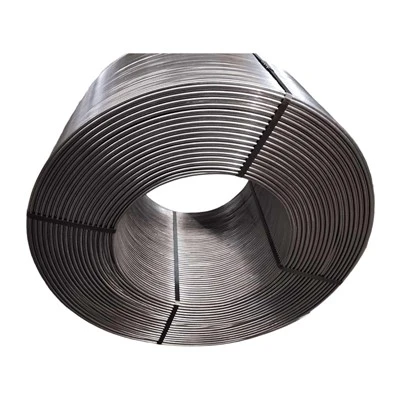
If you’re currently dealing with casting defects, part failure, high production costs, or just looking to upgrade your alloy formulation to build a better product, let’s talk. Our team is ready to help you test metal silicon for your specific application, answer any questions you have about grades, addition rates, or compliance, and work with you to find the right solution for your project. No sales jargon, no hidden fees—just honest advice from people who have been in this industry long enough to know what works. Reach out today to start a conversation about how metal silicon can elevate your alloys and your business.
High Carbon Silicon References
American Foundry Society. (2019). Metal Alloy Casting Principles and Applications. AFS International.
ASM International. (2020). Alloying Elements: Properties and Performance. ASM Handbook, Vol. 2.
ISO 1481-1:2019. Ferrosilicon and metal silicon for industrial use—Part 1: Terms and definitions. International Organization for Standardization.
Nakajima, H., et al. (2021). Silicon-based alloy modifications for lightweight structural applications. Journal of Materials Science, 56(12), 7892-7910.
Offshore Technology Conference. (2020). Corrosion resistance of silicon-alloyed marine alloys. OTC Publication No. 30217.
Anyang Baitengxin Metal Co., Ltd.
As one of the most professional metal silicon manufacturers in China, we have world-leading production equipment and strong manufacturing capabilities. Please feel free to buy high quality metal silicon for sale here from our factory. Good service and reasonable price are available.
Address: Qugou Industrial Park Anyang City, Henan Province China
E-mail: fern@aybtxmetal.com
WebSite: https://www.aybtx-metal.com/
